
Contents
Overview
The origins of Indonesian arts are as ancient and varied as the archipelago itself, stretching back millennia. The arrival of Hinduism and Buddhism from India, beginning around the 4th century CE, profoundly influenced visual arts, architecture, and performance, evident in monumental structures like Borobudur and Prambanan. Subsequent Islamic influences, arriving from the 13th century onwards, introduced new motifs in calligraphy, architecture, and textiles, often blending with existing indigenous styles. Colonial periods under the Dutch and Japanese also left their mark, introducing new materials, techniques, and artistic dialogues, though often within a framework of exploitation or assimilation. The struggle for independence in the mid-20th century further galvanized artistic expression, with many artists using their work to promote national identity and critique colonial legacies. This long history of cultural synthesis and adaptation has resulted in a uniquely layered artistic heritage.
⚙️ Forms & Expressions
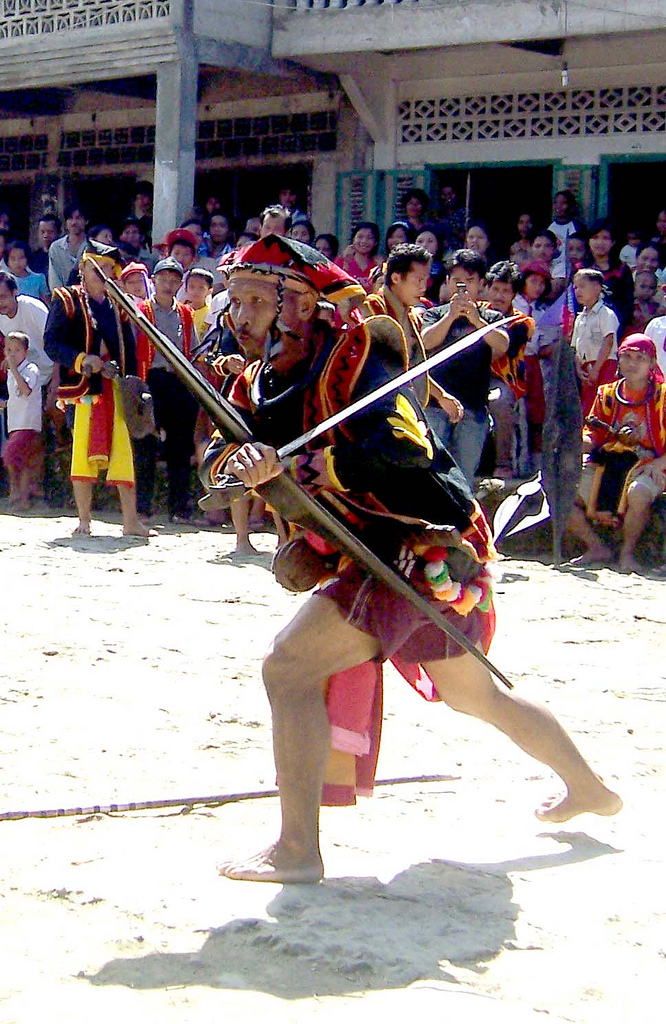
Indonesian arts encompass an astonishing array of forms. Visual arts include intricate batik textiles, renowned for their complex patterns and dyeing techniques, particularly from Yogyakarta and Solo; detailed wood carvings from Bali and Jepara; vibrant Papua body painting and bark cloth art; and the iconic wayang kulit (shadow puppetry) of Java and Bali, which integrates storytelling, music, and intricate puppet craftsmanship. Performing arts are equally diverse, featuring the hypnotic rhythms of gamelan orchestras, found in various regional ensembles like Javanese and Balinese gamelan; the dramatic Kecak dance of Bali; the graceful Saman dance of Aceh; and the martial art of pencak silat, which is as much a performance art as a combat discipline. Literature, too, has a rich tradition, from ancient Old Javanese epics to contemporary novels and poetry that grapple with modern Indonesian life.
📊 Key Facts & Numbers
The sheer scale of Indonesian arts is difficult to quantify, but certain figures offer a glimpse. Indonesia is home to an estimated 300 distinct ethnic groups, each with its own artistic traditions, meaning hundreds of unique art forms exist. The batik industry alone employs millions of people across the archipelago, with annual exports reaching hundreds of millions of dollars. Wayang kulit performances, while facing modern challenges, are still a significant cultural draw, with thousands of performances occurring annually, particularly during festivals. The gamelan ensemble, a cornerstone of Indonesian music, comprises dozens of instruments, and there are thousands of such ensembles operating both within Indonesia and internationally. The tourism sector, heavily reliant on cultural attractions, generated billions of dollars in revenue for Indonesia in pre-pandemic years, with arts and cultural heritage being a major draw. The number of art galleries and museums across Indonesia has steadily increased, with over 100 major institutions dedicated to preserving and exhibiting Indonesian art.
👥 Key Figures & Institutions
Key figures and institutions have been instrumental in shaping and preserving Indonesian arts. Artists like Raden Saleh (1814-1880), often considered the father of modern Indonesian painting, pioneered Romanticism and Realism. In the performing arts, figures such as Suryakanta (a pseudonym for a prominent Javanese dancer) and I Wayan Limbak were crucial in popularizing Kecak dance internationally. Institutions like the Institut Seni Indonesia (ISI) in Yogyakarta and Surakarta are vital centers for artistic education and research. The National Museum of Indonesia in Jakarta houses an extensive collection of Indonesian artifacts and art. Contemporary artists such as Agus Suwage and Melati Suryodarmo are pushing boundaries in painting, sculpture, and performance art, gaining international recognition. The Biennale Jogja has become a significant platform for contemporary Indonesian art.
🌍 Cultural Impact & Influence
Indonesian arts have exerted a profound influence both domestically and internationally. Domestically, traditional arts like batik and gamelan are integral to national identity, taught in schools and performed at official ceremonies, fostering a sense of unity across diverse ethnic groups. The influence of wayang kulit extends beyond performance, shaping language, philosophy, and moral teachings. Internationally, Indonesian artistic forms have inspired artists and designers worldwide. Batik patterns have been adopted by global fashion houses, and gamelan music has influenced Western composers like Claude Debussy and John Cage. The pencak silat martial art has gained a global following, with federations established in numerous countries. Moreover, Indonesian contemporary art is increasingly visible on the global stage, participating in major international biennials and exhibitions, challenging Western-centric art narratives.
⚡ Current State & Latest Developments
The current state of Indonesian arts is dynamic and multifaceted. While traditional forms like batik and gamelan continue to be practiced and cherished, there's a burgeoning scene of contemporary artists exploring new media and themes. Digital art, installation art, and performance art are gaining traction, particularly in urban centers like Jakarta and Bandung. The COVID-19 pandemic significantly impacted the performing arts and tourism-dependent sectors, leading to increased reliance on online platforms for exhibitions and performances, as seen with initiatives like the Art Jakarta Virtual fair. There's a growing emphasis on interdisciplinary collaborations, with artists blending visual arts, music, dance, and technology. Government initiatives and private foundations are increasingly supporting emerging artists and cultural preservation efforts, though funding remains a perennial challenge. The rise of social media has also provided new avenues for artists to showcase their work and connect with audiences globally.
🤔 Controversies & Debates
Controversies surrounding Indonesian arts often stem from issues of cultural appropriation, authenticity, and the impact of globalization. The commodification of traditional art forms, such as batik, sometimes leads to debates about whether mass production dilutes its cultural significance or if external adoption by global brands constitutes appropriation. The definition of 'authentic' Indonesian art is also a recurring point of discussion, particularly when traditional forms are blended with modern or foreign influences. Furthermore, the preservation of intangible cultural heritage, like oral traditions and specific dance forms, faces challenges from modernization and the decline of traditional knowledge transmission. There are also debates about the role of government funding and censorship in the arts, with some artists advocating for greater creative freedom and others emphasizing the need for art to uphold national values or religious sensitivities. The representation of minority cultures within the broader narrative of Indonesian arts also sparks discussion.
🔮 Future Outlook & Predictions
The future outlook for Indonesian arts appears robust, driven by a young, digitally-savvy population and a growing global appreciation for diverse cultural expressions. We can anticipate a continued surge in contemporary art, with artists increasingly using their platforms to address social justice, environmental concerns, and identity politics. The integration of traditional and modern elements is likely to continue, creating new hybrid forms. Furthermore, increased global connectivity and platforms for showcasing work suggest a growing international presence for Indonesian artists. The preservation of traditional arts will likely remain a focus, potentially through innovative educational programs and digital archiving. The economic impact of the arts sector is also expected to grow, contributing to cultural tourism and exports.
💡 Practical Applications
While Indonesian arts are primarily appreciated for their aesthetic and cultural value, they also have practical applications. Traditional crafts like batik and ikat weaving continue to be important sources of income for many communities, supporting local economies. The intricate designs and techniques found in Indonesian art have inspired product design, fashion, and even architectural elements. The storytelling and philosophical underpinnings of forms like wayang kulit offer insights into ethical frameworks and social commentary, which can be relevant in fields like education and community development. Furthermore, the performing arts, including gamelan music and various dance forms, are often integrated into tourism, cultural festivals, and educational programs, serving as both entertainment and a means of cultural transmission. The discipline and philosophy embedded in martial arts like pencak silat have applications in personal development and physical education.
Key Facts
- Category
- culture
- Type
- topic