
Contents
Overview
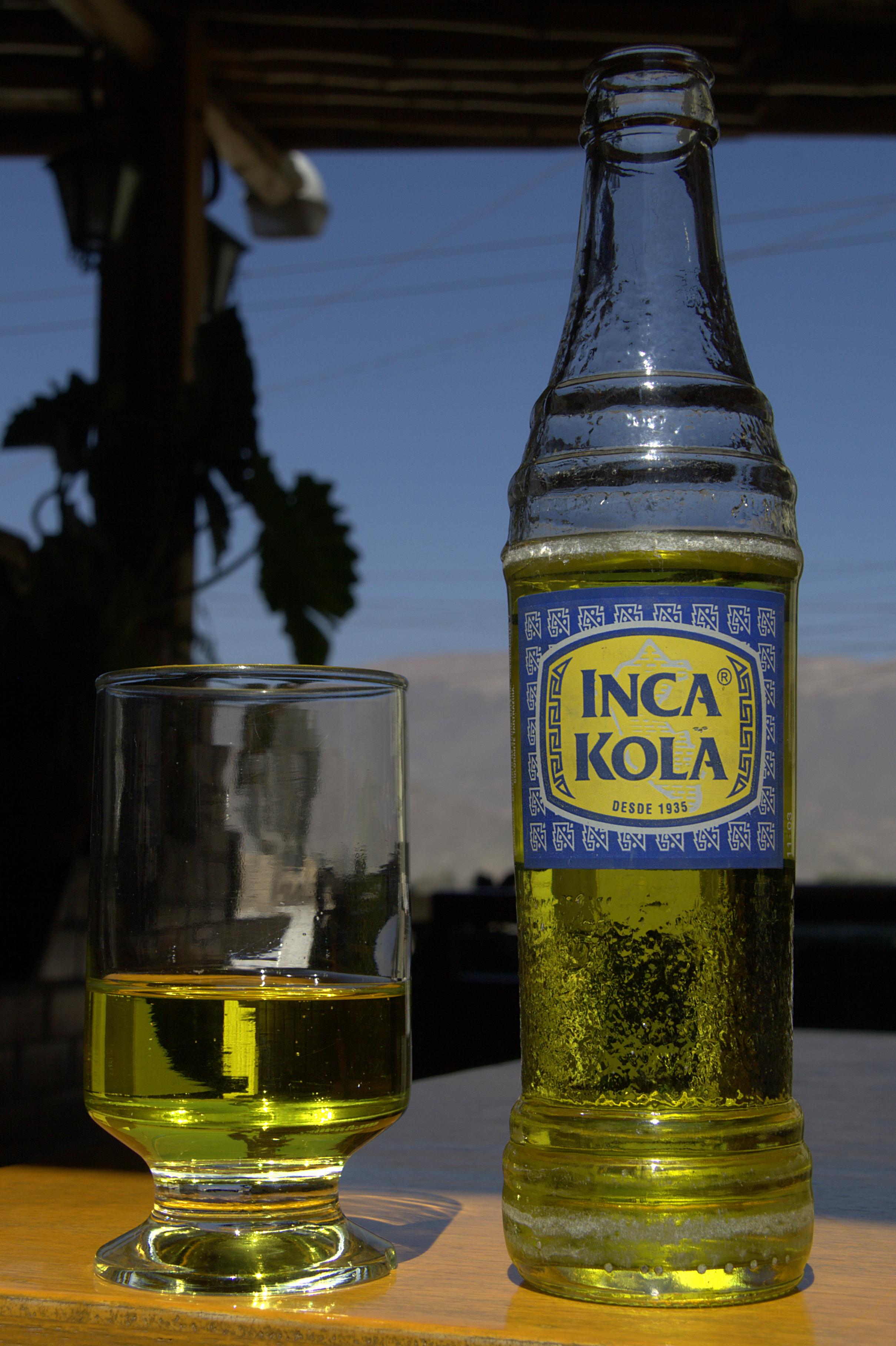
The story of Inca Kola begins not in the ancient Andes, but in Lima, Peru. Joseph Robinson Lindley, who arrived in Peru, founded the Corporación Lindley S.A. and, after years of experimentation, launched his golden-hued soda. Lindley's vision was to create a drink that captured the spirit and flavor of Peru, utilizing local ingredients and appealing to the nation's palate. Initially marketed as a patriotic beverage, its distinctive sweet and aromatic profile, often attributed to the inclusion of lemon verbena (hierbaluisa), quickly resonated with Peruvians. The brand's early success was built on a foundation of national pride and a unique taste that set it apart from imported colas, laying the groundwork for its eventual cultural dominance within Peru.
⚙️ How It Works
Inca Kola's 'magic' lies in its carefully guarded formula, which centers on a proprietary blend of sweeteners and flavorings. While the exact composition remains a closely held secret by Corporación Lindley S.A., the dominant flavor note is widely recognized as lemon verbena, a fragrant herb native to South America. This botanical essence, combined with a high sugar content, creates its signature sweet, slightly floral, and effervescent character. Unlike traditional colas that rely on cola nut or citrus extracts, Inca Kola's flavor profile is distinctly fruity and aromatic, leading many international consumers to compare it to bubblegum or cream soda. The carbonation process is standard for soft drinks, delivering a crisp mouthfeel that complements its syrupy sweetness, making it a refreshing, albeit polarizing, beverage experience.
📊 Key Facts & Numbers
Inca Kola's market penetration in Peru is significant, holding a substantial market share in the Peruvian soft drink industry as of recent reports. This figure dwarfs the market share of many international competitors within the country. Globally, Inca Kola is distributed in numerous countries, with significant presence in the United States, Canada, and parts of Europe, reaching millions of consumers outside Peru. The joint venture between The Coca-Cola Company and the Lindley family, established in 1999, reflects the brand's substantial economic footprint.
👥 Key People & Organizations
The Lindley family, particularly Joseph Robinson Lindley, is central to Inca Kola's genesis. His entrepreneurial spirit and dedication to creating a distinctly Peruvian product were the driving forces behind its inception. Following Lindley's legacy, his descendants have continued to manage Corporación Lindley S.A. The Coca-Cola Company, a global beverage giant, became a pivotal partner in 1999, acquiring a significant stake in the Peruvian operations and taking over international distribution rights. This strategic alliance, brokered by Coca-Cola executives and the Lindley family representatives, aimed to leverage Coca-Cola's global network while preserving Inca Kola's unique identity within Peru. Other key entities include Corporación Inca Kola Perú S.A., the Peruvian operating company, and various bottlers and distributors worldwide.
🌍 Cultural Impact & Influence
Inca Kola is more than just a soft drink in Peru; it's a cultural phenomenon and a potent symbol of national identity. Its golden hue and unique flavor evoke a sense of belonging and pride for many Peruvians, often consumed during family gatherings, celebrations, and everyday meals. The brand's marketing campaigns frequently tap into Peruvian heritage, folklore, and landscapes, reinforcing its connection to the country. This deep cultural resonance has allowed Inca Kola to maintain its strong position against global giants like Coca-Cola and Pepsi within Peru. Its influence extends to Peruvian cuisine, where it's often paired with traditional dishes, solidifying its place as an integral part of the national culinary experience.
⚡ Current State & Latest Developments
As of 2024, Inca Kola continues to be a significant player in the Peruvian beverage market, consistently holding its strong market share. The Coca-Cola Company, through its joint venture, actively promotes Inca Kola in international markets, particularly in areas with large Peruvian diaspora populations, such as the United States and Spain. Recent marketing efforts have focused on highlighting the drink's unique flavor and its Peruvian heritage, aiming to attract new consumers beyond the expatriate community. While no major product line extensions have been announced recently, the brand remains a stable and profitable asset for both Corporación Lindley S.A. and The Coca-Cola Company, with ongoing efforts to maintain its distinct brand identity amidst a competitive global beverage landscape.
🤔 Controversies & Debates
The primary controversy surrounding Inca Kola revolves around its ownership and branding, particularly the complex relationship with The Coca-Cola Company. While Coca-Cola is involved in the international rights and a substantial stake in the Peruvian operations, many Peruvians express a fierce protectiveness over their national drink, fearing dilution of its identity or eventual complete absorption by the global conglomerate. This sentiment is amplified by the fact that Coca-Cola itself is marketed and sold alongside Inca Kola in Peru, creating a unique dynamic where the global giant coexists with, and profits from, a beloved local brand. Debates also occasionally surface regarding the precise flavor profile and its comparison to other beverages, with some finding its sweetness overpowering and others championing its distinctiveness.
🔮 Future Outlook & Predictions
The future of Inca Kola appears robust, particularly within Peru, where its cultural entrenchment provides a strong defense against market fluctuations. For international expansion, the challenge lies in educating new consumers about its unique flavor profile and differentiating it from the myriad of other soft drinks available. The Coca-Cola Company's global distribution network offers significant potential for growth, but success will hinge on maintaining the brand's authentic Peruvian identity. Future developments might include more targeted marketing campaigns in key diaspora communities, potential limited-edition flavor variations, or increased integration into global food and beverage trends that emphasize unique, heritage-driven products. The brand's ability to balance its local roots with global ambitions will be key to its continued success.
💡 Practical Applications
Inca Kola's primary application is as a refreshing beverage, but its unique flavor profile lends itself to culinary experimentation. It's frequently used as a marinade for meats, particularly pork and chicken, where its sweetness and acidity help tenderize and caramelize the meat during cooking. Chefs have incorporated it into desserts, such as cakes and ice creams, leveraging its distinctive fruity notes. Beyond the kitchen, Inca Kola serves as a powerful marketing tool for Peruvian culture abroad, acting as a tangible connection to home for expatriates and an intriguing taste of Peru for international consumers. Its iconic status also makes it a popular collectible item for soda enthusiasts and a subject of interest for those studying global branding and cultural identity.
Key Facts
- Category
- culture
- Type
- product