
Contents
Overview
Human Immunodeficiency Virus (HIV) has been a major global health issue since its identification in the early 1980s. The virus attacks the body's immune system, specifically the CD4 cells, which help the immune system fight off infections. If left untreated, HIV can lead to Acquired Immunodeficiency Syndrome (AIDS), a condition where the immune system is severely weakened, making it more susceptible to other diseases and infections. According to the World Health Organization (WHO), there were approximately 38 million people living with HIV worldwide in 2021, with 1.5 million new infections and 650,000 AIDS-related deaths. The development of antiretroviral therapy (ART) has significantly improved the quality of life for people living with HIV, but a cure remains elusive. Researchers continue to explore new treatments, including gene editing technologies like CRISPR, which may hold promise for a future cure. The fight against HIV is also marked by controversy, with debates over access to treatment, prevention strategies, and the role of pharmaceutical companies in the development and distribution of medications.
🌎 Introduction to HIV
HIV, or Human Immunodeficiency Virus, is a complex and multifaceted health issue that has been at the forefront of medical research and public health efforts for decades. According to the HIV Research community, HIV is a type of Lentivirus that infects humans and can lead to AIDS (Acquired Immunodeficiency Syndrome) if left untreated. The World Health Organization estimates that there are over 38 million people living with HIV worldwide, with many more at risk of infection. To understand the history and ongoing battle against HIV, it's essential to explore the History of HIV and its impact on global health.
🔬 What is HIV?
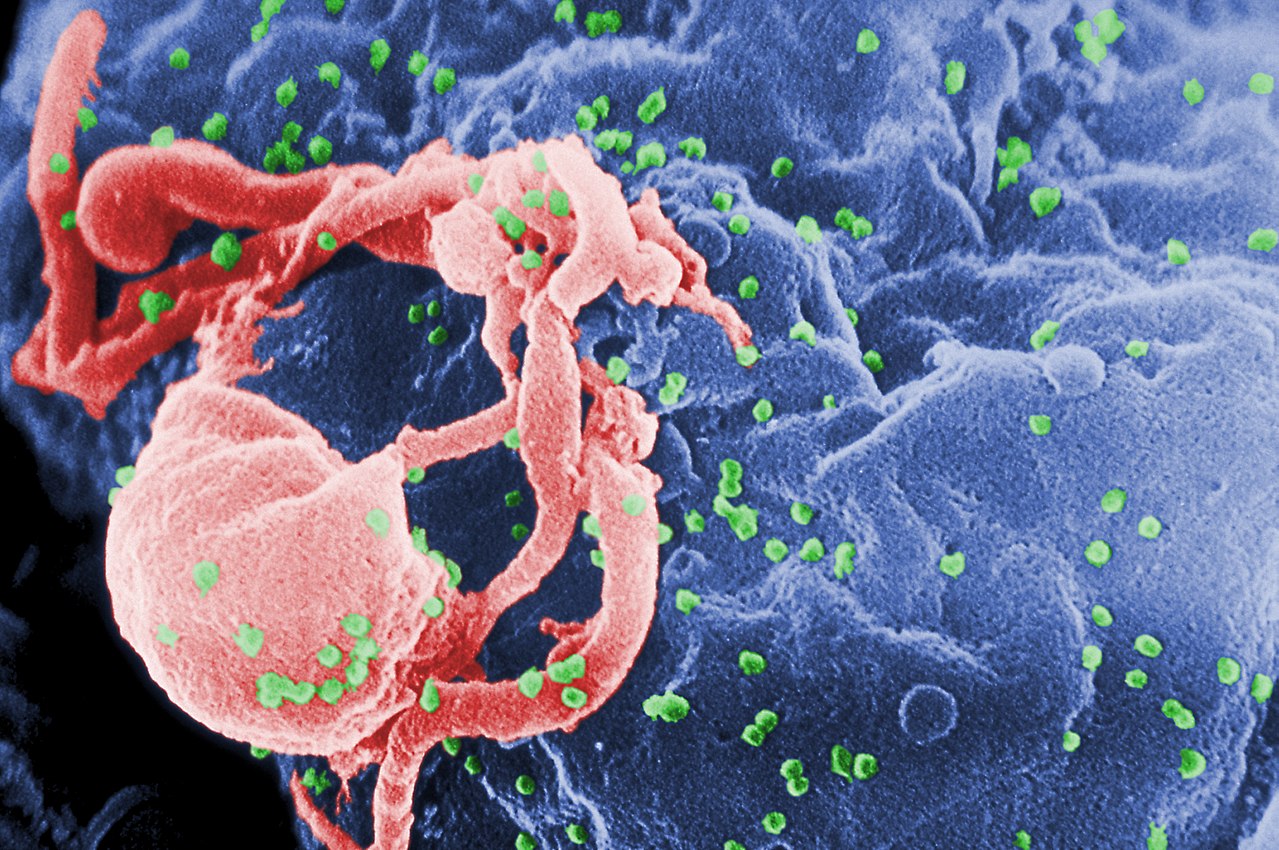
HIV is a type of virus that attacks the body's immune system, specifically targeting CD4 cells (also known as T cells). Over time, this can lead to a weakened immune system, making it harder for the body to fight off infections and diseases. The Centers for Disease Control and Prevention (CDC) reports that there are two main types of HIV: HIV-1 and HIV-2, with HIV-1 being the more virulent and prevalent form. Understanding the Biology of HIV is crucial for developing effective treatments and prevention strategies.
📊 HIV Statistics
The statistics surrounding HIV are staggering. According to the UNAIDS organization, there were over 1.5 million new HIV infections in 2020 alone, with many of these cases occurring in Sub-Saharan Africa. The World Health Organization estimates that without treatment, the average survival time after infection with HIV is around 9-11 years, depending on the HIV subtype. However, with proper treatment and care, people living with HIV can lead long and healthy lives, as highlighted by the HIV Survival Rates studies.
🏥 Treatment and Management
Treatment and management of HIV typically involve a combination of Antiretroviral Therapy (ART) medications, which work to suppress the virus and prevent it from progressing to AIDS. The National Institutes of Health (NIH) recommends that people living with HIV start ART as soon as possible after diagnosis, as this can significantly improve health outcomes. In addition to ART, other treatments and therapies, such as HIV Vaccines and Gene Therapy, are being researched and developed to further combat the disease.
💊 Medications and Therapies
There are several medications and therapies available to treat and manage HIV, including Nucleoside Analogues and Protease Inhibitors. The Food and Drug Administration (FDA) has approved several ART regimens, which typically involve a combination of two or more medications. Additionally, HIV Prevention strategies, such as Pre-Exposure Prophylaxis (PrEP) and Post-Exposure Prophylaxis (PEP), can help reduce the risk of HIV transmission.
🌈 Prevention and Education
Prevention and education are critical components of the ongoing battle against HIV. The Centers for Disease Control and Prevention (CDC) recommends that individuals practice Safe Sex and use Condoms to reduce the risk of HIV transmission. Additionally, HIV Testing and Contact Tracing can help identify and support individuals living with HIV. Organizations, such as the Global Fund and the International AIDS Society, are working to promote HIV awareness and education worldwide.
🤝 Support and Resources
For individuals living with HIV, support and resources are available to help manage the physical, emotional, and social challenges associated with the disease. The HIV Support Groups and AIDS Service Organizations provide a range of services, including counseling, case management, and advocacy. Additionally, online resources, such as the POZ website and the AIDSmap website, offer a wealth of information and support for people living with HIV.
📈 The Future of HIV Research
The future of HIV research holds much promise, with scientists and researchers working to develop new and innovative treatments, such as HIV Cure Research and Gene Editing. The National Institutes of Health (NIH) is funding numerous studies and initiatives aimed at improving our understanding of HIV and developing more effective treatments. Furthermore, the Global HIV Research community is collaborating to share knowledge, resources, and expertise to accelerate progress against the disease.
🌐 Global Efforts and Initiatives
Globally, efforts to combat HIV are being led by organizations, such as the UNAIDS and the World Health Organization. These organizations are working to promote HIV awareness, support research and development, and provide resources and funding to countries and communities affected by the disease. The Global Fund has also played a critical role in supporting HIV programs and services in low- and middle-income countries.
📊 Controversy and Debate
Despite the progress made in the fight against HIV, controversy and debate continue to surround the disease. Issues, such as HIV Stigma and AIDS Denialism, can hinder efforts to promote awareness and support. Additionally, the HIV Treatment Access debate highlights the need for greater equity and access to HIV treatments and services worldwide. The HIV Advocacy community is working to address these challenges and promote a more inclusive and supportive environment for people living with HIV.
Key Facts
- Year
- 1981
- Origin
- Central Africa
- Category
- Health and Medicine
- Type
- Disease
Frequently Asked Questions
What is HIV?
HIV, or Human Immunodeficiency Virus, is a type of virus that attacks the body's immune system, specifically targeting CD4 cells (also known as T cells). Over time, this can lead to a weakened immune system, making it harder for the body to fight off infections and diseases. For more information, visit the HIV Research page.
How is HIV transmitted?
HIV is primarily transmitted through unprotected sex, sharing needles or syringes, and from mother to child during pregnancy, childbirth, or breastfeeding. The Centers for Disease Control and Prevention (CDC) provides more information on HIV Transmission.
What are the symptoms of HIV?
The symptoms of HIV can vary depending on the stage of the disease. Early symptoms may include flu-like symptoms, such as fever, fatigue, and swollen lymph nodes. As the disease progresses, symptoms can include weight loss, diarrhea, and opportunistic infections. The World Health Organization provides more information on HIV Symptoms.
How is HIV treated?
HIV is typically treated with a combination of antiretroviral therapy (ART) medications, which work to suppress the virus and prevent it from progressing to AIDS. The National Institutes of Health (NIH) recommends that people living with HIV start ART as soon as possible after diagnosis. For more information, visit the HIV Treatment page.
Can HIV be cured?
Currently, there is no cure for HIV, but with proper treatment and care, people living with HIV can lead long and healthy lives. Researchers are working to develop new and innovative treatments, such as HIV Cure Research and Gene Editing. The National Institutes of Health (NIH) is funding numerous studies and initiatives aimed at improving our understanding of HIV and developing more effective treatments.
How can I protect myself from HIV?
To protect yourself from HIV, practice safe sex, use condoms, and avoid sharing needles or syringes. Additionally, get tested for HIV regularly, and consider pre-exposure prophylaxis (PrEP) if you are at high risk of infection. The Centers for Disease Control and Prevention (CDC) provides more information on HIV Prevention.
What are the different types of HIV?
There are two main types of HIV: HIV-1 and HIV-2, with HIV-1 being the more virulent and prevalent form. The Centers for Disease Control and Prevention (CDC) provides more information on the Biology of HIV.