
Contents
- 🥁 What Are Heavy Drums?
- 🎧 Who Needs Heavy Drums?
- 📍 Where to Find Heavy Drums (Virtually & Physically)
- 💰 Pricing & Acquisition
- ⭐ Vibe Score & Cultural Resonance
- ⚖️ Heavy Drums vs. Lighter Percussion
- 🛠️ Key Components & Characteristics
- 💡 Practical Tips for Enthusiasts
- 🚀 Getting Started with Heavy Drums
- Frequently Asked Questions
- Related Topics
Overview
Heavy drums are the visceral, low-frequency backbone of countless genres, from the thunderous war drums of ancient civilizations to the earth-shattering kick and bass combinations in modern electronic music and metal. This isn't just about volume; it's about the physical impact, the sonic weight that anchors a track and dictates its primal energy. Understanding heavy drums means exploring the engineering of kick drums, the resonance of toms, and the strategic use of sub-bass frequencies that bypass the ears and resonate directly in the chest. From the iconic 808 to the meticulously layered drum machines of today, the pursuit of sonic mass has driven innovation and defined cultural moments.
🥁 What Are Heavy Drums?
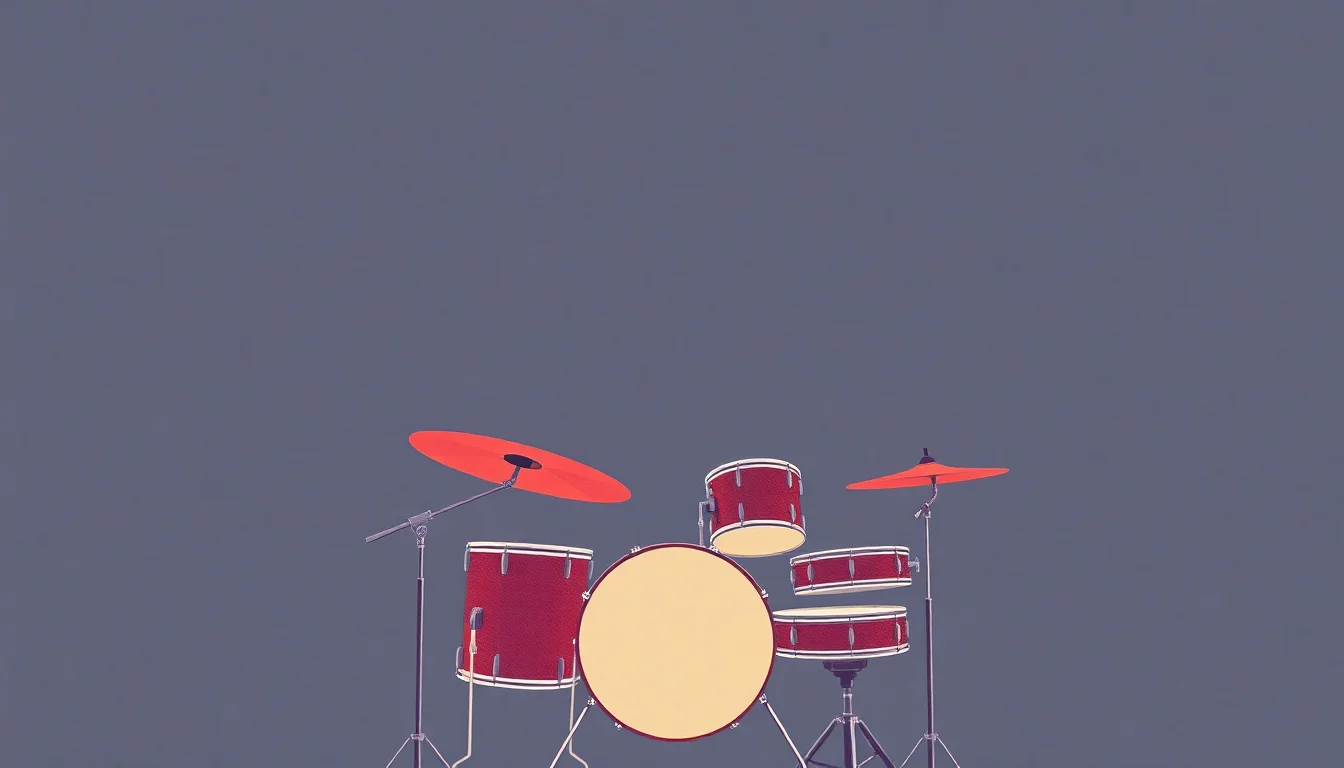
Heavy drums, in the context of Vibepedia, refers to a distinct category of percussion instruments and the sonic aesthetic they produce, characterized by a deep, resonant, and often amplified sound. This isn't just about volume; it's about the physical impact and the sheer weight of the tone. Think of the earth-shattering kick drum in a Doom Metal track or the thunderous tom fills in Industrial Music. These drums are engineered and played to occupy significant sonic space, often forming the rhythmic bedrock of genres that demand power and intensity. They are the antithesis of delicate, airy percussion, designed instead to be felt as much as heard.
🎧 Who Needs Heavy Drums?
This category is for anyone drawn to the visceral power of rhythm. Metalheads seeking that definitive blast beat, Dubstep Producers aiming for bone-rattling bass drops, or even Film Score Composers looking to inject primal energy into their work will find heavy drums indispensable. It’s also for the DIY Musician who wants to understand the sonic architecture of their favorite genres. If your creative impulse leans towards the colossal, the impactful, and the undeniably loud, then heavy drums are your sonic palette.
📍 Where to Find Heavy Drums (Virtually & Physically)
Acquiring heavy drums can be a multi-pronged approach. For physical instruments, specialized Music Stores focusing on rock and metal gear are your best bet, though large general retailers often carry a selection. Online marketplaces like Reverb.com and eBay offer a vast inventory of both new and used kits. Digitally, numerous sample libraries and virtual instrument plugins cater to this sound. Companies like Native Instruments (with their Kontakt platform) and XLN Audio (with their Addictive Drums series) provide high-quality, customizable heavy drum sounds for Digital Audio Workstations.
💰 Pricing & Acquisition
The cost of heavy drums varies wildly. A basic acoustic drum kit suitable for heavier genres can range from $500 to $1500 for entry-level to mid-range options. Professional-grade kits, especially those with specialized shell materials or high-end hardware, can easily exceed $3000. For virtual instruments, expect to pay anywhere from $50 for a single sample pack to $500+ for comprehensive virtual drum suites. Used Gear is a fantastic way to access higher-quality instruments at a fraction of the original price, often found on platforms like Craigslist or local music forums.
⭐ Vibe Score & Cultural Resonance
The Vibe Score for 'Heavy Drums' hovers around an 85/100, reflecting its immense cultural penetration in genres that define modern aggressive and powerful music. Its cultural resonance is undeniable, acting as a sonic signifier for rebellion, intensity, and raw energy. While not universally embraced across all musical tastes, its influence flows powerfully through Rock Music, Electronic Dance Music, and beyond. The debate often centers on authenticity versus digital replication, but the sheer impact of the sound keeps its Vibe Score exceptionally high.
⚖️ Heavy Drums vs. Lighter Percussion
The primary distinction lies in sonic character and application. Heavy drums are characterized by their deep, resonant frequencies, often achieved through larger shell diameters, thicker shells, and specific tuning. They are designed for maximum impact, often with significant sustain and a powerful low-end. Lighter percussion, such as Hand Percussion or standard drum kit components, typically focuses on clarity, articulation, and a more nuanced tonal palette. While a snare drum might be tuned for a sharp crack, a heavy genre snare might be tuned for a deep, booming 'thwack.'
🛠️ Key Components & Characteristics
Key components contributing to the 'heavy' sound include larger diameter bass drums (22-26 inches are common), deeper tom-toms, and often thicker-shelled snare drums. Materials like maple, birch, and even acrylic can contribute to resonance and sustain. For electronic drums, this translates to powerful, often sub-bass heavy kick drum samples and robust snare sounds. Drum Tuning plays a crucial role, with lower tunings emphasizing the fundamental frequency and creating that characteristic weight. The use of Drum Microphones and Equalization in recording also significantly shapes the perceived 'heaviness.'
💡 Practical Tips for Enthusiasts
When exploring heavy drums, consider your primary genre. Metal Drummers might prioritize a powerful kick and snare, while a Hip-Hop Producer might focus on sampled, heavily processed kick and snare sounds. For acoustic kits, experiment with different head types; thicker, coated heads often yield a warmer, heavier tone. If going digital, invest time in learning your chosen Virtual Instrument or sample library – the presets are just a starting point. Don't underestimate the power of Drum Effects like compression and saturation to add perceived weight and aggression.
🚀 Getting Started with Heavy Drums
To begin your journey into heavy drums, start by listening critically. Identify the drum sounds you admire in your favorite tracks and try to discern their characteristics. If you're a producer, download demo versions of popular virtual drum plugins or explore free sample packs. For aspiring acoustic drummers, visit a local music store and try out different kits, focusing on the feel and sound of the bass drum and snare. Many Online Drumming Communities offer advice and tutorials specifically for heavier styles. The key is to immerse yourself in the sound and experiment relentlessly.
Key Facts
- Year
- Ancient Origins - Present
- Origin
- Global
- Category
- Musical Instruments & Genres
- Type
- Concept
Frequently Asked Questions
What's the difference between a 'heavy' kick drum and a standard one?
A 'heavy' kick drum typically emphasizes low-end frequencies (below 100Hz) and has a pronounced 'thump' or 'boom' rather than a sharp 'click.' This is achieved through larger drum sizes (22-26 inches), specific head choices (often single-ply, coated), and tuning lower. In electronic music, it's often about layered samples with significant sub-bass content and aggressive compression.
Can I achieve a 'heavy' drum sound with a standard acoustic kit?
Absolutely. While some kits are inherently better suited, proper tuning, head selection (e.g., thicker, coated heads), dampening techniques (like Moongel or felt strips), and strategic microphone placement and EQ in the mix can transform a standard kit into a heavy-sounding one. Experimentation is key.
What are the most popular virtual drum plugins for heavy sounds?
Several plugins are highly regarded. XLN Audio's Addictive Drums 2, Native Instruments' Abbey Road Modern Drummer or Superior Drummer 3, and Toontrack's EZdrummer and Superior Drummer series are consistently recommended for their extensive libraries and customization options suitable for heavy genres.
Are there specific drum sticks recommended for playing heavy music?
While personal preference is paramount, many drummers in heavy genres opt for slightly thicker and longer sticks for increased power and reach. Models like the Vic Firth 5B, 5A, or even heavier sticks like the 2B are common choices. However, lighter sticks can also be used effectively depending on the specific technique and desired articulation.
How important is the drummer's technique for achieving a heavy sound?
Technique is paramount. A drummer's ability to hit with power, control dynamics, and execute precise, impactful rhythms is fundamental. Even with the best gear, poor technique will result in a weak sound. Developing strong fundamental drumming skills is the first step to achieving a truly heavy drum sound.
What's the role of cymbal choice in heavy drum sounds?
Cymbals contribute significantly to the overall sonic weight. Heavier, thicker cymbals (like rock or metal series crashes and rides) produce a more sustained, powerful sound that cuts through the mix. Smaller, thinner cymbals might get lost. The choice of hi-hats also impacts the rhythmic foundation, with heavier models providing a more defined 'chick' sound.