
Contents
Overview
Unlike factory-produced counterparts, these bags are typically created by individual artisans or small ateliers, involving meticulous attention to detail, traditional techniques, and high-quality materials like full-grain leather, exotic skins, or artisanal textiles. The value of a handmade handbag lies not just in its aesthetic appeal but in the story of its creation, the skill of its maker, and its inherent durability, often becoming heirloom pieces. This sector thrives on exclusivity, with many pieces being one-of-a-kind or produced in very limited runs, commanding premium prices that reflect the time, skill, and materials invested.
🎵 Origins & History
Early forms were likely simple pouches fashioned from animal hides or woven plant fibers, serving purely functional purposes. The late 19th and early 20th centuries saw the rise of specialized leatherworkers and milliners who began creating more structured and fashionable bags. The mid-20th century, particularly post-World War II, witnessed a surge in ready-to-wear fashion, which paradoxically fueled a counter-movement valuing bespoke and artisanal creations.
⚙️ How It Works
The creation of a handmade handbag is a multi-stage process demanding precision and skill. It begins with the selection of premium materials, often full-grain leather, which is chosen for its durability and ability to age gracefully. Stitching is a hallmark of quality; saddle stitching, a technique involving two needles and a strong waxed thread, is favored for its strength and aesthetic appeal, often performed by hand rather than machine.
📊 Key Facts & Numbers
The market for handmade handbags is substantial, though precise global figures are elusive due to the fragmented nature of independent artisans.
👥 Key People & Organizations
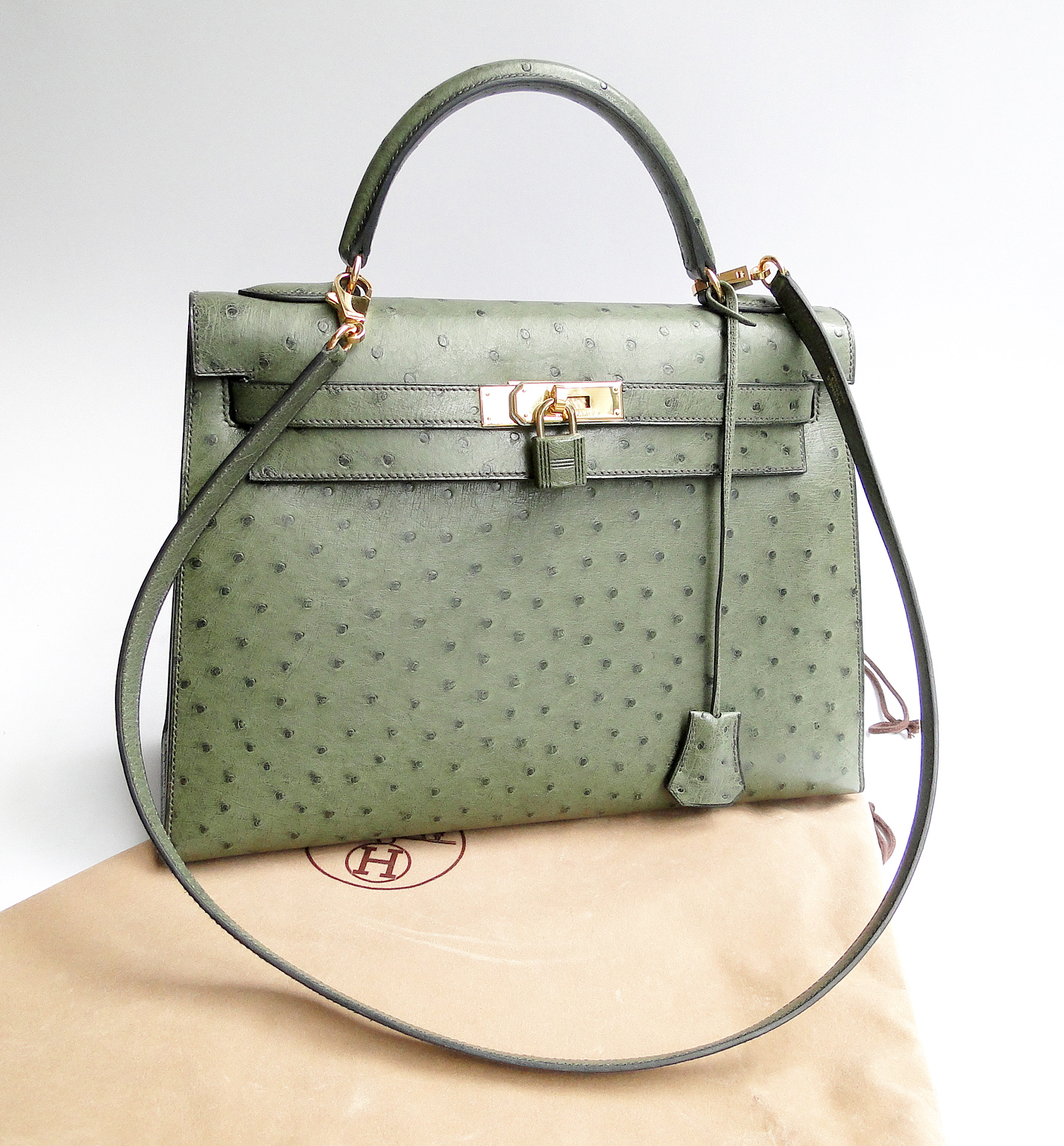
Hermes has long been synonymous with handmade luxury, with its heritage tied to artisans who meticulously craft pieces like the Kelly bag. Designers like Jane Birkin (whose name inspired the Birkin bag) and Grace Kelly (after whom the Kelly bag was renamed) became inextricably linked to these iconic handmade accessories. Independent designers such as Clare Vivier of Clare V. have built successful brands on the foundation of chic, well-made, often locally produced handbags. Organizations like the Council of Fashion Designers of America (CFDA) champion American designers, many of whom focus on handmade production. The rise of online marketplaces like Etsy has empowered countless individual artisans, such as those behind brands like Moon & Field or The Little Market, to reach a global audience.
🌍 Cultural Impact & Influence
Handmade handbags carry significant cultural weight, symbolizing status, personal style, and an appreciation for craftsmanship. They are often seen as investments rather than mere accessories, with their value appreciating over time, especially for iconic designs from houses like Chanel or Dior. The association with celebrities and royalty, like Grace Kelly and her eponymous bag, has cemented their aspirational appeal. The growing consumer interest in ethical fashion and sustainability has elevated the status of handmade goods, as they often involve more transparent supply chains and less waste than mass-produced items. The narrative behind each handmade bag—the artisan's story, the origin of the materials, the hours of labor—adds a layer of emotional resonance that factory-made items rarely achieve, fostering a deeper connection between owner and object.
⚡ Current State & Latest Developments
Brands like Hermès continue to invest heavily in training artisans, ensuring the continuation of techniques for bags like the Kelly bag. Platforms like Etsy, Shopify, and Instagram have democratized access for small-scale creators. We're seeing a rise in customization options, with many independent makers offering personalized designs, monograms, or bespoke colorways. There's also a growing trend towards using innovative, sustainable materials, such as vegan leathers derived from pineapple leaves or mushroom mycelium, challenging traditional notions of what constitutes luxury.
🤔 Controversies & Debates
The primary controversy surrounding handmade handbags often revolves around the definition of 'handmade' itself and the pricing of luxury goods. Critics question whether bags assembled with some machine assistance or by multiple artisans in a workshop truly qualify as 'handmade' compared to those crafted entirely by a single individual. The exorbitant prices commanded by some luxury handmade bags also spark debate about accessibility and perceived value, with some arguing it fuels an elitist market. Furthermore, the sourcing of exotic skins, a material often used in high-end handmade bags, faces scrutiny from animal welfare organizations and consumers advocating for cruelty-free alternatives. The environmental impact of certain tanning processes and dyes used in leather production also presents an ethical challenge for both artisans and consumers.
🔮 Future Outlook & Predictions
The future of handmade handbags appears robust, driven by a continued consumer desire for authenticity and quality. We can anticipate further innovation in sustainable materials and production methods, with more brands exploring bio-based leathers and closed-loop manufacturing processes. The integration of technology, such as augmented reality for virtual try-ons or blockchain for provenance tracking, could enhance the customer experience for high-value handmade pieces. Expect to see more direct-to-consumer models from independent designers, bypassing traditional retail channels to maintain control over quality and pricing. The concept of 'slow fashion,' which handmade embodies, is likely to gain further traction, positioning handmade handbags not just as fashion items but as conscious consumer choices and potential heirlooms. The market may also see increased collaboration between established
Key Facts
- Category
- aesthetics
- Type
- topic