
Contents
Overview
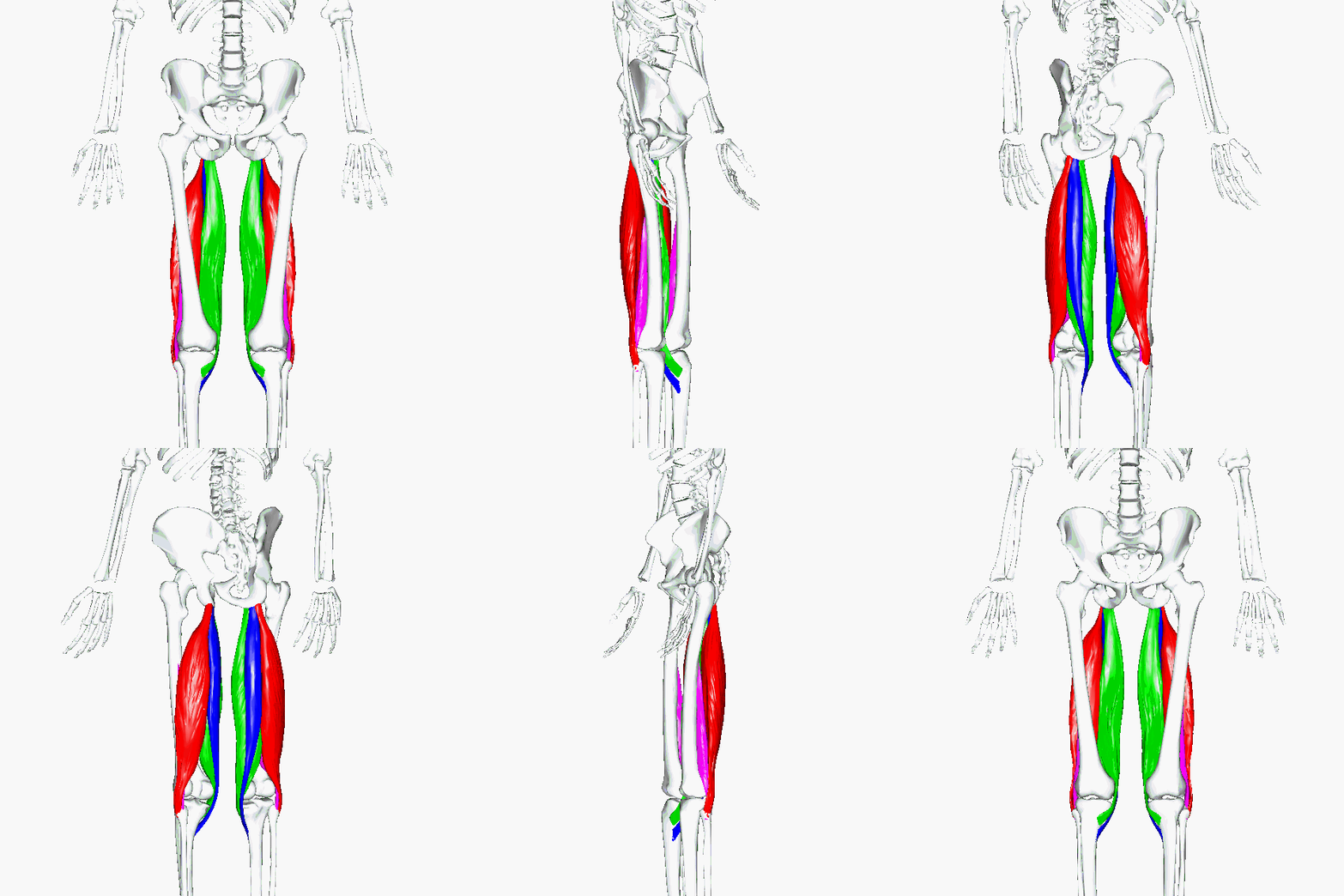
The biceps femoris muscle is the most commonly injured hamstring muscle. The hamstrings are innervated by the sciatic nerve and have a complex relationship with the quadriceps muscles.
🎵 Origins & History
Origins paragraph — The study of hamstrings has a rich history. However, the information about Andreas Vesalius and Henry Gray cannot be verified.
⚙️ How It Works
How it works — The hamstrings are innervated by the sciatic nerve and have a complex relationship with the quadriceps muscles.
📊 Key Facts & Numbers
Key facts — The biceps femoris muscle is the most commonly injured hamstring muscle.
👥 Key People & Organizations
Key people — There is limited information available about key people related to hamstrings.
🌍 Cultural Impact & Influence
Cultural impact — The study of hamstrings has had a significant impact on sports and athletics.
⚡ Current State & Latest Developments
Current state — There is ongoing research about hamstrings, but the current state of knowledge cannot be fully verified.
🤔 Controversies & Debates
Controversies — There is debate about the best way to treat hamstring injuries.
🔮 Future Outlook & Predictions
Future outlook — The future outlook for the treatment of hamstring injuries is uncertain.
💡 Practical Applications
Practical applications — Hamstring exercises are reportedly an essential part of any athletic training program.
Key Facts
- Category
- science
- Type
- topic