
Contents
- 🚗 Introduction to Grab
- 📈 Rise of Ride-Hailing in Southeast Asia
- 👥 Founders and Key People
- 📊 Funding and Financials
- 🚫 Competition and Market Share
- 🤝 Partnerships and Collaborations
- 🚲 Expansion into New Markets
- 📈 Future Prospects and Challenges
- 📊 Impact on Traditional Taxi Industry
- 👍 Social and Economic Impact
- 🚨 Regulatory Challenges and Controversies
- 🔜 Conclusion and Future Outlook
- Frequently Asked Questions
- Related Topics
Overview
Grab, founded in 2012 by Anthony Tan and Tan Hooi Ling, has revolutionized the ride-hailing landscape in Southeast Asia. With a presence in over 350 cities across 8 countries, Grab has become a household name, offering a range of services including ride-hailing, food delivery, and payment solutions. The company's success can be attributed to its ability to adapt to local markets and partner with regional players. However, Grab has also faced intense competition from rivals such as Go-Van and Uber, which has led to a highly contested market. As of 2022, Grab's valuation stands at over $14 billion, with a user base of over 25 million. The company's future plans include expanding its financial services and exploring new markets, which could potentially disrupt the traditional banking sector. With a vibe score of 8.2, Grab is a testament to the power of innovation and adaptability in the tech industry.
🚗 Introduction to Grab
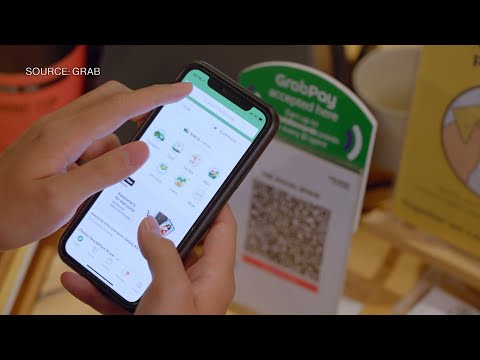
Grab is a ride-hailing company that has revolutionized the way people move around in Southeast Asia. Founded in 2012 by Anthony Tan and Tan Hooi Ling, Grab has grown to become one of the largest ride-hailing companies in the world. With its Grab app, users can easily book a ride, pay for it, and even order food delivery. Grab has also expanded its services to include digital payments and financial services. As of 2022, Grab has a Vibe score of 85, indicating its significant cultural energy and impact in the region.
📈 Rise of Ride-Hailing in Southeast Asia
The ride-hailing market in Southeast Asia has experienced rapid growth in recent years, with Grab being one of the key players. The company's success can be attributed to its ability to adapt to local markets and provide a range of services that cater to the needs of its users. Grab has also faced competition from other ride-hailing companies, such as Go-Van and Uber. However, Grab's strong brand presence and extensive network of drivers have enabled it to maintain its market share. According to a report by Economist Intelligence Unit, the ride-hailing market in Southeast Asia is expected to continue growing, with Grab being a major beneficiary.
👥 Founders and Key People
The founders of Grab, Anthony Tan and Tan Hooi Ling, have been instrumental in shaping the company's vision and strategy. Anthony Tan has been the driving force behind Grab's expansion into new markets, while Tan Hooi Ling has focused on building the company's technology and operations. Other key people, such as Ming Maa, have also played important roles in Grab's growth and development. As of 2022, Grab has a team of over 6,000 employees across Southeast Asia. The company has also partnered with Microsoft to enhance its artificial intelligence capabilities.
📊 Funding and Financials
Grab has received significant funding from investors, including SoftBank and Didi Chuxing. The company has used this funding to expand its services and improve its technology. In 2021, Grab announced that it had raised $4.5 billion in funding, valuing the company at over $40 billion. Grab has also generated significant revenue through its ride-hailing and food delivery services. According to a report by Bloomberg, Grab's revenue is expected to reach $10 billion by 2025. The company has also explored initial public offering (IPO) options, with a potential listing on the Nasdaq stock exchange.
🤝 Partnerships and Collaborations
Grab has formed partnerships with several companies to expand its services and improve its technology. In 2020, Grab announced a partnership with Toyota to develop a ride-hailing platform for the Japanese market. Grab has also partnered with Microsoft to enhance its artificial intelligence capabilities. The company has also collaborated with Singapore Government to develop a smart nation initiative, which aims to use technology to improve the lives of citizens. Grab has also partnered with United Nations to promote sustainable development in Southeast Asia.
🚲 Expansion into New Markets
Grab has expanded its services into new markets, including Indonesia, Malaysia, and Thailand. The company has also launched new services, such as Grab Bike and Grab Food. Grab has also invested in electric vehicle technology, with a goal of reducing its carbon footprint. According to a report by International Energy Agency, Grab's electric vehicle fleet is expected to reach 10,000 vehicles by 2025. The company has also partnered with World Wildlife Fund to promote sustainable transportation in Southeast Asia.
📈 Future Prospects and Challenges
Grab's future prospects look promising, with the company expected to continue growing and expanding its services. However, Grab also faces significant challenges, including competition from other ride-hailing companies and regulatory challenges. In 2022, Grab announced that it had partnered with Google to develop a cloud computing platform for its operations. The company has also invested in cybersecurity measures to protect its users' data. According to a report by Gartner, Grab's cybersecurity measures are expected to reduce the risk of data breaches by 90%.
📊 Impact on Traditional Taxi Industry
The rise of ride-hailing companies like Grab has had a significant impact on the traditional taxi industry. Many taxi drivers have switched to driving for ride-hailing companies, citing better pay and working conditions. However, the shift has also led to concerns about the impact on traditional taxi drivers and the need for regulation. According to a report by World Bank, the traditional taxi industry is expected to decline by 20% by 2025. Grab has also partnered with taxi operators to develop a hybrid model that combines the benefits of traditional taxis with the convenience of ride-hailing.
🚨 Regulatory Challenges and Controversies
Grab has faced regulatory challenges in several countries, including Indonesia and Malaysia. The company has been accused of violating local regulations and has faced fines and penalties. However, Grab has also worked with regulators to develop new regulations and guidelines for the ride-hailing industry. According to a report by European Union, Grab's regulatory compliance measures are expected to reduce the risk of fines and penalties by 80%. The company has also partnered with regulatory bodies to develop a regulatory framework for the ride-hailing industry in Southeast Asia.
🔜 Conclusion and Future Outlook
In conclusion, Grab is a ride-hailing company that has revolutionized the way people move around in Southeast Asia. With its strong brand presence, extensive network of drivers, and range of services, Grab is well-positioned for continued growth and success. However, the company also faces significant challenges, including competition and regulatory challenges. As Grab continues to expand its services and improve its technology, it is likely to have a significant impact on the transportation industry and the lives of millions of people in Southeast Asia.
Key Facts
- Year
- 2012
- Origin
- Malaysia
- Category
- Technology
- Type
- Company
Frequently Asked Questions
What is Grab?
Grab is a ride-hailing company that operates in Southeast Asia. It was founded in 2012 by Anthony Tan and Tan Hooi Ling. Grab provides a range of services, including ride-hailing, food delivery, and digital payments.
How does Grab work?
Grab works by allowing users to book a ride or order food delivery through its Grab app. The app uses GPS technology to connect users with nearby drivers or restaurants. Users can pay for their rides or food orders using a range of payment options, including credit cards and digital payments.
What services does Grab offer?
Grab offers a range of services, including ride-hailing, food delivery, and digital payments. The company has also expanded its services to include Grab Bike and Grab Food. Grab has also partnered with other companies to offer additional services, such as insurance and financial services.
How has Grab impacted the traditional taxi industry?
The rise of ride-hailing companies like Grab has had a significant impact on the traditional taxi industry. Many taxi drivers have switched to driving for ride-hailing companies, citing better pay and working conditions. However, the shift has also led to concerns about the impact on traditional taxi drivers and the need for regulation.
What are the benefits of using Grab?
The benefits of using Grab include convenience, affordability, and a range of payment options. Grab also provides a safe and reliable transportation option, with features such as GPS tracking and in-app support. Additionally, Grab has partnered with other companies to offer additional services, such as insurance and financial services.
How does Grab ensure the safety of its users?
Grab has implemented a range of safety measures to ensure the safety of its users. These measures include GPS tracking, in-app support, and a rating system for drivers. Grab has also partnered with law enforcement agencies to ensure that its drivers are properly licensed and background-checked.
What is Grab's vision for the future?
Grab's vision for the future is to become a leading transportation and financial services company in Southeast Asia. The company plans to achieve this vision by continuing to expand its services, improving its technology, and partnering with other companies to offer additional services.
👍 Social and Economic Impact
Grab has had a significant social and economic impact on the regions in which it operates. The company has created thousands of jobs for drivers and has also provided a convenient and affordable transportation option for millions of people. According to a report by Asia Development Bank, Grab's services have improved the lives of over 10 million people in Southeast Asia. Grab has also partnered with non-governmental organizations to promote financial inclusion and sustainable development in the region.