
Contents
- ⚡ What's the Vibe: EV Incentives Explained
- 📍 Who Qualifies & Where to Find Them
- 💰 The Dough: Tax Credits, Rebates, and More
- 🚗 Beyond the Car: Charging & Infrastructure Perks
- 🤔 The Skeptic's Corner: Are They Worth It?
- 📈 The Futurist's Forecast: What's Next?
- ⭐ Vibepedia's Vibe Score: 78/100 (High Potential, Navigational Complexity)
- 💡 Pro Tips for Maximizing Your Green Drive
- Frequently Asked Questions
- Related Topics
Overview
Government incentives for electric vehicles (EVs) are essentially financial carrots dangled by federal, state, and local governments to nudge consumers and businesses toward cleaner transportation. Think of it as a societal investment in reducing carbon emissions and energy independence, with you, the EV buyer, being the direct beneficiary. These programs aim to offset the typically higher upfront cost of EVs, making them more competitive with traditional gasoline-powered cars. The core idea is simple: drive electric, save money, and help the planet. This isn't just about buying a car; it's about participating in a broader sustainability movement.
📍 Who Qualifies & Where to Find Them
Eligibility for these incentives is a tangled web, often depending on your income, the vehicle's battery capacity, where you live, and even where the vehicle was manufactured. Federal tax credits, like the Clean Vehicle Credit (formerly the EV Tax Credit), have income limitations and vehicle MSRP caps. State rebates can be even more localized, requiring you to be a resident of that specific state or even county. For example, California's Clean Vehicle Rebate Project (CVRP) has specific income caps and vehicle requirements. Hours of operation for government agencies administering these programs are typically standard business hours, but the application processes are almost exclusively online, accessible 24/7 through dedicated portals.
💰 The Dough: Tax Credits, Rebates, and More
The financial incentives come in various flavors. The most prominent is the federal Clean Vehicle Credit, which can offer up to $7,500 for new EVs and $4,000 for used EVs, provided the vehicle and buyer meet strict criteria, including sourcing of battery components and final assembly location. Many states offer additional rebates, such as point-of-sale discounts or mail-in rebates, that can stack with the federal credit. For instance, Colorado's Accelerate Colorado program offers rebates that can significantly reduce the out-of-pocket cost. Some municipalities even offer local incentives, like reduced registration fees or parking permits, adding another layer to the financial calculus.
🚗 Beyond the Car: Charging & Infrastructure Perks
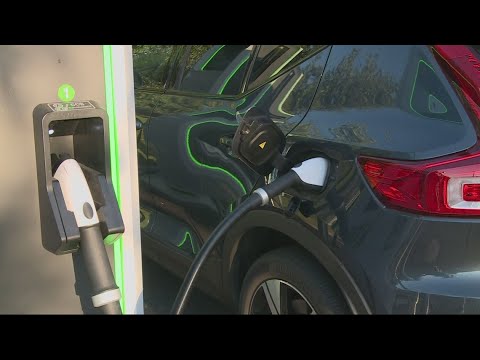
The green drive doesn't stop at the car itself. Many incentives extend to the infrastructure needed to support EV ownership. This can include tax credits or rebates for installing a home Level 2 charger, often covering a significant portion of the equipment and installation costs. Some states and utility companies offer special electricity rates for EV charging during off-peak hours, further reducing the cost of 'fueling' your vehicle. Public charging infrastructure is also seeing investment, with grants and programs aimed at expanding the network of fast chargers along highways and in urban centers, making longer trips more feasible and reducing range anxiety.
🤔 The Skeptic's Corner: Are They Worth It?
From a contrarian perspective, the complexity and ever-changing nature of these incentives can be a significant barrier. The sourcing requirements for the federal tax credit, for example, have led to confusion and frustration, with many popular EV models temporarily losing eligibility. Critics argue that these programs disproportionately benefit higher-income individuals who can afford new EVs in the first place, and that the administrative burden outweighs the actual savings for many. Furthermore, the reliance on government subsidies raises questions about long-term market sustainability and potential market distortions.
📈 The Futurist's Forecast: What's Next?
Looking ahead, the trend is clear: governments are doubling down on electrification. We can expect to see continued expansion of federal and state incentives, potentially with more targeted programs for lower-income buyers and for specific vehicle types like electric trucks and buses. The Inflation Reduction Act has significantly reshaped the landscape, and its provisions will likely evolve. Expect increased focus on domestic battery production and ethical sourcing, which will continue to influence eligibility. The ultimate goal is a fully electrified transportation sector, and incentives are the current engine driving that transition, though the path is far from smooth.
💡 Pro Tips for Maximizing Your Green Drive
To truly maximize your EV incentive haul, do your homework before you buy. Start with the federal Clean Vehicle Credit eligibility list on the IRS website. Then, research your specific state's energy or environmental agency for rebate programs – don't assume your state has one, but many do. Check with your local utility company for charging incentives and off-peak rates. If you're buying used, look for specific used EV tax credit programs. Finally, be prepared for paperwork; many applications require proof of income, residency, and vehicle details. Don't be afraid to contact the administering agencies directly if you have questions – they are there to help, even if their websites can be daunting.
Key Facts
- Year
- 2023
- Origin
- Vibepedia.wiki
- Category
- Automotive & Sustainability
- Type
- Resource Guide
Frequently Asked Questions
Are EV incentives still available in 2024?
Yes, many government incentives for EVs are still available in 2024, though eligibility criteria can change. The federal Clean Vehicle Credit has been updated under the Inflation Reduction Act, with new rules regarding battery component and critical mineral sourcing. Many states and local governments also offer their own rebates and tax credits, which vary widely. It's crucial to check the latest guidelines from the IRS and your state's relevant agencies before making a purchase.
How do I know if the EV I want qualifies for the federal tax credit?
The U.S. Department of Energy maintains a list of vehicles that meet the requirements for the federal Clean Vehicle Credit on its FuelEconomy.gov website. This list is updated regularly and specifies whether a vehicle qualifies for the full credit, a partial credit, or not at all, based on factors like battery capacity, MSRP, and final assembly location. Always cross-reference this with the IRS guidelines for buyer eligibility.
Can I get incentives for buying a used electric vehicle?
Absolutely. The federal government offers a used EV tax credit of up to $4,000 for eligible used EVs. Similar to the new EV credit, there are income limitations for the buyer and price caps for the vehicle. Some states also offer specific rebates or incentives for used electric vehicles, so it's worth checking your local programs.
What's the difference between a tax credit and a rebate?
A tax credit directly reduces the amount of income tax you owe, dollar for dollar. For example, a $7,500 tax credit means you owe $7,500 less in taxes. A rebate is a direct payment or discount you receive, often at the point of sale or after you've purchased the vehicle. Rebates can sometimes be applied instantly to reduce the purchase price, while tax credits are typically claimed when you file your annual taxes.
Are there incentives for installing an EV charger at home?
Yes, many federal, state, and utility programs offer incentives for installing home EV charging stations. The federal residential clean energy credit can cover a portion of the cost. Additionally, numerous state energy offices and local utility companies provide rebates or tax credits specifically for the purchase and installation of Level 2 chargers. These can significantly offset the upfront cost of setting up home charging.
How do income limitations for EV incentives work?
For both new and used federal EV tax credits, there are adjusted gross income (AGI) limitations. For new vehicles, your modified AGI cannot exceed $300,000 for married couples filing jointly, $225,000 for heads of household, or $150,000 for all other filers. For used vehicles, the AGI caps are lower: $150,000 for joint filers, $112,500 for heads of household, and $75,000 for other filers. Some state rebates also have income caps.