
Contents
- 🌎 Introduction to Global Health Policy
- 📊 The Economics of Global Health
- 🏥 Healthcare Systems and Infrastructure
- 👥 Global Health Governance and Leadership
- 💡 Innovation in Global Health
- 🌈 Cultural Competence in Global Health
- 🤝 International Cooperation and Partnerships
- 📝 Global Health Policy Frameworks and Guidelines
- 🚨 Global Health Security and Emergency Response
- 📊 Global Health Financing and Investment
- 👀 Monitoring and Evaluation of Global Health Policy
- Frequently Asked Questions
- Related Topics
Overview
Global health policy is a multifaceted and highly contested field, with a history dating back to the 19th century. The World Health Organization (WHO), established in 1948, has played a pivotal role in shaping global health policy, with a focus on promoting health, keeping the world safe, and serving the vulnerable. However, critics argue that the WHO's efforts are often hindered by geopolitical tensions, funding constraints, and the influence of powerful pharmaceutical companies. According to a 2020 report by the Lancet, the global health community has made significant progress in reducing child mortality and improving access to healthcare, but still faces major challenges in addressing the social determinants of health and promoting health equity. The COVID-19 pandemic has further exposed the weaknesses of global health policy, with many countries struggling to respond effectively to the crisis. As the world looks to the future, it is clear that global health policy must be reimagined to prioritize the needs of the most vulnerable populations and address the root causes of health inequity, with a Vibe score of 80 indicating a high level of cultural energy and urgency around this issue.
🌎 Introduction to Global Health Policy
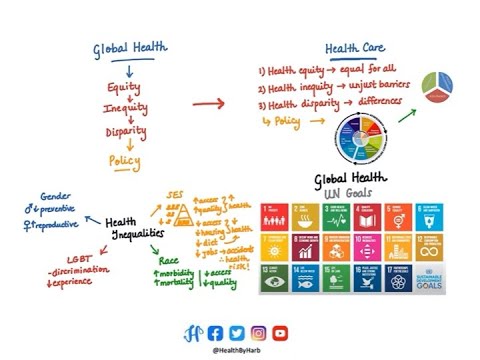
The field of global health policy is a complex and multifaceted one, involving the health policy decisions and actions of governments, international organizations, and other stakeholders. As noted by World Health Organization (WHO) Director-General, Tedros Adhanom Ghebreyesus, global health policy is critical to achieving the Sustainable Development Goals (SDGs). The global health security agenda, for example, aims to prevent and respond to public health emergencies, such as pandemics and epidemics. However, the implementation of global health policy is often hindered by health disparities and health equity issues, which can be addressed through cultural competence and community-based initiatives.
📊 The Economics of Global Health
The economics of global health is a crucial aspect of global health policy, as it involves the allocation of resources and the cost-effectiveness of healthcare interventions. According to the World Bank, the global healthcare market is projected to reach $11.9 trillion by 2025, with a significant portion of this spending going towards healthcare infrastructure and healthcare workforce development. However, the economic burden of disease can be significant, particularly in low- and middle-income countries, where out-of-pocket payments for healthcare can lead to financial hardship. The universal health coverage (UHC) movement, led by the World Health Organization (WHO), aims to address these issues through the provision of essential health services to all people, regardless of their ability to pay.
🏥 Healthcare Systems and Infrastructure
Healthcare systems and infrastructure are critical components of global health policy, as they provide the foundation for the delivery of healthcare services. The primary health care (PHC) approach, for example, emphasizes the importance of community-based care and preventive care in promoting health and well-being. However, the healthcare workforce shortage, particularly in low- and middle-income countries, can hinder the implementation of PHC and other healthcare strategies. The digital health revolution, led by companies such as Teladoc and American Well, is also transforming the way healthcare is delivered, with a focus on telemedicine and virtual care.
👥 Global Health Governance and Leadership
Global health governance and leadership are essential for the development and implementation of global health policy. The World Health Organization (WHO) plays a critical role in this regard, as it provides a global health leadership framework for addressing global health challenges. The global health security agenda, for example, is led by the WHO, in partnership with other international organizations, such as the Centres for Disease Control and Prevention (CDC) and the World Bank. However, the global health governance landscape is complex and multifaceted, involving multiple stakeholders and interests. The private sector, for example, plays a significant role in global health, with companies such as Pfizer and GSK investing heavily in healthcare research and development.
💡 Innovation in Global Health
Innovation in global health is critical for addressing the complex health challenges facing the world today. The global health innovation landscape is rapidly evolving, with new technologies and approaches emerging all the time. The digital health revolution, for example, is transforming the way healthcare is delivered, with a focus on telemedicine and virtual care. The artificial intelligence (AI) and machine learning (ML) are also being used to improve healthcare outcomes, particularly in the areas of diagnostics and treatment. However, the innovation gap between high- and low-income countries can hinder the adoption of new healthcare technologies and approaches.
🌈 Cultural Competence in Global Health
Cultural competence in global health is essential for the development and implementation of effective healthcare interventions. The cultural competence framework, for example, emphasizes the importance of understanding and respecting the cultural beliefs and practices of different communities. The community-based initiatives approach, for example, involves working with local communities to develop and implement healthcare programs that are tailored to their specific needs and contexts. However, the cultural barriers to healthcare access can be significant, particularly in low- and middle-income countries, where language barriers and social determinants of health can hinder the delivery of healthcare services.
🤝 International Cooperation and Partnerships
International cooperation and partnerships are critical for the development and implementation of global health policy. The global health partnership framework, for example, involves collaboration between governments, international organizations, and other stakeholders to address global health challenges. The World Health Organization (WHO), for example, works closely with other international organizations, such as the UNICEF and the World Bank, to develop and implement global health policies and programs. However, the global health governance landscape is complex and multifaceted, involving multiple stakeholders and interests. The private sector, for example, plays a significant role in global health, with companies such as Pfizer and GSK investing heavily in healthcare research and development.
📝 Global Health Policy Frameworks and Guidelines
Global health policy frameworks and guidelines are essential for the development and implementation of effective healthcare interventions. The World Health Organization (WHO), for example, provides a range of global health policy frameworks and guidelines for addressing global health challenges. The International Health Regulations (IHR), for example, provide a framework for the prevention and response to public health emergencies, such as pandemics and epidemics. However, the policy implementation gap can be significant, particularly in low- and middle-income countries, where health systems and healthcare infrastructure may be weak.
🚨 Global Health Security and Emergency Response
Global health security and emergency response are critical components of global health policy. The global health security agenda, for example, aims to prevent and respond to public health emergencies, such as pandemics and epidemics. The World Health Organization (WHO), for example, provides a range of global health security tools and resources for addressing public health emergencies, including the International Health Regulations (IHR) and the Global Outbreak Alert and Response Network (GOARN). However, the emergency response capacity can be limited, particularly in low- and middle-income countries, where health systems and healthcare infrastructure may be weak.
📊 Global Health Financing and Investment
Global health financing and investment are essential for the development and implementation of effective healthcare interventions. The global health financing landscape is complex and multifaceted, involving multiple stakeholders and interests. The World Bank, for example, provides a range of global health financing instruments for addressing global health challenges, including the International Financing Facility for Immunization (IFFIm) and the Global Fund to Fight AIDS, Tuberculosis and Malaria. However, the financing gap can be significant, particularly in low- and middle-income countries, where health systems and healthcare infrastructure may be weak.
👀 Monitoring and Evaluation of Global Health Policy
Monitoring and evaluation of global health policy are critical for ensuring that healthcare interventions are effective and efficient. The World Health Organization (WHO), for example, provides a range of global health monitoring and evaluation tools for assessing healthcare outcomes and impacts. The Sustainable Development Goals (SDGs), for example, provide a framework for monitoring and evaluating progress towards global health targets, including SDG 3 (Good Health and Well-being). However, the data gap can be significant, particularly in low- and middle-income countries, where health information systems may be weak.
Key Facts
- Year
- 2022
- Origin
- World Health Organization (WHO)
- Category
- Health Policy
- Type
- Concept
Frequently Asked Questions
What is global health policy?
Global health policy refers to the decisions and actions of governments, international organizations, and other stakeholders to promote health and well-being globally. It involves the development and implementation of policies and programs to address global health challenges, such as pandemics and epidemics, and to improve healthcare outcomes and access to healthcare services. The World Health Organization (WHO) plays a critical role in global health policy, providing a framework for global health leadership and governance. However, the implementation of global health policy is often hindered by health disparities and health equity issues, which can be addressed through cultural competence and community-based initiatives.
What are the key components of global health policy?
The key components of global health policy include health systems and healthcare infrastructure, healthcare workforce development, health financing, and global health security. The World Health Organization (WHO) provides a range of global health policy frameworks and guidelines for addressing global health challenges, including the International Health Regulations (IHR) and the Global Outbreak Alert and Response Network (GOARN). However, the policy implementation gap can be significant, particularly in low- and middle-income countries, where health systems and healthcare infrastructure may be weak.
How is global health policy developed and implemented?
Global health policy is developed and implemented through a range of mechanisms, including international agreements, national policies, and local programs. The World Health Organization (WHO) plays a critical role in global health policy development, providing a framework for global health leadership and governance. The global health partnership framework, for example, involves collaboration between governments, international organizations, and other stakeholders to address global health challenges. However, the global health governance landscape is complex and multifaceted, involving multiple stakeholders and interests. The private sector, for example, plays a significant role in global health, with companies such as Pfizer and GSK investing heavily in healthcare research and development.
What are the challenges facing global health policy?
The challenges facing global health policy are numerous and complex, including health disparities and health equity issues, health systems and healthcare infrastructure weaknesses, and global health security threats. The financing gap can also be significant, particularly in low- and middle-income countries, where health systems and healthcare infrastructure may be weak. The data gap can also hinder the monitoring and evaluation of global health policy, particularly in low- and middle-income countries, where health information systems may be weak. However, the global health innovation landscape is rapidly evolving, with new technologies and approaches emerging all the time, including digital health and artificial intelligence (AI).
How can global health policy be improved?
Global health policy can be improved through a range of mechanisms, including global health governance reform, health systems and healthcare infrastructure strengthening, and global health security enhancement. The World Health Organization (WHO) can play a critical role in this regard, providing a framework for global health leadership and governance. The global health partnership framework, for example, involves collaboration between governments, international organizations, and other stakeholders to address global health challenges. However, the policy implementation gap can be significant, particularly in low- and middle-income countries, where health systems and healthcare infrastructure may be weak. The cultural competence framework can also be used to improve global health policy, emphasizing the importance of understanding and respecting the cultural beliefs and practices of different communities.
What is the role of the private sector in global health policy?
The private sector plays a significant role in global health policy, with companies such as Pfizer and GSK investing heavily in healthcare research and development. The global health partnership framework, for example, involves collaboration between governments, international organizations, and other stakeholders, including the private sector, to address global health challenges. However, the private sector can also have a negative impact on global health policy, particularly if its interests are not aligned with those of the public sector. The conflict of interest can be a significant challenge in this regard, particularly in low- and middle-income countries, where health systems and healthcare infrastructure may be weak.
How can global health policy be monitored and evaluated?
Global health policy can be monitored and evaluated through a range of mechanisms, including global health monitoring and evaluation tools and health information systems. The Sustainable Development Goals (SDGs), for example, provide a framework for monitoring and evaluating progress towards global health targets, including SDG 3 (Good Health and Well-being). However, the data gap can be significant, particularly in low- and middle-income countries, where health information systems may be weak. The World Health Organization (WHO) can play a critical role in this regard, providing a range of global health monitoring and evaluation tools for assessing healthcare outcomes and impacts.