
Contents
Overview
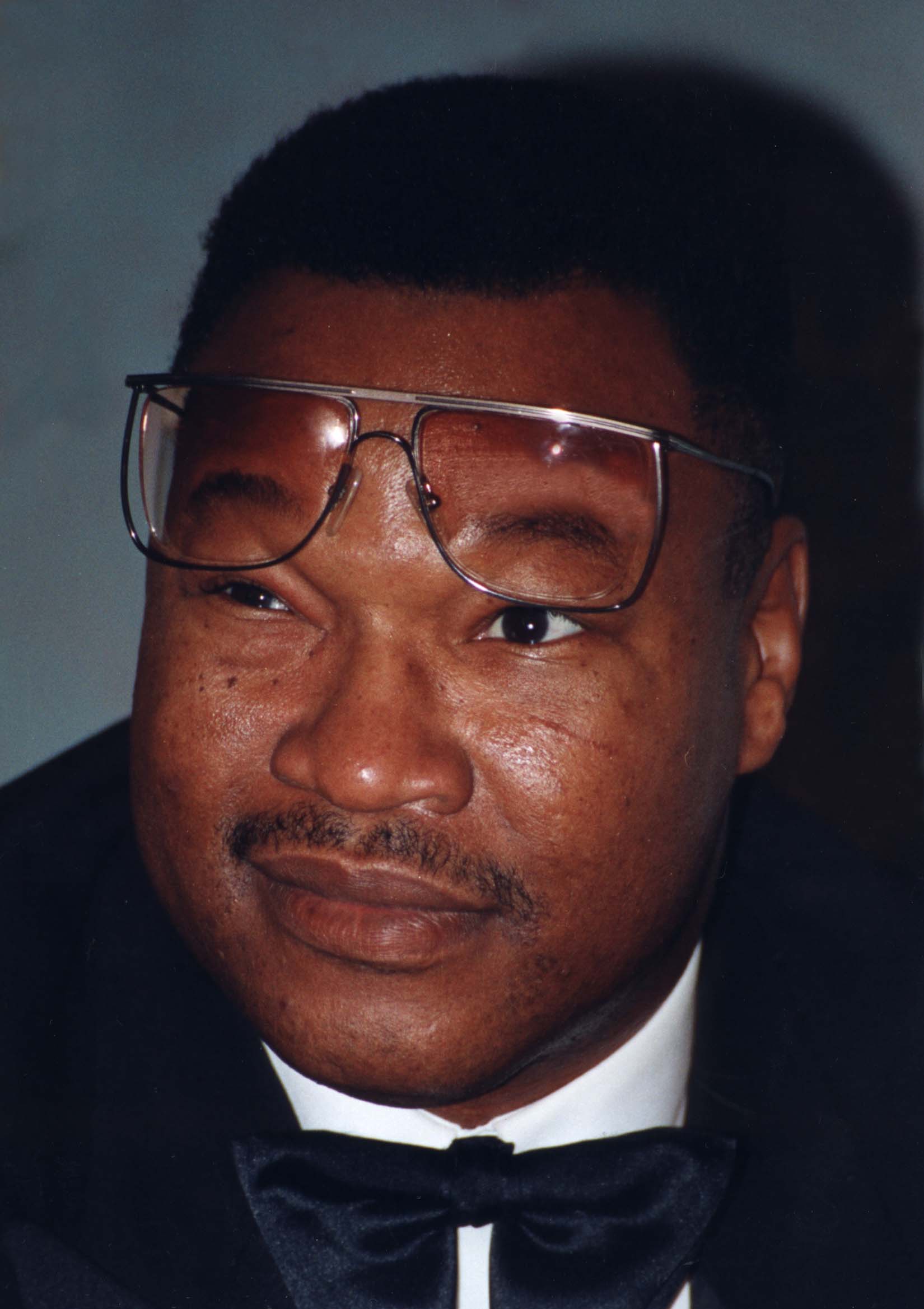
Larry Holmes, often hailed as one of the greatest heavyweight boxers of all time, carved a legendary career. Known for his formidable jab and relentless pressure, Holmes held multiple world heavyweight titles. His career was defined by an astonishing start, a streak that saw him defeat titans like Muhammad Ali, Ken Norton, and Gerry Cooney. The phrase 'Give 'em enough rope' encapsulates his strategic approach: wear down opponents with sustained offense until they falter. This philosophy, combined with his physical prowess and iron will, cemented his legacy as 'the Easton Assassin' and a benchmark for heavyweight excellence.
🎵 Origins & History
Larry Holmes's journey to boxing superstardom began in Easton, Pennsylvania, where he honed his skills in relative obscurity before exploding onto the national scene. His professional boxing debut was a unanimous decision victory over Willie Thomas. The moniker 'the Easton Assassin' was bestowed upon him by sportswriter Larry Merchant, a nod to his methodical, punishing style that systematically dismantled opponents, much like a hunter patiently waiting for the opportune moment. This patient, yet aggressive, approach would define his championship reign.
⚙️ How It Works
The phrase 'Give 'em enough rope' is more than just a catchy slogan; it's a strategic blueprint for Holmes's fighting style. It signifies a deliberate tactic of applying sustained pressure, forcing opponents to expend energy defending and making mistakes. Holmes wouldn't necessarily rush for a knockout but would systematically break down his adversaries with a relentless jab, powerful body shots, and unwavering stamina. This method allowed him to control the pace of the fight, frustrate his opponents, and create openings for decisive blows. It was a testament to his exceptional conditioning and ring intelligence, allowing him to outlast and overpower even the most formidable challengers in the heavyweight division.
📊 Key Facts & Numbers
Holmes's professional record stands as a monumental achievement in boxing history. His jab was measured as one of the most effective in heavyweight history. The International Boxing Federation (IBF) was established during his championship run, adding another layer to his historical significance.
👥 Key People & Organizations
Beyond Larry Holmes himself, several key figures shaped his career. His trainer, Richard Davis, was instrumental in developing his technique and ring IQ. Promoter Don King played a significant role in marketing Holmes's fights, though their relationship was often contentious. Opponents like Muhammad Ali, and Ken Norton, are inextricably linked to his legacy. The International Boxing Federation (IBF) was established during his championship run, adding another layer to his historical significance.
🌍 Cultural Impact & Influence
Larry Holmes's impact transcends the boxing ring. His reign as heavyweight champion provided a stable, dominant figure during a period of transition for the division, following the retirement of Muhammad Ali. His fights drew millions of viewers on HBO and captured the public imagination. The phrase 'Give 'em enough rope' became a popular idiom, reflecting his strategic patience and eventual triumph, influencing not just sports commentary but also broader discussions about perseverance and calculated risk-taking. His image as 'the Easton Assassin' became synonymous with unwavering resolve and physical dominance.
⚡ Current State & Latest Developments
In 2024, Larry Holmes remains a respected elder statesman of boxing. While no longer actively competing, he continues to make public appearances and engage with the boxing community. He has been involved in various business ventures, including real estate and his own boxing promotions. Recent years have seen him advocate for better fighter pensions and healthcare, a cause close to his heart given the physical toll of the sport. He occasionally offers commentary on current boxing events, providing insights rooted in his extensive championship experience, and remains a beloved figure in his hometown of Easton, Pennsylvania.
🤔 Controversies & Debates
One of the most significant controversies surrounding Holmes's career involves his later career, where he took on several less-than-stellar opponents in exhibition matches and comeback attempts, leading some critics to question his decision-making and legacy preservation. Another point of contention has been his place in the all-time heavyweight rankings, with some arguing his dominance was overshadowed by the eras of Muhammad Ali and Mike Tyson, while others firmly place him among the top three.
🔮 Future Outlook & Predictions
The future for figures like Larry Holmes involves continued advocacy for retired boxers and the preservation of boxing history. There's a growing interest in documentaries and biographical projects that revisit his career, potentially introducing his story to new generations. As the sport evolves with new stars and promotional platforms like Top Rank and PBC Boxing dominating headlines, Holmes's legacy serves as a reminder of a more straightforward, yet equally intense, era of heavyweight boxing. His strategic approach, 'Give 'em enough rope,' might find new interpretations in modern competitive fields.
💡 Practical Applications
The 'Give 'em enough rope' philosophy has practical applications far beyond the boxing ring. In business strategy, it can translate to patience in market penetration, allowing competitors to overextend before launching a decisive counter-offensive. In negotiation, it suggests allowing the other party to present their full case and reveal their weaknesses before making your own move. Even in personal development, it can mean allowing individuals to learn from their own mistakes rather than intervening too quickly, fostering resilience and self-sufficiency. The core principle is understanding when to apply pressure and when to allow situations to unfold, maximizing strategic advantage.
Key Facts
- Category
- culture
- Type
- person