
Contents
Overview
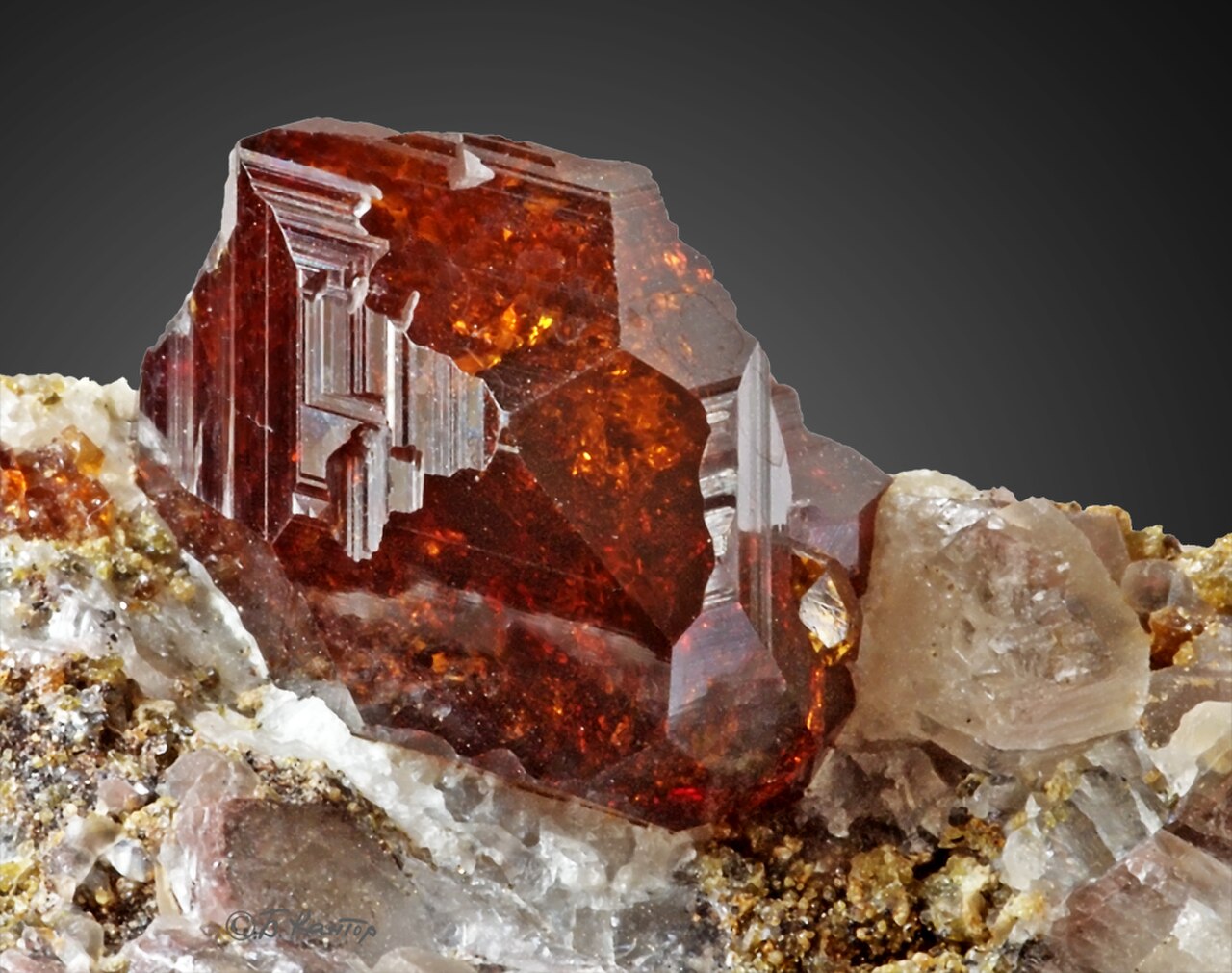
Garnets are not just one gemstone but a group of silicate minerals that have captivated humanity since the Bronze Age. Known for their vibrant colors and durability, garnets have been used as gemstones and abrasives for thousands of years. They are particularly popular among collectors and jewelers for their diverse range of hues and forms, making them suitable for various applications, from jewelry to industrial uses. Whether you're a gem enthusiast, a jewelry maker, or just curious about minerals, garnets offer something for everyone. For more on the historical significance of garnets, check out Garnet's Historical Journey.
📍 Location & Access
Garnets can be found in various locations worldwide, including the United States, India, Madagascar, and Sri Lanka. In the U.S., notable deposits are located in New York and New Jersey, where garnets are often mined from metamorphic rocks. If you're interested in seeing garnets in their natural habitat, consider visiting the American Museum of Natural History in New York City, which features a stunning collection of gemstones. Most gem shows also showcase garnets, providing an excellent opportunity for enthusiasts to explore these stones up close.
💰 Pricing & Plans
Pricing for garnets varies widely based on type, size, and quality. For instance, a high-quality rhodolite garnet can range from $50 to $200 per carat, while more common varieties may cost as little as $10 per carat. When purchasing garnets, consider factors such as clarity, color saturation, and cut. For a comprehensive guide on pricing, see Understanding Gemstone Prices.
⭐ What People Say
Reviews and testimonials about garnets are overwhelmingly positive, with many enthusiasts praising their beauty and versatility. Customers often highlight the unique colors and the emotional connection they feel when wearing garnet jewelry. However, some users caution about the potential for misrepresentation in the market, especially regarding synthetic versus natural stones. For a deeper dive into consumer experiences, check out Garnet User Experiences.
🔬 Composition & Varieties
Garnets are composed of a complex group of silicate minerals, including almandine, pyrope, spessartine, grossular, and andradite. Each type has its unique properties and colors, ranging from deep red to vibrant green and orange. For example, almandine garnets are typically red to brownish-red, while grossular garnets can be green, yellow, or even colorless. To learn more about the mineral composition, visit Types of Garnets.
⚖️ Comparison with Other Gemstones
When comparing garnets to other gemstones, they often stand out for their affordability and durability. Unlike diamonds, which can be prohibitively expensive, garnets offer a more accessible option for those seeking quality gemstones. However, garnets may not have the same level of hardness as sapphires or rubies, making them less suitable for everyday wear in rings. For a detailed comparison, see Garnets vs. Other Gemstones.
🛠️ Practical Tips for Buyers
When buying garnets, consider purchasing from reputable dealers who provide certification for their stones. Look for stones with good clarity and vibrant color, and don't hesitate to ask for information about their origin. Additionally, familiarize yourself with the different types of garnets to ensure you choose the right one for your needs. For more tips, check out Buying Gemstones: Essential Tips.
📞 How to Get Started
To get started with garnets, visit local gem shows or mineral fairs to see a variety of garnets in person. You can also explore online retailers specializing in gemstones. If you're interested in learning more about garnets, consider joining a local gem and mineral club, where you can connect with other enthusiasts and gain insights into gemology. For more resources, visit Gem and Mineral Clubs.
Key Facts
- Year
- 2023
- Origin
- Ancient Civilizations
- Category
- Mineralogy & Gemology
- Type
- Mineral
Frequently Asked Questions
What are the different types of garnets?
Garnets come in several varieties, including almandine, pyrope, spessartine, grossular, and andradite. Each type has distinct colors and properties. For instance, almandine garnets are typically red, while grossular garnets can be green or yellow. Understanding these differences can help you choose the right garnet for your collection or jewelry.
How do I care for garnet jewelry?
Caring for garnet jewelry is relatively straightforward. Clean garnets with mild soap and water, avoiding harsh chemicals that could damage the stone. Store garnet pieces separately to prevent scratching and ensure they maintain their luster. Regular maintenance will keep your garnet jewelry looking its best.
Are garnets suitable for everyday wear?
While garnets are durable, they are not as hard as diamonds or sapphires, which makes them less ideal for everyday wear in rings. However, they can be excellent choices for earrings or pendants, where they are less likely to be subjected to harsh conditions.
What is the significance of garnets in different cultures?
Garnets have held various meanings across cultures, often symbolizing love, friendship, and protection. In ancient Egypt, garnets were believed to protect the wearer in the afterlife, while in the Middle Ages, they were thought to bring peace and prosperity. This cultural resonance adds depth to their appeal.
How can I tell if a garnet is natural or synthetic?
Identifying whether a garnet is natural or synthetic can be challenging. Look for inclusions or imperfections, as natural stones often have these, while synthetic garnets may appear flawless. Consulting a gemologist for a professional evaluation is the best way to confirm a stone's authenticity.