
Contents
Overview
The genesis of Fort Lauderdale is intrinsically linked to the tumultuous Second Seminole War. In 1838, U.S. Army forces established a series of forts along the New River, naming one "Fort Lauderdale" in honor of Major William Lauderdale, a commander in the conflict. These military outposts, however, were short-lived, abandoned shortly after the war's conclusion. For nearly fifty years, the area remained largely undeveloped, a quiet stretch of subtropical coastline. The true impetus for settlement arrived in the late 19th century with the arrival of developers like Frank Stranahan, who established a trading post, and George W. English, who later became the city's first mayor. The first attempt at incorporation failed, but the city was officially incorporated on March 27, 1911, marking the birth of modern Fort Lauderdale. Early development was slow, hampered by hurricanes and the Great Depression, but the post-World War II era saw an explosion in growth, fueled by returning servicemen and a burgeoning tourism industry, particularly attracting college students during spring break.
⚙️ How It Works
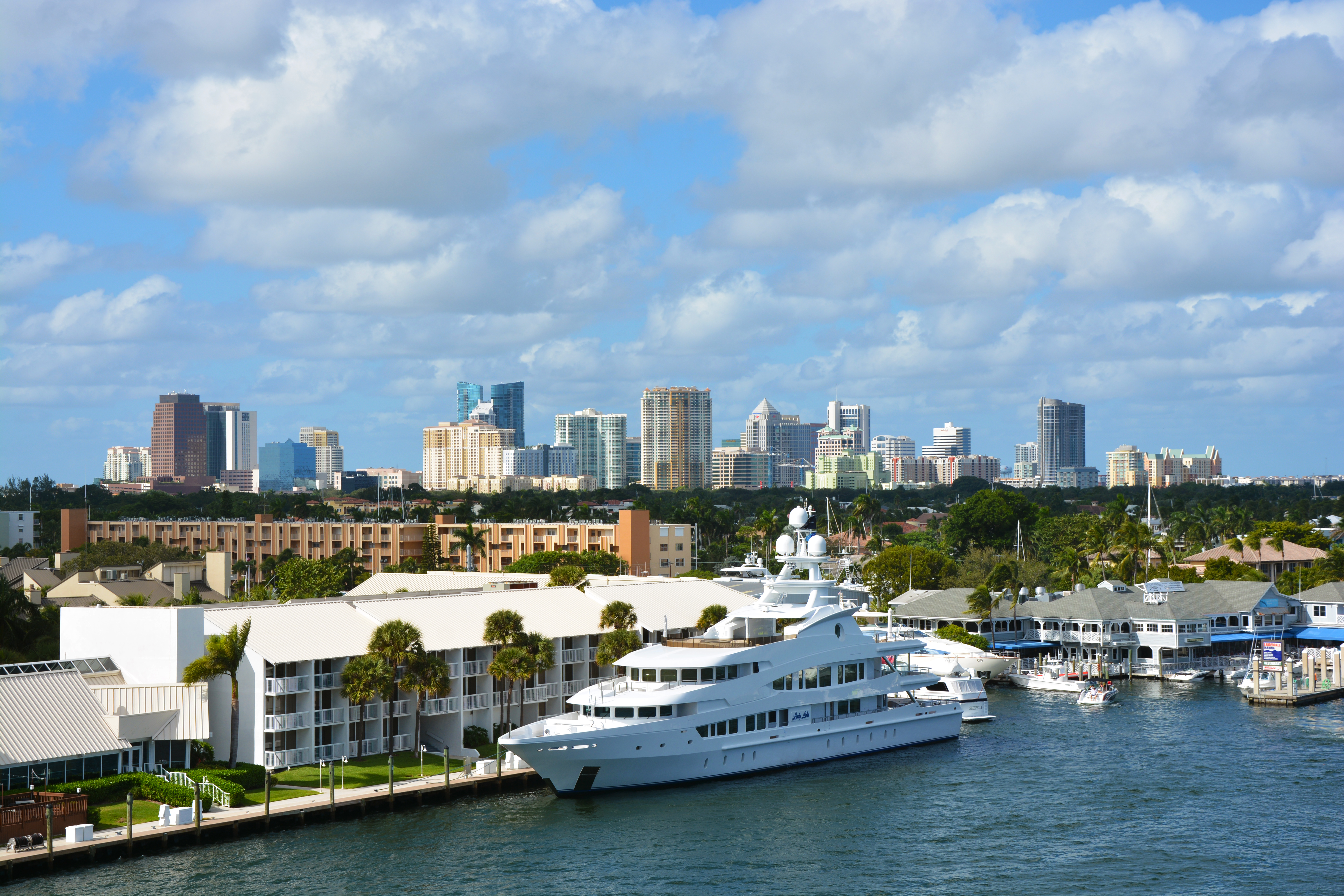
Fort Lauderdale's urban fabric is defined by its intricate network of inland waterways, canals, and the Intracoastal Waterway, which significantly shape its infrastructure and lifestyle. The city's geography, characterized by low-lying coastal plains and extensive mangrove wetlands, necessitates robust flood control systems and careful urban planning. Its economic engine is largely powered by tourism, with millions of visitors arriving annually via Fort Lauderdale-Hollywood International Airport and the Port Everglades cruise terminal. The city's governance operates under a commission-manager form, with a city commission and a city manager overseeing municipal operations, including public safety, utilities, and parks and recreation. The local economy is diversified beyond tourism, with significant contributions from the marine industry, finance, technology, and healthcare sectors, supported by institutions like Broward Health.
📊 Key Facts & Numbers
As of the 2020 census, Fort Lauderdale reported a population of 182,760 residents, making it the tenth most populous city in Florida. The city spans approximately 36.3 square miles (94.0 square kilometers) of land area, with an additional 23.7 square miles (61.4 square kilometers) of water. The median household income in 2022 was estimated at $72,000, with approximately 14.5% of residents living below the poverty line. Tourism is a colossal economic driver, with the city attracting over 13 million visitors annually, generating an estimated $10 billion in economic impact. Port Everglades handles over 3.7 million cruise passengers each year, and Fort Lauderdale-Hollywood International Airport services over 24 million passengers annually. The city boasts over 300 miles of navigable waterways, contributing to its status as a major hub for the marine industry, which generates an estimated $11.7 billion in economic activity for the region.
👥 Key People & Organizations
Key figures in Fort Lauderdale's history include Major William Lauderdale, after whom the city is named, though his direct involvement was limited to the military forts. Frank Stranahan, a pioneer who established a trading post in 1893 and played a crucial role in early development, is often considered a founding father. George W. English served as the city's first mayor following its incorporation in 1911. In more recent times, mayors like Dean Trantalis have guided the city's modern development and economic strategies. Key organizations include the Greater Fort Lauderdale Chamber of Commerce, which advocates for local businesses, and the Greater Fort Lauderdale Convention & Visitors Bureau, responsible for promoting tourism. The Broward County Board of County Commissioners oversees regional governance, impacting Fort Lauderdale's development and services.
🌍 Cultural Impact & Influence
Fort Lauderdale's cultural identity is deeply intertwined with its identity as a premier tourist destination and a hub for marine activities. The city gained significant cultural notoriety in the mid-20th century as the iconic setting for the 1960 film "Where the Boys Are," which cemented its image as a spring break mecca for college students. This association, while bringing immense economic benefits, also led to a perception of the city as solely a party destination, a stereotype it has worked to overcome. The city's extensive canal system has fostered a unique "Venice of America" vibe, influencing its architecture, real estate, and lifestyle. The NSU Art Museum Fort Lauderdale and the Bonnet House Museum & Gardens are significant cultural institutions, showcasing art and preserving historical estates. The city's vibrant LGBTQ+ community also contributes significantly to its cultural landscape, making it a popular destination for LGBTQ+ travelers.
⚡ Current State & Latest Developments
In the immediate present (2024-2025), Fort Lauderdale is navigating a period of significant urban redevelopment and economic diversification. The city is actively pursuing projects aimed at enhancing its downtown core and waterfront areas, including the ambitious "The Wave" streetcar project (though its future is debated) and ongoing upgrades to Port Everglades to accommodate larger vessels. Efforts are underway to attract higher-paying jobs in sectors like technology and finance, moving beyond a sole reliance on tourism. The city is also grappling with the impacts of climate change, investing in resilient infrastructure and coastal protection measures in response to rising sea levels and increased storm intensity. The ongoing expansion of Fort Lauderdale-Hollywood International Airport aims to boost its capacity and connectivity, further solidifying its role as a major gateway.
🤔 Controversies & Debates
Fort Lauderdale faces several ongoing controversies and debates. The most persistent is the tension between its identity as a major tourist destination and the desire for sustainable, year-round economic development. The legacy of rowdy spring break culture continues to be a point of contention, with city officials balancing economic benefits against concerns over public order and quality of life. Environmental issues are paramount, particularly regarding the impact of development on fragile coastal ecosystems and the challenges posed by rising sea levels and increased hurricane activity. Debates also surround urban planning and gentrification, as new developments and rising property values can displace long-term residents and alter the city's character. The effectiveness and future of large-scale infrastructure projects like the proposed Fort Lauderdale Wave streetcar remain subjects of intense public scrutiny and debate.
🔮 Future Outlook & Predictions
The future trajectory of Fort Lauderdale appears to be one of continued evolution, driven by economic diversification and climate resilience. Projections suggest a sustained growth in population and economic output, with a strategic focus on attracting technology and corporate headquarters. The city is investing heavily in infrastructure designed to mitigate the impacts of climate change, including advanced stormwater management systems and coastal defense projects, aiming to position itself as a leader in urban resilience. The marine industry is expected to remain a cornerstone of the economy, with ongoing investments in Port Everglades and related businesses. Furthermore, the city is likely to continue its efforts to shed the "spring break" stereotype, cultivating a more sophisticated image as a year-round destination for culture, business, and luxury tourism, potentially attracting a more affluent demographic and further diversifying its visitor base beyond the traditional college student market.
💡 Practical Applications
Fort Lauderdale's primary practical application is as a global tourism and cruise ship destination. Its extensive canal system, spanning over 300 miles, serves as a vital tran
Key Facts
- Category
- place
- Type
- topic