
Contents
- 🧀 What Exactly *Is* Fondue?
- 🌍 Where Did This Melty Magic Come From?
- 🔥 The Modern Fondue Revival: Beyond Cheese
- 📍 Global Hubs & Local Flavors
- 💰 The Investment: Home vs. Restaurant
- ⭐ The Vibe: Communal, Cozy, or Chaotic?
- 🤔 Fondue Etiquette: Navigating the Pot
- 🚀 Where Fondue is Headed Next
- Frequently Asked Questions
- Related Topics
Overview
The fondue scene is a vibrant, often nostalgic, global subculture centered around the communal act of dipping food into a shared pot of melted cheese or chocolate. Originating in the Swiss Alps as a way to utilize aged cheese and stale bread during winter months, fondue has evolved from a peasant dish to a symbol of convivial dining and sophisticated social gatherings. Today, its presence spans from traditional Swiss restaurants and home dinner parties to niche online communities and themed events, demonstrating a remarkable cultural resilience. The scene is characterized by its ritualistic preparation, diverse regional variations, and a persistent allure that transcends generational divides, offering a unique blend of culinary tradition and social connection.
🧀 What Exactly *Is* Fondue?
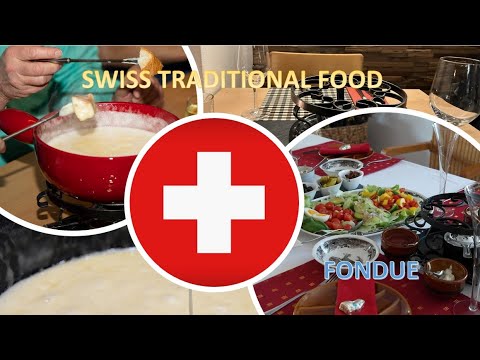
Fondue, at its heart, is a communal dish where diners dip pieces of bread, vegetables, or meats into a shared pot of melted cheese, oil, or chocolate. It's less a single dish and more a method of eating, fostering a unique social dynamic. The most iconic form is Swiss cheese fondue, a rich blend typically featuring Gruyère and Emmental cheeses, often spiked with kirsch and garlic. Beyond cheese, oil fondue (fondue chinoise or bourguignonne) involves dipping raw meat into simmering oil, while chocolate fondue is a dessert staple, perfect for fruits and pastries. This interactive dining experience makes it a standout in any culinary tradition.
🌍 Where Did This Melty Magic Come From?
The origins of fondue are debated, but its modern popularization is firmly rooted in Switzerland. Historically, it was a peasant dish, a way for Alpine communities to utilize stale bread and aged cheese during long winters, dating back to at least the 17th century. The Swiss Cheese Union, in the 1930s, actively promoted fondue as a national dish to boost cheese consumption, a brilliant piece of culinary diplomacy. This concerted effort cemented its image as a quintessential Swiss experience, spreading its appeal far beyond the Alps through Swiss expatriates and cultural exchange.
🔥 The Modern Fondue Revival: Beyond Cheese
While cheese fondue remains a classic, the 21st century has seen a significant expansion of the fondue scene. Chocolate fondue has become a ubiquitous dessert option in restaurants and homes worldwide, often featuring dark, milk, or white chocolate with various dipping accoutrements. Savory variations now include broth-based fondues (fondue chinoise) and even dessert fondues with fruit purees. The rise of artisanal cheese and craft chocolate has also led to more sophisticated and experimental cheese and chocolate blends, pushing the boundaries of what fondue can be.
📍 Global Hubs & Local Flavors
While Switzerland remains the spiritual home, fondue has found dedicated followings globally. Major cities like New York City, London, and Paris boast numerous fondue restaurants, often with distinct regional interpretations. In the United States, fondue parties became a significant social trend in the mid-20th century, particularly in the Midwest. You'll find dedicated fondue eateries in places as diverse as Tokyo, where Japanese chefs might incorporate local ingredients into their cheese blends, and even in parts of South America, adapting the concept to local produce.
💰 The Investment: Home vs. Restaurant
Setting up a fondue experience involves a choice: restaurant indulgence or home-based conviviality. Restaurant fondue can range from $25-$60 per person, offering convenience and a curated experience, often with extensive wine lists. Home fondue requires an initial investment in a fondue pot set, typically $50-$150, plus the cost of ingredients. While the upfront cost is higher for home setups, it allows for unlimited experimentation and can be far more economical for regular gatherings, turning a simple meal into a recurring social ritual.
⭐ The Vibe: Communal, Cozy, or Chaotic?
The 'vibe' of fondue is overwhelmingly communal and cozy. It's a dish that demands shared attention, slowing down the meal and encouraging conversation. This inherent intimacy makes it ideal for date nights or small gatherings. However, it can also lean towards chaotic fun, especially with larger groups or when the dipping gets enthusiastic. The warmth of the pot, the shared anticipation of the next dip, and the often rich, decadent flavors contribute to a feeling of comfort and shared enjoyment, a true comfort food experience.
🚀 Where Fondue is Headed Next
The future of fondue appears to be a blend of tradition and innovation. We're seeing a rise in vegan cheese alternatives and dairy-free chocolate fondues, making the experience more inclusive. Expect to see more fusion fondues incorporating global flavors, perhaps a Thai-inspired broth fondue or a Mexican mole chocolate fondue. The increasing popularity of interactive dining experiences suggests fondue will continue to thrive, with potential for even more specialized equipment and gourmet ingredient kits becoming readily available for home cooks.
Key Facts
- Year
- 1930
- Origin
- Switzerland
- Category
- Food & Drink Culture
- Type
- Subculture
Frequently Asked Questions
What's the best cheese for fondue?
The classic Swiss fondue relies on a blend of Gruyère and Emmental for their nutty, slightly sweet, and melting properties. For a richer flavor, consider adding a touch of Appenzeller or Vacherin Fribourgeois. The key is using firm, aged cheeses that melt smoothly without becoming oily. Many recipes also call for a splash of kirsch (cherry brandy) and a bit of cornstarch or flour to ensure a velvety texture. Experimentation with different cheese combinations is encouraged, but always start with quality, meltable cheeses.
Can I make fondue at home without a special pot?
Yes, you can adapt. A heavy-bottomed saucepan or a small slow cooker can work for cheese fondue, provided you can maintain a low, consistent heat. For oil fondue, a deep, heavy pot like a Dutch oven is essential for safety and even heating. Chocolate fondue is the easiest to adapt, often achievable in a double boiler or even a microwave-safe bowl with careful stirring. However, a dedicated fondue pot is designed for optimal heat distribution and presentation, making the experience smoother and more authentic.
What are the best things to dip in cheese fondue?
The undisputed champion is crusty bread, cut into bite-sized cubes. Beyond bread, consider blanched broccoli florets, baby potatoes, apple slices (the tartness cuts through the richness), pear chunks, and even small pieces of cooked sausage or ham. For a more adventurous palate, try pickled onions or gherkins. The goal is to have items that hold their shape and complement the savory, cheesy flavor without overwhelming it.
Is fondue healthy?
Fondue, particularly cheese and oil-based versions, is generally considered a rich and indulgent meal rather than a health food. It's high in fat and calories due to the cheese, oil, and often the bread or meat used for dipping. However, incorporating plenty of vegetables like broccoli, cauliflower, and cherry tomatoes can add nutritional value. Chocolate fondue, while a dessert, can be made healthier with dark chocolate and a focus on fruit dippers. It's best enjoyed in moderation as part of a balanced diet.
What drinks pair well with fondue?
For cheese fondue, dry white wines like a Swiss Fendant (Chasselas), Sauvignon Blanc, or Pinot Gris are classic pairings, as their acidity cuts through the richness. Light-bodied red wines can also work. For oil or broth fondues, a wider range of wines and beers are suitable. For chocolate fondue, dessert wines like Port or Sherry, or even a coffee liqueur, complement the sweetness. Always consider the specific ingredients of your fondue when choosing a beverage.