
Contents
Overview
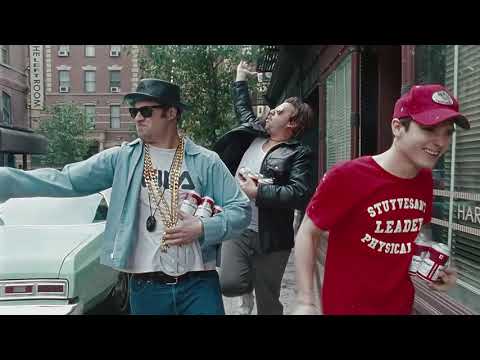
The phrase 'Fight for Your Right' resonates deeply within various contexts, from the iconic Beastie Boys anthem released in 1986 to broader social movements advocating for personal freedoms and rights. This cultural rallying cry has become synonymous with youth rebellion, challenging authority, and asserting individual rights against societal norms. The song itself, with its infectious beat and defiant lyrics, captured the spirit of a generation while also sparking debates about privilege, entitlement, and the nature of rebellion. As movements for social justice and personal autonomy continue to evolve, the call to 'fight for your right' remains relevant, prompting questions about who truly benefits from these struggles and what the future holds for advocacy and activism.
📜 Overview of the Movement
The Fight for Your Right movement, originating in the late 20th century, is a cultural and social campaign advocating for individual freedoms and rights, particularly in the context of youth culture and expression. It gained significant traction in the 1980s, propelled by the iconic Beastie Boys' song 'Fight for Your Right to Party,' which became an anthem for rebellion against authority and societal norms. This movement resonates with various demographics, especially young adults and marginalized groups seeking to assert their rights against oppressive structures Cultural Movements.
📍 Key Locations
Key locations for the Fight for Your Right movement include urban centers known for their vibrant youth cultures, such as New York City, Los Angeles, and Chicago. These cities have historically been hotbeds for activism and cultural expression. Events often take place in public spaces like parks and concert venues, where communities gather to celebrate freedom of expression and advocate for their rights. Notably, the Beastie Boys' roots in NYC played a pivotal role in shaping the movement's identity Urban Culture.
💰 Pricing & Access
Access to events related to the Fight for Your Right movement is typically free or donation-based, reflecting its grassroots nature. Concerts, rallies, and art exhibits often welcome attendees without a fee, although some larger events may charge for entry. This inclusivity is essential to the movement's ethos, ensuring that all voices can participate. For those interested in supporting the cause, merchandise like t-shirts and posters are often sold, with proceeds going to related charities Activism.
⭐ What People Say
Public sentiment about the Fight for Your Right movement is mixed, with many praising its role in promoting freedom and self-expression, while others criticize it for fostering a culture of rebellion without responsibility. Reviews on social media platforms often highlight personal experiences of empowerment and community, with hashtags like #FightForYourRight trending during significant events. Critics argue that the movement can sometimes glamorize irresponsible behavior, leading to a debate on the balance between freedom and accountability Social Media Culture.
🗓️ Key Events
Key events that have shaped the Fight for Your Right movement include the 1986 release of the Beastie Boys' song, which sparked a cultural phenomenon, and subsequent rallies in the 1990s advocating for youth rights. More recent events, such as the 2020 protests for racial justice, have seen the movement's principles applied to broader social issues, showcasing its adaptability and relevance in contemporary discourse. These events often draw thousands, highlighting the movement's enduring appeal Music History.
👥 Influential Figures
Influential figures in the Fight for Your Right movement include the Beastie Boys themselves, who not only popularized the movement through their music but also became advocates for various social causes later in their careers. Other notable figures include activists like Angela Davis and youth leaders from organizations such as the American Civil Liberties Union (ACLU), who have fought for civil rights and freedoms in various contexts. Their contributions have helped to shape the narrative around individual rights and freedoms Activists.
⚖️ Debates & Controversies
Debates surrounding the Fight for Your Right movement often center on the balance between freedom of expression and societal responsibility. Critics argue that the movement can sometimes promote hedonism and disregard for authority, while supporters contend that it empowers individuals to challenge oppressive systems. This tension is particularly evident in discussions about the portrayal of youth culture in media and the responsibilities that come with freedom. The movement's evolution continues to provoke discussions about its implications for future generations Youth Culture.
Key Facts
- Year
- 1986
- Origin
- United States
- Category
- Cultural Movements
- Type
- Cultural Phenomenon
Frequently Asked Questions
What is the main goal of the Fight for Your Right movement?
The primary goal of the Fight for Your Right movement is to advocate for individual freedoms and rights, particularly focusing on youth culture and expression. It seeks to empower marginalized voices and challenge oppressive societal norms, promoting a culture of self-expression and rebellion against authority.
How did the Beastie Boys influence this movement?
The Beastie Boys played a crucial role in popularizing the Fight for Your Right movement through their 1986 hit song 'Fight for Your Right to Party.' The song became an anthem for youth rebellion, encapsulating the spirit of the movement and inspiring generations to assert their rights and challenge societal expectations.
Are there any events associated with the Fight for Your Right movement?
Yes, there are numerous events associated with the Fight for Your Right movement, including concerts, rallies, and art exhibits. These events often take place in urban centers and are typically free or donation-based, allowing for broad community participation and expression.
What controversies exist within the Fight for Your Right movement?
Controversies within the Fight for Your Right movement often revolve around the balance between freedom of expression and societal responsibility. Critics argue that the movement can glamorize irresponsible behavior, while supporters maintain that it empowers individuals to challenge oppressive systems and advocate for their rights.
How can I get involved in the Fight for Your Right movement?
Getting involved in the Fight for Your Right movement can be done through participation in local events, supporting related organizations, and engaging in discussions about individual rights and freedoms. Following relevant social media accounts and joining activist groups can also provide opportunities for involvement and advocacy.