
Contents
- 📚 Introduction to Education Evolution
- 📊 History of Education: From Ancient Civilizations to Modern Times
- 📈 The Rise of Formal Education: Schools and Universities
- 📱 The Impact of Technology on Education: Online Learning and Beyond
- 🤝 The Role of Teachers and Trainers in Education Evolution
- 📊 The Economics of Education: Funding, Costs, and Returns
- 🌎 Global Perspectives on Education: Comparing Systems and Outcomes
- 📝 The Future of Education: Trends, Challenges, and Opportunities
- 📊 Assessing Education Quality: Metrics, Standards, and Accountability
- 📈 Education and the Workplace: Preparing Students for Career Success
- 🤝 Education and Society: The Broader Impact of Learning and Training
- Frequently Asked Questions
- Related Topics
Overview
The education and training landscape has undergone significant transformations over the years, driven by advances in technology, changing workforce demands, and shifting learner expectations. The rise of online learning platforms, such as Coursera and Udemy, has made it possible for people to access high-quality educational content from anywhere in the world. However, this shift has also raised concerns about the digital divide, equity, and the role of traditional institutions in the education ecosystem. According to a report by the International Labor Organization, the global e-learning market is projected to reach $325 billion by 2025, with the corporate sector being the largest beneficiary. As we move forward, it's essential to consider the implications of emerging technologies like AI, VR, and blockchain on the future of education and training. For instance, the use of AI-powered adaptive learning systems can help personalize learning experiences, while VR can enhance engagement and retention. Nevertheless, these innovations also pose challenges, such as ensuring data privacy and addressing the potential for job displacement.
📚 Introduction to Education Evolution
The evolution of education and training has been a long and winding road, marked by significant milestones and innovations. From ancient civilizations to modern times, education has played a crucial role in shaping societies and individuals. The history of education is a rich and complex topic, spanning thousands of years and numerous continents. As we explore the evolution of education, we must consider the contributions of key figures such as John Dewey and Maria Montessori, who have helped shape our understanding of learning and teaching. Today, education is more accessible than ever, with online learning platforms and MOOCs offering a wide range of courses and degree programs. However, despite these advances, many challenges persist, including issues of education equity and access to education.
📊 History of Education: From Ancient Civilizations to Modern Times
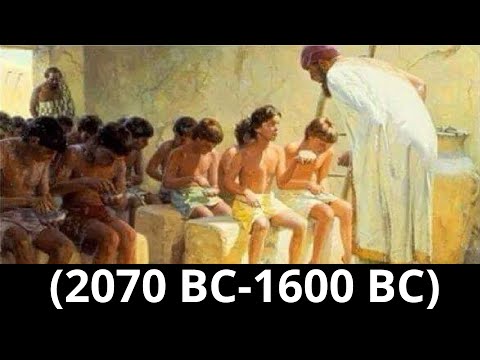
The history of education is a fascinating topic, filled with stories of ancient civilizations and their approaches to learning and teaching. In ancient Greece, for example, philosophy and rhetoric were highly valued, with famous philosophers like Plato and Aristotle making significant contributions to the field. Similarly, in ancient China, Confucius and his followers developed a rich tradition of Confucianism, which emphasized the importance of education and personal development. As we fast-forward to modern times, we see the rise of formal education, with the establishment of schools and universities becoming a cornerstone of modern society. However, this shift has also raised important questions about the cost of education and the value of education.
📈 The Rise of Formal Education: Schools and Universities
The rise of formal education has been a major driver of social and economic change, providing individuals with the skills and knowledge needed to succeed in an increasingly complex world. Formal education has also played a critical role in promoting social mobility and reducing poverty. However, the education system is not without its challenges, including issues of teacher shortages and funding shortfalls. To address these challenges, educators and policymakers are turning to innovative solutions, such as blended learning and competency-based education. Additionally, the use of education technology is becoming increasingly prevalent, with tools like learning management systems and adaptive assessments helping to personalize the learning experience. As we look to the future, it is clear that education reform will be an ongoing process, with a focus on improving education outcomes and promoting education equity.
📱 The Impact of Technology on Education: Online Learning and Beyond
The impact of technology on education has been profound, transforming the way we learn and teach. Online learning has made it possible for students to access high-quality educational content from anywhere in the world, at any time. This has been particularly beneficial for students who may not have had access to education otherwise, such as those living in rural areas or with disabilities. However, the rise of online learning has also raised important questions about the digital divide and the potential for educational inequality. To address these concerns, educators and policymakers are working to promote digital literacy and ensure that all students have access to the technology and resources they need to succeed. As we look to the future, it is clear that technology in education will continue to play a major role, with emerging trends like artificial intelligence in education and virtual reality in education holding great promise.
🤝 The Role of Teachers and Trainers in Education Evolution
The role of teachers and trainers in education evolution is critical, as they play a key role in shaping the learning experience and promoting student success. Teacher education and teacher training are essential for ensuring that educators have the skills and knowledge needed to effectively teach and support their students. However, the teacher shortage and teacher burnout are major concerns, with many educators leaving the profession due to lack of support and resources. To address these challenges, schools and districts are working to promote teacher wellness and provide educators with the professional development opportunities they need to succeed. Additionally, the use of mentorship programs and coaching can help to support new teachers and promote a culture of collaboration and innovation.
📊 The Economics of Education: Funding, Costs, and Returns
The economics of education is a complex and multifaceted topic, with significant implications for individuals, societies, and economies. The cost of education is a major concern, with many students and families struggling to afford the rising costs of tuition and fees. However, the benefits of education are well-documented, with educated individuals earning higher salaries and experiencing better health outcomes. To address the challenges of funding education, policymakers are exploring innovative solutions, such as income share agreements and education savings accounts. Additionally, the use of data and analytics can help to promote education efficiency and ensure that resources are being used effectively. As we look to the future, it is clear that the economics of education will continue to play a major role in shaping the education landscape.
🌎 Global Perspectives on Education: Comparing Systems and Outcomes
Global perspectives on education are essential for understanding the complexities and challenges of education in different contexts. Comparative education research has highlighted the importance of considering the social, cultural, and economic contexts in which education takes place. For example, in some countries, education is compulsory, while in others, it is not. Similarly, the structure of education systems can vary significantly, with some countries emphasizing vocational training and others prioritizing academic education. To promote global education, it is essential to consider the diverse needs and contexts of different countries and regions. This can involve international cooperation and the sharing of best practices, as well as a commitment to education for all.
📝 The Future of Education: Trends, Challenges, and Opportunities
The future of education is uncertain, but one thing is clear: it will be shaped by a complex interplay of technological, social, and economic factors. Emerging trends in education, such as personalized learning and competency-based education, hold great promise for improving education outcomes and promoting education equity. However, they also raise important questions about the role of technology in education and the potential for educational inequality. To address these challenges, educators and policymakers must work together to promote innovation in education and ensure that all students have access to the resources and support they need to succeed. As we look to the future, it is clear that education reform will be an ongoing process, with a focus on improving education quality and promoting education access.
📊 Assessing Education Quality: Metrics, Standards, and Accountability
Assessing education quality is a complex and multifaceted task, involving a range of metrics and indicators. Education accountability is essential for ensuring that schools and educators are meeting high standards and providing students with a high-quality education. However, the over-reliance on standardized testing has been criticized for narrowing the curriculum and promoting a culture of teaching to the test. To address these concerns, educators and policymakers are working to develop more nuanced and comprehensive approaches to assessing education quality, including the use of performance tasks and project-based assessments. Additionally, the use of data and analytics can help to promote education efficiency and ensure that resources are being used effectively.
📈 Education and the Workplace: Preparing Students for Career Success
Education and the workplace are closely linked, with the skills and knowledge acquired through education playing a critical role in determining career success. Career and technical education is essential for preparing students for the demands of the modern workforce, with a focus on developing employability skills and promoting workforce development. However, the skills gap remains a major concern, with many employers reporting difficulty in finding qualified candidates to fill open positions. To address this challenge, educators and policymakers are working to promote work-based learning and apprenticeships, as well as developing innovative solutions like micro-credentials and badging.
🤝 Education and Society: The Broader Impact of Learning and Training
Education and society are closely intertwined, with the skills and knowledge acquired through education playing a critical role in shaping individual and collective well-being. Social-emotional learning is essential for promoting emotional intelligence and developing the soft skills needed to succeed in an increasingly complex world. However, the achievement gap remains a major concern, with many students from disadvantaged backgrounds struggling to access high-quality educational opportunities. To address this challenge, educators and policymakers are working to promote education equity and ensure that all students have access to the resources and support they need to succeed. Additionally, the use of community-based education and service learning can help to promote civic engagement and develop a sense of social responsibility.
Key Facts
- Year
- 2022
- Origin
- Global
- Category
- Education
- Type
- Concept
Frequently Asked Questions
What is the history of education?
The history of education is a long and complex topic, spanning thousands of years and numerous continents. From ancient civilizations to modern times, education has played a crucial role in shaping societies and individuals. The history of education is marked by significant milestones and innovations, including the development of philosophy and rhetoric in ancient Greece, the establishment of universities in medieval Europe, and the rise of formal education in the modern era.
What is the role of technology in education?
Technology has had a profound impact on education, transforming the way we learn and teach. Online learning has made it possible for students to access high-quality educational content from anywhere in the world, at any time. Additionally, the use of education technology has helped to personalize the learning experience, with tools like learning management systems and adaptive assessments helping to promote education efficiency. However, the rise of technology in education has also raised important questions about the digital divide and the potential for educational inequality.
What is the future of education?
The future of education is uncertain, but one thing is clear: it will be shaped by a complex interplay of technological, social, and economic factors. Emerging trends in education, such as personalized learning and competency-based education, hold great promise for improving education outcomes and promoting education equity. However, they also raise important questions about the role of technology in education and the potential for educational inequality.
What is the importance of education in society?
Education plays a critical role in shaping individual and collective well-being, with the skills and knowledge acquired through education playing a crucial role in determining career success and promoting social mobility. Additionally, education helps to promote civic engagement and develop a sense of social responsibility, which are essential for building strong, cohesive communities. However, the achievement gap remains a major concern, with many students from disadvantaged backgrounds struggling to access high-quality educational opportunities.
What is the role of teachers in education?
The role of teachers in education is critical, as they play a key role in shaping the learning experience and promoting student success. Teacher education and teacher training are essential for ensuring that educators have the skills and knowledge needed to effectively teach and support their students. However, the teacher shortage and teacher burnout are major concerns, with many educators leaving the profession due to lack of support and resources.
What is the impact of education on the economy?
The impact of education on the economy is significant, with educated individuals earning higher salaries and experiencing better health outcomes. Additionally, education helps to promote workforce development and economic growth, which are essential for building strong, prosperous economies. However, the cost of education is a major concern, with many students and families struggling to afford the rising costs of tuition and fees.
What is the relationship between education and technology?
The relationship between education and technology is complex and multifaceted, with technology playing a critical role in shaping the learning experience and promoting education efficiency. Online learning has made it possible for students to access high-quality educational content from anywhere in the world, at any time. However, the rise of technology in education has also raised important questions about the digital divide and the potential for educational inequality.