
Contents
Overview
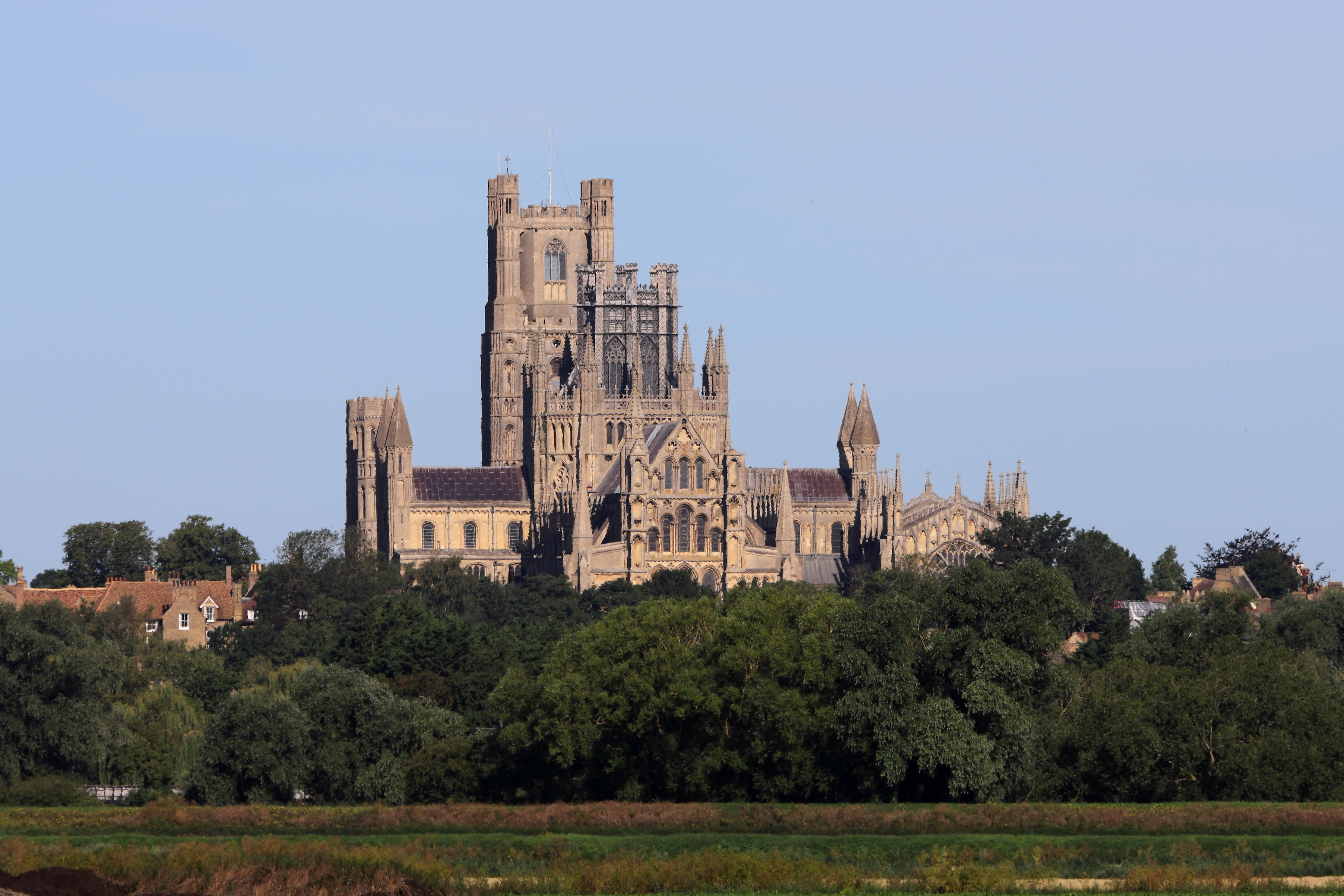
East Cambridgeshire, often locally dubbed 'East Cambs,' is a local government district nestled in the eastern reaches of Cambridgeshire, England. Its administrative heart beats within the ancient cathedral city of Ely, a hub of history and culture. Beyond Ely, the district encompasses the market towns of Littleport and Soham, alongside a significant swathe of the iconic Fens landscape, characterized by its flat terrain and intricate network of waterways. The district's geography is defined by its proximity to neighbouring authorities including South Cambridgeshire, Huntingdonshire, Fenland, King's Lynn and West Norfolk, and West Suffolk, shaping its economic and social connections.
🎵 Origins & History
The district merged the previous Ely Rural District and the City of Ely Urban District. Drainage projects in the 17th century were notably championed by Sir Cornelius Vermuyden, which significantly altered the landscape and enabled agriculture. The City of Ely, with its magnificent cathedral, has long served as a focal point for the region, its ecclesiastical and administrative importance predating the modern district by many centuries. The towns of Littleport and Soham also boast long histories, with Soham notably being the birthplace of the influential musician Syd Barrett of Pink Floyd fame.
⚙️ How It Works
The primary governing body is the East Cambridgeshire District Council, responsible for a range of local services, including planning and development control, waste collection, housing, environmental health, and leisure facilities. Decisions are made by elected councillors representing various wards across the district. The district's governance structure reflects a layered approach, with local services managed at the district level and broader strategic planning and funding decisions occurring at the combined authority level.
📊 Key Facts & Numbers
The district's economy is a blend of agriculture, particularly in the Fens, and a growing service sector, with a significant portion of its workforce commuting to larger employment centers like Cambridge.
👥 Key People & Organizations
The primary governing body is the East Cambridgeshire District Council, led by a Chief Executive and elected councillors. Within the district's cultural fabric, Syd Barrett, the enigmatic co-founder of Pink Floyd, born in Soham, stands out as a significant cultural figure. Ely Cathedral itself is a major institution, managed by the Dean and Chapter of Ely. Local businesses and community groups, such as the Ely Museum and various agricultural cooperatives, also play vital roles in the district's social and economic landscape.
🌍 Cultural Impact & Influence
The cultural resonance of East Cambridgeshire is deeply tied to its unique landscape and history. The Fens themselves have inspired countless artists, writers, and musicians, their vast, flat expanses and intricate waterways offering a distinct aesthetic. The city of Ely, with its imposing cathedral, serves as a beacon of medieval architecture and religious heritage, drawing visitors and influencing regional identity. The legacy of Syd Barrett, born in Soham, has cemented the district's connection to the psychedelic rock movement of the 1960s and 70s, with fans often making pilgrimages to his hometown. Furthermore, the agricultural heritage of the Fens, shaped by centuries of drainage and cultivation, has fostered a distinct rural culture, reflected in local traditions, food, and community events. The district's influence extends to its role as a producer of key agricultural commodities, impacting the broader food supply chain within the UK.
⚡ Current State & Latest Developments
Discussions around renewable energy projects, including solar farms, are also prominent, reflecting a broader national push towards sustainability. The council is also focused on economic development strategies to support local businesses and attract investment, aiming to diversify the economy beyond its traditional agricultural base.
🤔 Controversies & Debates
One of the persistent debates surrounding East Cambridgeshire centers on the balance between development and preservation. As housing demand continues to rise, particularly in proximity to Cambridge, there is ongoing tension between the need for new construction and the desire to protect the district's distinctive rural character and the sensitive Fens environment. Critics argue that certain development proposals could irrevocably alter the landscape and strain local infrastructure. Another area of contention involves the funding and delivery of services by the East Cambridgeshire District Council, with questions often raised about efficiency and effectiveness, particularly in light of national austerity measures impacting local government budgets.
🔮 Future Outlook & Predictions
The future trajectory of East Cambridgeshire will likely be shaped by several key trends. Continued population growth, driven by its relative affordability and proximity to Cambridge, will necessitate careful urban planning and infrastructure investment. The district is poised to play a role in the transition to a greener economy, with potential for increased renewable energy generation and sustainable agricultural practices within the Fens. There is also speculation about potential further local government reforms, which could see changes to the structure and responsibilities of districts like East Cambs. The long-term impact of climate change on the Fens landscape, including potential flooding risks, will also require strategic adaptation and mitigation efforts.
💡 Practical Applications
The primary practical application of East Cambridgeshire as an entity is its function as a local administrative and governance unit. The East Cambridgeshire District Council provides essential public services such as waste management, planning approvals, and environmental protection, directly impacting the daily lives of its residents. The district's agricultural land, par
Key Facts
- Category
- place
- Type
- topic