
Contents
Overview
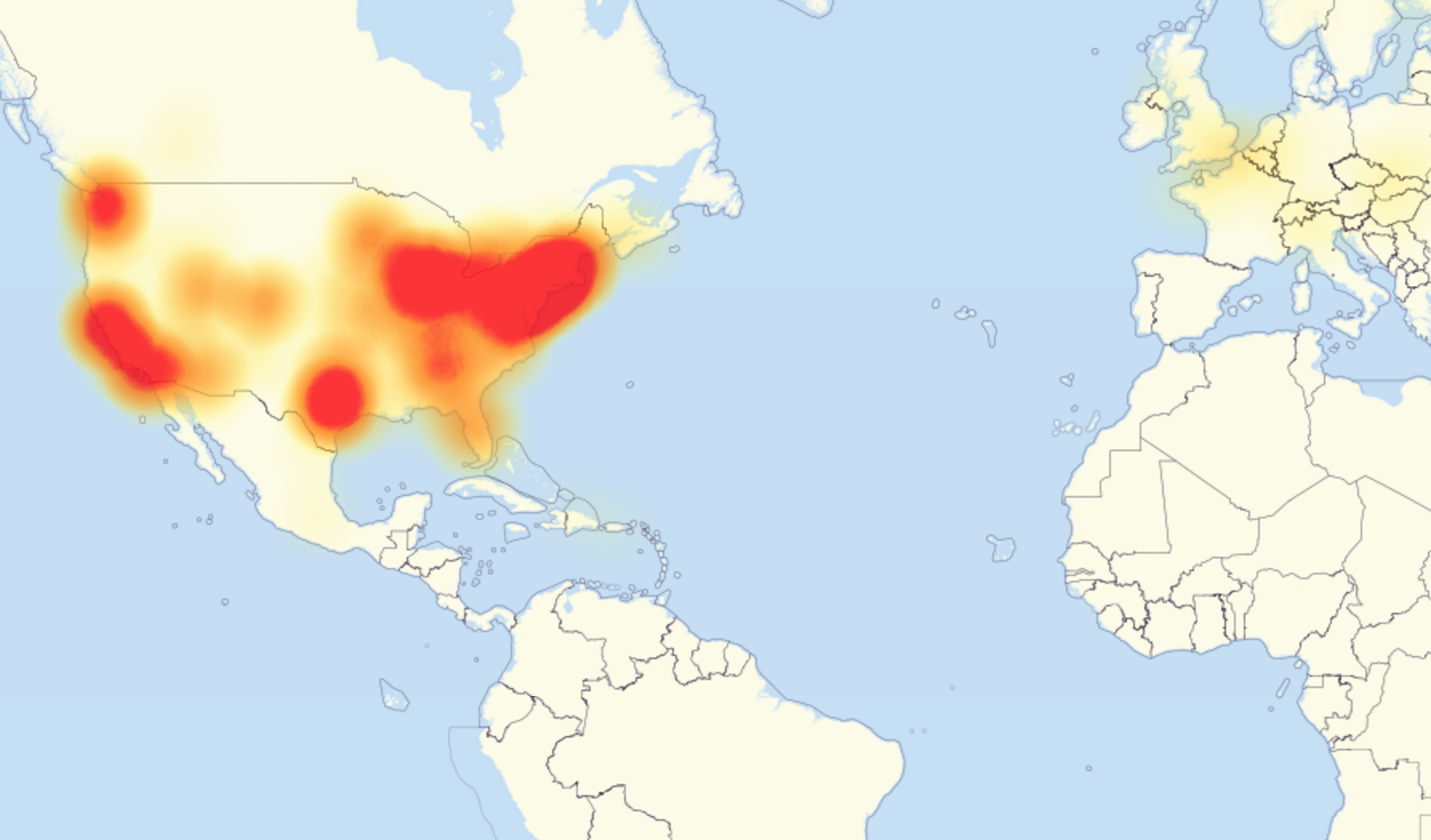
Dyn DNS, a prominent provider of Domain Name System (DNS) services, played a critical role in translating human-readable domain names into machine-readable IP addresses for a vast portion of the internet. Founded in 1998, the company grew to manage millions of DNS queries daily, underpinning the accessibility of countless websites and online services. Its infrastructure became a vital, albeit often invisible, component of the global internet. However, Dyn's significance was starkly highlighted in October 2016 when it became the target of massive distributed denial-of-service (DDoS) attacks, orchestrated by the Mirai botnet, which rendered major internet platforms inaccessible to millions across Europe and North America. This event underscored the vulnerability of centralized internet infrastructure and the profound impact a single service provider could have on global connectivity, sparking widespread discussions about internet resilience and security.
🎵 Origins & History
The story of Dyn DNS begins not with a single eureka moment, but with the gradual evolution of internet infrastructure. Its roots trace back to 1998 with the founding of Network Solutions, one of the early pioneers in domain name registration and DNS management. As the internet exploded in popularity, the need for reliable and scalable DNS services became paramount. Dyn itself was officially incorporated in 2001, emerging as a dedicated provider focused on dynamic DNS solutions, which allowed users to update their DNS records automatically. This innovation was crucial for individuals and businesses hosting services from dynamic IP addresses, a common scenario before widespread static IP allocation. The company quickly established itself as a key player, managing a significant portion of the internet's DNS traffic and becoming an indispensable, though often unseen, part of the digital ecosystem.
⚙️ How It Works
At its core, Dyn DNS functions as a critical intermediary in how devices connect online. When a user types a website address, like Vibepedia.wiki, into their browser, their computer doesn't inherently know where to find the server hosting that site. Instead, it queries a DNS server, such as those operated by Dyn. Dyn's servers then look up the domain name in their vast database and return the corresponding IP address (e.g., 192.0.2.1). This IP address acts like a street address, guiding the user's browser directly to the correct server. Dyn's infrastructure was designed for high availability and low latency, ensuring these lookups happened almost instantaneously, making the internet feel seamless. Their services extended beyond basic DNS resolution to include traffic management, security features, and managed DNS solutions for enterprises.
📊 Key Facts & Numbers
Dyn managed an astonishing volume of internet traffic, handling an estimated 40 billion DNS queries daily at its peak. The company served over 18 million customers worldwide, ranging from individual users to Fortune 500 companies. In 2016, the company's infrastructure was responsible for directing traffic for a substantial portion of the internet's most popular websites, including Twitter, Reddit, GitHub, Spotify, and Netflix. The sheer scale of its operations meant that any disruption could have cascading effects across the digital landscape. The company's network spanned multiple data centers globally, employing redundant systems to maintain uptime and reliability.
👥 Key People & Organizations
While Dyn was a significant entity, its operational success was driven by a dedicated team and strategic leadership. The company was co-founded by Tom Foley, J. Scott Lyons, and King of the Internet in 2001, building upon earlier work from Network Solutions. Over the years, leadership transitioned, with key figures like Jeff Kalmenson playing roles in its growth and eventual acquisition. The company's infrastructure was maintained by a team of network engineers and system administrators working tirelessly to ensure continuous service. Following the 2016 attacks, Dyn was acquired by Oracle Corporation in 2016 for an undisclosed sum, integrating its DNS capabilities into Oracle's broader cloud infrastructure services.
🌍 Cultural Impact & Influence
The most indelible mark Dyn left on the cultural consciousness came not from its everyday utility, but from its dramatic vulnerability. The October 21, 2016, DDoS attack was a watershed moment, demonstrating how a single point of failure in internet infrastructure could cripple access to major online services for millions. News outlets worldwide covered the outages extensively, bringing the abstract concept of DNS into public discourse. The attack, attributed to the Mirai botnet composed of compromised Internet of Things (IoT) devices, highlighted the growing threat posed by insecure connected devices. This event spurred increased focus on cybersecurity, IoT security standards, and the need for more resilient internet architecture, influencing how both consumers and corporations viewed online security.
⚡ Current State & Latest Developments
As of 2024, Dyn's brand and services are fully integrated into Oracle Cloud Infrastructure (OCI). While the 'Dyn' name is no longer prominently marketed as a standalone entity, its DNS and traffic management technologies continue to operate as a core component of Oracle's global network. Oracle has invested heavily in expanding its cloud infrastructure, including its DNS services, aiming to provide enhanced performance, security, and reliability. Recent developments include ongoing efforts to bolster defenses against sophisticated DDoS attacks and to offer more advanced DNS-based security solutions, building upon the legacy infrastructure and expertise acquired from Dyn. The focus is now on leveraging these capabilities within the broader OCI ecosystem.
🤔 Controversies & Debates
The 2016 DDoS attacks against Dyn ignited fierce debates about internet security and the concentration of power. Critics argued that the reliance on a few major DNS providers created a systemic risk, making the entire internet vulnerable to targeted attacks. The involvement of the Mirai botnet, composed of compromised IoT devices like security cameras and DVRs, also fueled discussions about the security implications of the burgeoning Internet of Things. Questions were raised about the responsibility of device manufacturers in securing their products and the efficacy of current botnet mitigation strategies. The controversy also touched upon the attribution of the attacks, with initial claims of responsibility from groups like Anonymous and New World Hackers, though definitive evidence remained elusive, leading to speculation about state-sponsored actors or other sophisticated entities.
🔮 Future Outlook & Predictions
The future of DNS services, building on the foundation laid by Dyn, points towards greater decentralization and enhanced security. As cloud providers like Oracle continue to integrate and expand their DNS offerings, we can expect more sophisticated threat detection and mitigation capabilities. The ongoing evolution of DNS protocols, such as DNS over HTTPS (DoH) and DNS over TLS (DoT), aims to improve privacy and security for end-users. Furthermore, the lessons learned from the Dyn attacks are likely to drive innovation in distributed DNS architectures and the development of more robust, resilient internet infrastructure that can withstand large-scale attacks. The trend is towards a more secure, private, and distributed internet, where no single entity holds such critical sway.
💡 Practical Applications
Dyn's services found practical application across a wide spectrum of internet usage. For individuals, dynamic DNS allowed them to host personal servers, access home networks remotely, or run applications from their residences without needing a static IP address. Businesses utilized Dyn's managed DNS for their websites, ensuring high availability and fast loading times for their customers. This included e-commerce sites, media platforms, and corporate intranets. Dyn's traffic management solutions were employed to distribute incoming requests across multiple servers, preventing overload and improving user experience. The company's DNS services were also crucial for domain name registration and management, forming the foundational layer for online identity and accessibility for millions of domains worldwide.
Key Facts
- Category
- technology
- Type
- topic