
Contents
- 🌎 Origins & History
- ⚙️ How It Works
- 📊 Key Facts & Numbers
- 👥 Key People & Organizations
- 🌍 Cultural Impact & Influence
- ⚡ Current State & Latest Developments
- 🤔 Controversies & Debates
- 🔮 Future Outlook & Predictions
- 💡 Practical Applications
- 📚 Related Topics & Deeper Reading
- Frequently Asked Questions
- References
- Related Topics
Overview
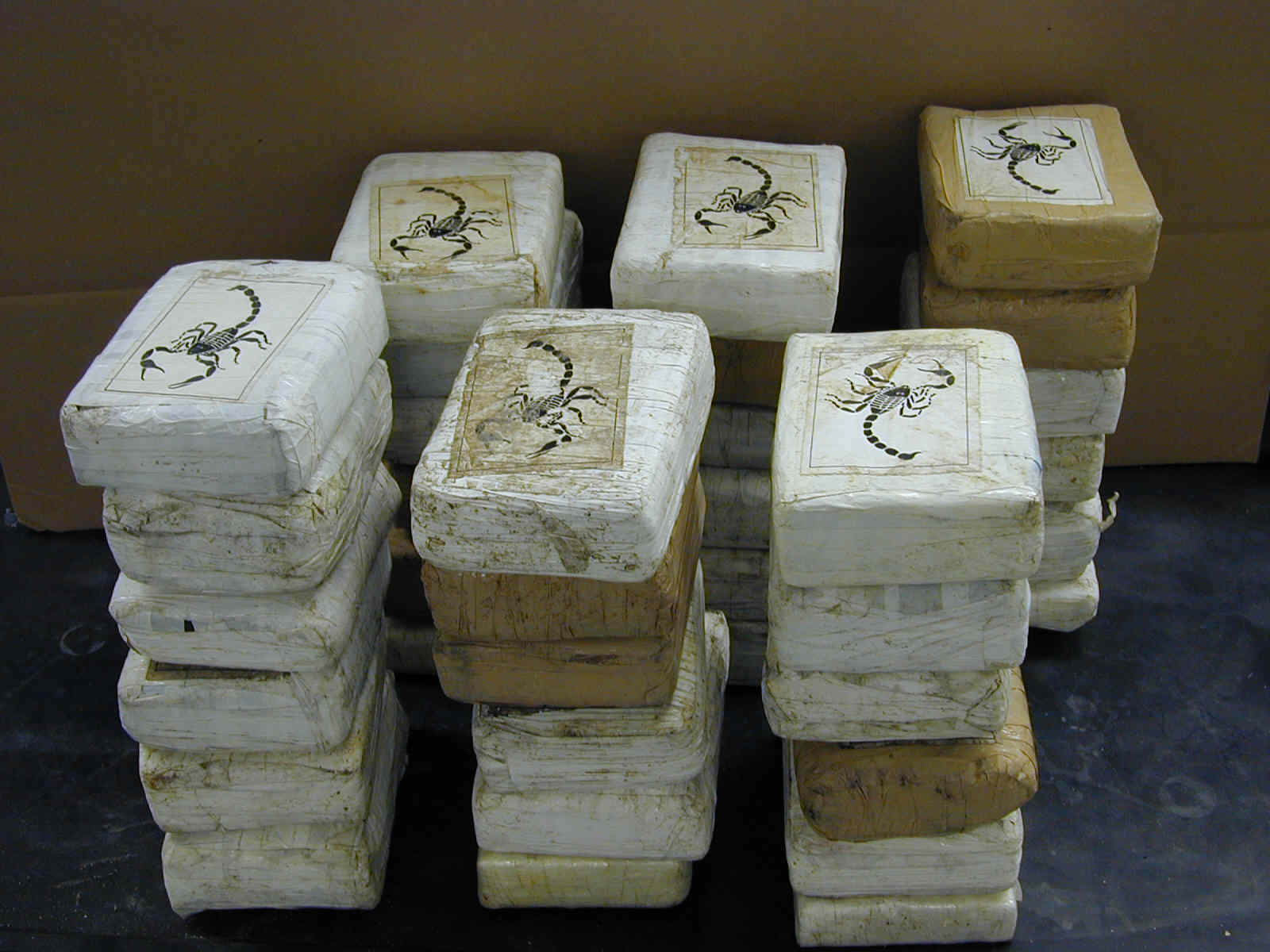
Drug trafficking, also known as the illegal drug trade or narcotrafficking, is a global black market that involves the cultivation, manufacture, distribution, and sale of prohibited drugs. With an estimated size of between $426 and $652 billion in 2014, according to the think tank Global Financial Integrity's Transnational Crime and the Developing World report, it accounts for nearly 1% of total global trade. The illegal drug trade is a complex issue that affects many countries and has significant social, economic, and health implications. It is driven by demand for illegal drugs, which are widely consumed globally, and is often linked to organized crime and corruption. Efforts to reduce drug consumption and disrupt the illegal drug trade are ongoing, but it remains a challenging problem for local authorities to address. The history of drug trafficking dates back to the early 20th century, with the establishment of the first drug prohibition laws, and has evolved over time with the rise of new technologies and global networks. Today, drug trafficking is a major concern for governments, law enforcement agencies, and public health officials around the world, with significant resources being devoted to combating the problem. The impact of drug trafficking on society is multifaceted, with consequences ranging from increased crime and violence to public health problems and economic instability.
🌎 Origins & History
The history of drug trafficking dates back to the early 20th century, with the establishment of the first drug prohibition laws. The Harrison Narcotics Tax Act of 1914 in the United States, for example, was one of the first laws to regulate the sale and distribution of narcotics. Since then, the illegal drug trade has evolved significantly, with the rise of new technologies and global networks. Today, drug trafficking is a major concern for governments, law enforcement agencies, and public health officials around the world, with significant resources being devoted to combating the problem. The United Nations Office on Drugs and Crime (UNODC) plays a key role in coordinating international efforts to address the issue.
⚙️ How It Works
The mechanics of drug trafficking are complex and involve a range of activities, from cultivation and manufacture to distribution and sale. The process typically involves a network of individuals and organizations, including farmers, manufacturers, distributors, and retailers. The Sinaloa Cartel, for example, is one of the most notorious drug trafficking organizations in the world, with operations spanning multiple countries. The use of money laundering and other financial crimes is also a key aspect of the illegal drug trade, with traffickers using various methods to conceal their profits and avoid detection.
📊 Key Facts & Numbers
The scale of the illegal drug trade is significant, with an estimated size of between $426 and $652 billion in 2014, according to the think tank Global Financial Integrity's Transnational Crime and the Developing World report. The Global Financial Integrity report also notes that the illegal drug trade accounts for nearly 1% of total global trade. The impact of drug trafficking on society is multifaceted, with consequences ranging from increased crime and violence to public health problems and economic instability. The World Health Organization (WHO) estimates that the use of illegal drugs results in significant health problems, including the spread of infectious diseases such as HIV and hepatitis.
👥 Key People & Organizations
Key people and organizations involved in the illegal drug trade include Joaquin Guzman, also known as El Chapo, who is one of the most notorious drug traffickers in the world. The National Police of Afghanistan and the Federal Bureau of Investigation (FBI) are also involved in efforts to combat the illegal drug trade. The United States Department of State provides funding and support for international efforts to address the issue, including the Merida Initiative, which aims to combat organized crime and drug trafficking in Mexico and Central America.
🌍 Cultural Impact & Influence
The cultural impact of drug trafficking is significant, with the illegal drug trade often linked to organized crime and corruption. The Netflix series Narcos, for example, tells the story of the rise and fall of the Medellin Cartel and its leader, Pablo Escobar. The show highlights the complex issues surrounding the illegal drug trade and the challenges faced by law enforcement agencies in addressing the problem. The Rolling Stone magazine has also covered the issue, with articles on the War on Drugs and its impact on society.
⚡ Current State & Latest Developments
The current state of the illegal drug trade is complex, with ongoing efforts to disrupt the trade and reduce drug consumption. The US Department of Justice has launched a number of initiatives aimed at combating the illegal drug trade, including the National Drug Control Strategy. The Europol agency is also involved in efforts to combat the illegal drug trade, with a focus on disrupting the supply chain and reducing the availability of illegal drugs. The Mexican government has also taken steps to address the issue, including the deployment of military personnel to combat organized crime and drug trafficking.
🤔 Controversies & Debates
The controversies surrounding the illegal drug trade are significant, with debates ranging from the effectiveness of prohibition laws to the impact of the War on Drugs. The Drug Policy Alliance argues that the War on Drugs has failed and that a new approach is needed, one that focuses on public health and harm reduction rather than punishment and prohibition. The Cato Institute also argues that the War on Drugs has been ineffective and that a more nuanced approach is needed, one that takes into account the complexities of the issue and the need for a balanced approach.
🔮 Future Outlook & Predictions
The future outlook for the illegal drug trade is uncertain, with ongoing efforts to disrupt the trade and reduce drug consumption. The UNODC predicts that the illegal drug trade will continue to evolve, with new technologies and global networks emerging. The WHO also predicts that the use of illegal drugs will continue to have significant health implications, including the spread of infectious diseases. The IMF estimates that the economic impact of the illegal drug trade will also continue to be significant, with the trade accounting for a substantial portion of global GDP.
💡 Practical Applications
The practical applications of addressing the illegal drug trade are significant, with a range of strategies and approaches being used to combat the problem. The harm reduction approach, for example, focuses on reducing the negative consequences of drug use, rather than punishing users. The drug treatment approach also focuses on providing support and services to those affected by drug addiction. The law enforcement approach, on the other hand, focuses on disrupting the supply chain and reducing the availability of illegal drugs.
Key Facts
- Year
- 2014
- Origin
- Global
- Category
- history
- Type
- phenomenon
Frequently Asked Questions
What is the estimated size of the global illicit drug market?
The estimated size of the global illicit drug market is between $426 and $652 billion, according to the think tank Global Financial Integrity's Transnational Crime and the Developing World report. This estimate is based on data from 2014 and may have changed since then. The report notes that the illegal drug trade accounts for nearly 1% of total global trade. The IMF also estimates that the economic impact of the illegal drug trade is significant, with the trade accounting for a substantial portion of global GDP.
What are the main consequences of the illegal drug trade?
The consequences of the illegal drug trade are multifaceted, ranging from increased crime and violence to public health problems and economic instability. The WHO estimates that the use of illegal drugs results in significant health problems, including the spread of infectious diseases such as HIV and hepatitis. The UNODC also notes that the trade is often linked to organized crime and corruption, which can have significant social and economic implications.
What is the current state of the War on Drugs?
The current state of the War on Drugs is complex, with ongoing efforts to disrupt the trade and reduce drug consumption. The US Department of Justice has launched a number of initiatives aimed at combating the illegal drug trade, including the National Drug Control Strategy. The Europol agency is also involved in efforts to combat the illegal drug trade, with a focus on disrupting the supply chain and reducing the availability of illegal drugs.
What are the main debates surrounding the illegal drug trade?
The main debates surrounding the illegal drug trade include the effectiveness of prohibition laws and the impact of the War on Drugs. The Drug Policy Alliance argues that the War on Drugs has failed and that a new approach is needed, one that focuses on public health and harm reduction rather than punishment and prohibition. The Cato Institute also argues that the War on Drugs has been ineffective and that a more nuanced approach is needed, one that takes into account the complexities of the issue and the need for a balanced approach.
What are the practical applications of addressing the illegal drug trade?
The practical applications of addressing the illegal drug trade include a range of strategies and approaches, such as harm reduction, drug treatment, and law enforcement. The harm reduction approach, for example, focuses on reducing the negative consequences of drug use, rather than punishing users. The drug treatment approach also focuses on providing support and services to those affected by drug addiction. The law enforcement approach, on the other hand, focuses on disrupting the supply chain and reducing the availability of illegal drugs.
What is the future outlook for the illegal drug trade?
The future outlook for the illegal drug trade is uncertain, with ongoing efforts to disrupt the trade and reduce drug consumption. The UNODC predicts that the illegal drug trade will continue to evolve, with new technologies and global networks emerging. The WHO also predicts that the use of illegal drugs will continue to have significant health implications, including the spread of infectious diseases. The IMF estimates that the economic impact of the illegal drug trade will also continue to be significant, with the trade accounting for a substantial portion of global GDP.
What are the related topics and deeper reading on the issue of drug trafficking?
Related topics and deeper reading on the issue of drug trafficking include the War on Drugs, the prohibition of drugs, and the organized crime groups involved in the trade. The globalization of the trade and the role of money laundering and other financial crimes are also important topics. The public health implications of the trade, including the spread of infectious diseases, are also a significant concern.