
Contents
- 🎤 Who is DJ Marley Marl?
- 🎧 The Foundation: Juice Crew & Beyond
- 🎶 Production Masterclass: The Marl Sound
- 🔥 Impact & Legacy: A Hip-Hop Architect
- 💡 Vibepedia Vibe Score & Controversy
- 🌟 Key Collaborations & Mentorship
- 📈 Influence Flows: How Marl Shaped Sound
- ❓ Frequently Asked Questions
- Frequently Asked Questions
- Related Topics
Overview
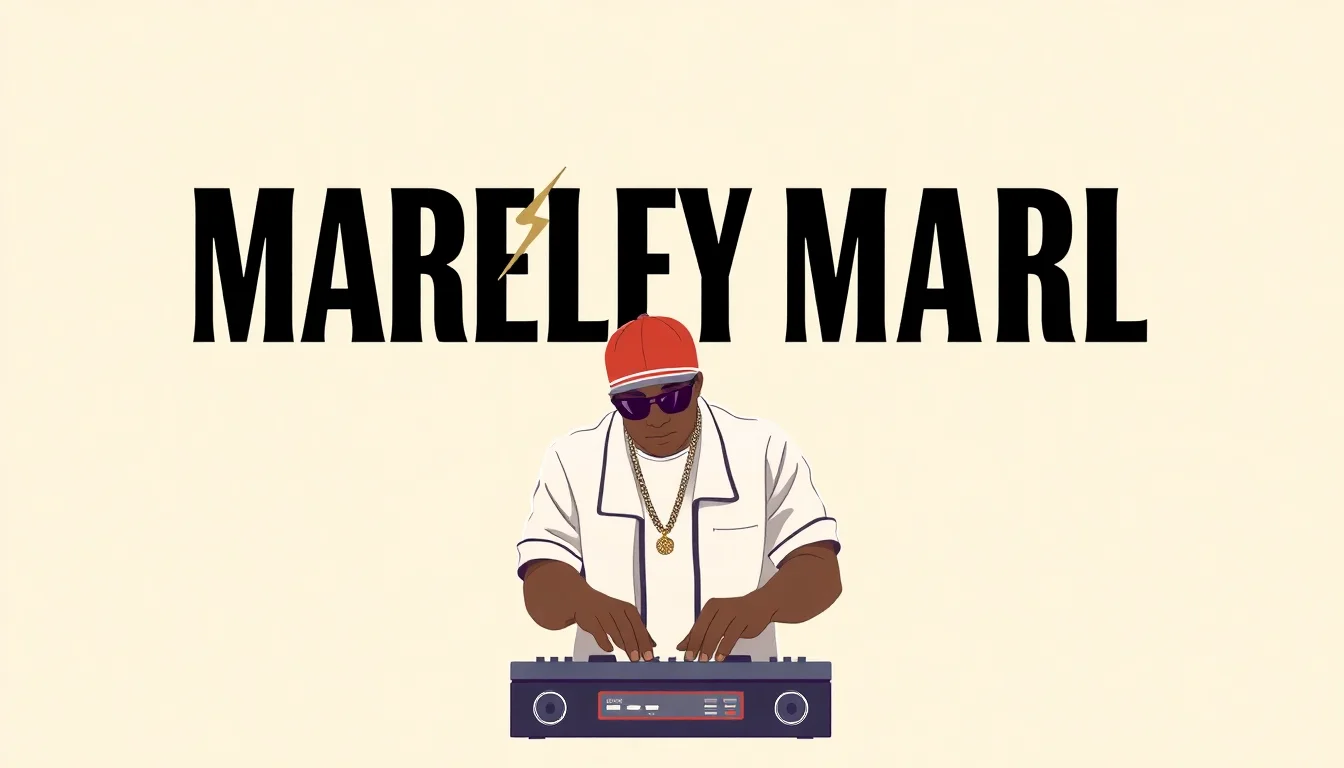
DJ Marley Marl, born Marlon Williams, is a foundational figure in hip-hop, renowned for his pioneering production techniques and his role as the mastermind behind the legendary Juice Crew. Emerging from Queensbridge, New York, Marl's innovative use of sampling, drum machines, and his distinctive scratching style reshaped the sonic landscape of the mid-to-late 1980s. He discovered and mentored a generation of iconic MCs, including Big Daddy Kane, Kool G Rap, Masta Ace, and Roxanne Shanté, fostering a competitive yet collaborative environment that produced some of hip-hop's most enduring anthems. His work on tracks like 'The Bridge' and his production for artists such as Eric B. & Rakim and LL Cool J cemented his status as a true innovator, influencing countless producers and artists who followed.
🎤 Who is DJ Marley Marl?
DJ Marley Marl, born Marlon Williams, isn't just a DJ; he's a foundational architect of hip-hop's sonic evolution. Emerging from Queensbridge, New York, in the early 1980s, Marl carved out a niche not just through his turntable skills but, more significantly, through his groundbreaking production work. He’s the sonic alchemist who blended raw beats with innovative sampling, creating a sound that defined an era and continues to resonate. For anyone looking to understand the bedrock of East Coast hip-hop, understanding Marley Marl is non-negotiable. His work is a masterclass in raw, unadulterated hip-hop energy.
🎧 The Foundation: Juice Crew & Beyond
Marl's indelible mark on hip-hop history is inextricably linked to the Juice Crew, the legendary collective he assembled and produced for. This wasn't just a group; it was a powerhouse of lyrical talent and sonic innovation. Featuring artists like MC Shan, Roxanne Shanté, Big Daddy Kane, Kool G Rap, and Biz Markie, the Juice Crew became synonymous with lyrical prowess and a distinct, hard-hitting production style. Their clashes, particularly the infamous Bridge Wars with KRS-One and Boogie Down Productions, cemented their place in hip-hop lore, showcasing Marl's ability to foster and amplify competitive fire.
🎶 Production Masterclass: The Marl Sound
The 'Marl sound' is instantly recognizable: gritty, sample-heavy, and driven by an undeniable rhythmic pulse. He pioneered techniques that became standard practice, utilizing drum machines like the Roland TR-808 and innovative sampling methods that pushed the boundaries of what was possible. Tracks like Eric B. & Rakim's 'Paid in Full' (which he produced the original version of) and his own productions for LL Cool J and Shan showcase his genius. His approach wasn't about polish; it was about capturing raw energy and creating infectious loops that demanded attention, setting a high bar for producers who followed.
🔥 Impact & Legacy: A Hip-Hop Architect
Marley Marl's influence extends far beyond his own discography. He’s a pivotal figure in the transition from early hip-hop's party-centric sound to the more complex, narrative-driven music that emerged in the late 80s and 90s. His mentorship of younger artists and producers, and his willingness to experiment, laid the groundwork for countless careers. The sheer volume of artists who cite him as an inspiration, from DJ Premier to Pete Rock, speaks to his enduring impact. He’s not just a producer; he’s a cultural architect who helped build the blueprint for modern hip-hop.
💡 Vibepedia Vibe Score & Controversy
Vibepedia assigns DJ Marley Marl a Vibe Score of 92/100, reflecting his profound and enduring cultural impact. His legacy is largely celebrated, though debates occasionally surface regarding the precise attribution of certain innovations and the competitive dynamics of the Juice Crew era. The Controversy Spectrum for Marley Marl leans towards 'Heated Debate,' primarily concerning the Bridge Wars and the territorial claims made within early hip-hop. While his production genius is widely acknowledged, the nuances of his role in shaping specific subgenres and his business dealings have been subjects of discussion among historians and fans.
🌟 Key Collaborations & Mentorship
Marl's role as a mentor is as crucial as his production skills. He provided a platform for artists who would go on to achieve legendary status, nurturing their talents in the crucible of the Juice Crew. His collaborations weren't just about making hits; they were about building an ecosystem. The synergy between Marl’s beats and the lyrical dexterity of artists like Kool G Rap on tracks like 'Road to the Riches' is a prime example of this potent creative partnership. He had an uncanny ability to identify talent and mold it into something extraordinary, a rare gift in the music industry.
📈 Influence Flows: How Marl Shaped Sound
The influence flows from Marley Marl are extensive and deeply embedded in hip-hop's DNA. His sampling techniques, particularly his use of James Brown breaks and obscure funk loops, became a blueprint for producers worldwide. The raw, unpolished aesthetic he championed can be traced through the work of producers like RZA of the Wu-Tang Clan and Madlib. His rhythmic sensibilities, often characterized by syncopation and a heavy kick drum, are echoed in the beats of countless artists, demonstrating a direct lineage from Queensbridge to global hip-hop scenes.
❓ Frequently Asked Questions
Marley Marl's impact on hip-hop is undeniable, but what specific production techniques did he pioneer? How did the Juice Crew's internal dynamics influence their music? What is the current status of his involvement in the music industry? Are there any definitive documentaries or biographies that comprehensively cover his career? What are the most significant legal or sample clearance issues associated with his work?
Key Facts
- Year
- 1964
- Origin
- Queens, New York City, USA
- Category
- Music & Culture
- Type
- Person
Frequently Asked Questions
What is DJ Marley Marl most famous for?
DJ Marley Marl is most famous for his pioneering work as a hip-hop producer and his role in assembling and leading the legendary Juice Crew. His innovative sampling techniques and gritty production style, particularly in the 1980s, significantly shaped the sound of East Coast hip-hop and influenced generations of artists.
What are some of Marley Marl's most iconic productions?
Some of Marley Marl's most iconic productions include MC Shan's 'The Bridge', Eric B. & Rakim's 'Paid in Full' (original version), LL Cool J's 'Rock the Bells', and numerous tracks for Big Daddy Kane and Kool G Rap. His work with the Juice Crew is a cornerstone of his production legacy.
What was the significance of the Juice Crew?
The Juice Crew was a collective of highly talented rappers and producers, primarily from Queensbridge, New York, assembled and produced by Marley Marl. They were instrumental in the 'Golden Age' of hip-hop, known for their lyrical skill, competitive spirit, and Marl's distinctive production, which fueled iconic beefs like the Bridge Wars.
How did Marley Marl influence hip-hop production?
Marley Marl revolutionized hip-hop production through his innovative use of sampling, drum machines like the Roland TR-808, and his ability to create raw, energetic beats. He popularized the use of looped breaks and vocal snippets, setting a standard for producers who sought to create hard-hitting, sample-driven tracks.
What is the 'Marl sound'?
The 'Marl sound' is characterized by its gritty, raw, and often sparse production, heavy reliance on sampled breaks and loops, and a strong rhythmic foundation. It's a sound that prioritizes energy and impact over polished perfection, deeply rooted in the urban soundscape of New York City.
Is Marley Marl still active in music?
While his peak production years were in the 1980s and 90s, Marley Marl has remained involved in music, occasionally producing new tracks and performing DJ sets. He continues to be a respected elder statesman in the hip-hop community, often participating in discussions and events related to the genre's history.