
Contents
- 🎵 Origins & History
- ⚙️ How It Works
- 📊 Key Facts & Numbers
- 👥 Key People & Organizations
- 🌍 Cultural Impact & Influence
- ⚡ Current State & Latest Developments
- 🤔 Controversies & Debates
- 🔮 Future Outlook & Predictions
- 💡 Practical Applications
- 📚 Related Topics & Deeper Reading
- Frequently Asked Questions
- Related Topics
Overview
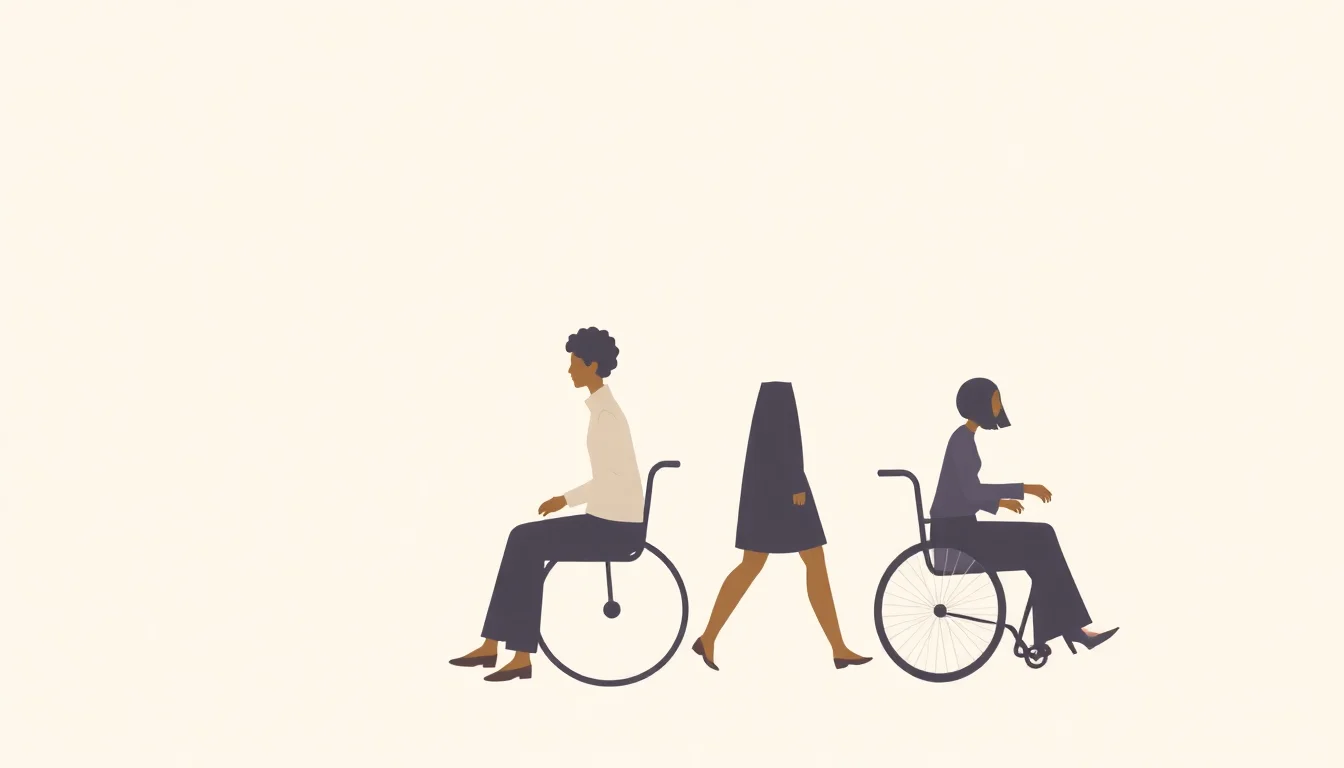
The disability rights movement is a global social movement that seeks to secure equal opportunities and equal rights for all disabled people. With a rich history dating back to the 1960s, the movement has made significant progress in promoting accessibility, independent living, employment equity, education, and housing for people with disabilities. However, despite these advancements, people with disabilities continue to face numerous barriers, including institutional, physical, and societal obstacles that prevent them from living their lives like other citizens. According to the World Health Organization (WHO), approximately 1 billion people worldwide live with some form of disability, and this number is expected to increase due to population growth and aging. The disability rights movement is complex, with multiple ways in which a disabled person's rights can be violated in different socio-political, cultural, and legal contexts. For instance, a common barrier that disabled individuals face is employment discrimination, with a study by the Equal Employment Opportunity Commission finding that people with disabilities are more likely to experience workplace discrimination. The movement has been shaped by key figures such as Judith Heumann, a pioneering disability rights activist who played a crucial role in the development of the Americans with Disabilities Act (ADA). As the movement continues to evolve, it is essential to recognize the importance of accessibility, inclusivity, and equal rights for people with disabilities, and to support organizations such as the Disability Rights Education and Defense Fund (DREDF) that work tirelessly to promote these values.
🎵 Origins & History
The disability rights movement has its roots in the 1960s, when activists such as Ed Roberts and Justin Dart began advocating for the rights of people with disabilities. The movement gained momentum in the 1970s and 1980s, with the establishment of organizations such as the National Organization on Disability (NOD) and the Disability Rights Education and Defense Fund (DREDF). Today, the movement is a global network of organizations and individuals working together to promote the rights of people with disabilities, with key events such as the UN Convention on the Rights of Persons with Disabilities (CRPD) playing a crucial role in shaping the movement's agenda.
⚙️ How It Works
The disability rights movement operates through a combination of grassroots activism, advocacy, and policy work. Organizations such as the American Association of People with Disabilities (AAPD) and the Disability Rights Education and Defense Fund (DREDF) work to promote the rights of people with disabilities through education, advocacy, and litigation. The movement also relies on the support of allies, such as family members, friends, and healthcare professionals, who can help to amplify the voices of people with disabilities and promote inclusivity and accessibility. For example, the ADA National Network provides resources and support to help individuals and organizations implement the Americans with Disabilities Act (ADA).
📊 Key Facts & Numbers
According to the World Health Organization (WHO), approximately 1 billion people worldwide live with some form of disability. In the United States, the Census Bureau reports that about 40 million people have a disability, with the most common types of disabilities being mobility, cognitive, and sensory disabilities. The disability rights movement has made significant progress in promoting accessibility and inclusivity, with the passage of landmark legislation such as the Americans with Disabilities Act (ADA) and the Rehabilitation Act. However, despite these advancements, people with disabilities continue to face significant barriers, including employment discrimination, lack of accessible housing, and inadequate healthcare. For instance, a study by the National Organization on Disability found that people with disabilities are more likely to experience poverty and unemployment than people without disabilities.
👥 Key People & Organizations
Key people in the disability rights movement include Judith Heumann, a pioneering disability rights activist who played a crucial role in the development of the Americans with Disabilities Act (ADA), and Ed Roberts, a disability rights activist who was one of the first students with a disability to attend the University of California, Berkeley. Organizations such as the Disability Rights Education and Defense Fund (DREDF) and the National Organization on Disability (NOD) are also critical to the movement, providing resources, support, and advocacy for people with disabilities. Additionally, companies such as Microsoft and Google are working to promote accessibility and inclusivity in the tech industry, with initiatives such as the Microsoft Accessibility program and the Google Accessibility team.
🌍 Cultural Impact & Influence
The disability rights movement has had a significant cultural impact, promoting inclusivity and accessibility in all aspects of society. The movement has also influenced the development of disability studies as an academic field, with scholars such as Rosemarie Garland-Thomson and Tobin Siegel contributing to the field. Furthermore, the movement has inspired the creation of disability-themed art, literature, and media, such as the Disability Visibility Project, which aims to promote disability representation and inclusion in the media. The movement has also been influenced by other social justice movements, such as the Civil Rights Movement and the Feminist Movement, with key figures such as Martin Luther King Jr. and Betty Friedan playing a role in shaping the movement's agenda.
⚡ Current State & Latest Developments
Today, the disability rights movement is more active than ever, with ongoing campaigns and initiatives to promote accessibility, inclusivity, and equal rights for people with disabilities. The movement is also becoming increasingly intersectional, recognizing the importance of addressing the multiple forms of oppression that people with disabilities may face, including racism, sexism, and homophobia. For example, the Disability Justice movement is working to promote disability rights and social justice, with a focus on addressing the intersectional needs of people with disabilities. The movement is also using social media and other digital platforms to amplify the voices of people with disabilities and promote disability awareness and inclusion, with hashtags such as #DisabilityRights and #AccessibilityMatters.
🤔 Controversies & Debates
Despite the progress that has been made, the disability rights movement is not without its controversies and debates. Some critics argue that the movement has become too focused on individual rights and has neglected the need for broader social change. Others argue that the movement has been co-opted by ableism and has lost sight of its radical roots. For example, the Ableism movement has been criticized for promoting a narrow and individualistic understanding of disability, which neglects the social and cultural factors that contribute to disability. The movement is also grappling with the challenge of representing the diversity of people with disabilities, including those with intellectual and developmental disabilities, and those from diverse racial and ethnic backgrounds. Additionally, the movement is working to address the issue of disability and poverty, which is a critical concern for many people with disabilities.
🔮 Future Outlook & Predictions
Looking to the future, the disability rights movement is likely to continue to evolve and adapt to the changing needs and contexts of people with disabilities. The movement will need to address the challenges posed by emerging technologies, such as artificial intelligence and biotechnology, and ensure that these technologies are developed and used in ways that promote accessibility and inclusivity. The movement will also need to continue to promote disability awareness and inclusion, and to challenge ableism and other forms of oppression that people with disabilities may face. For example, the World Institute on Disability is working to promote disability rights and social justice, with a focus on addressing the needs of people with disabilities in the context of emerging technologies. The movement will also need to build alliances with other social justice movements, such as the Environmental Movement and the Labor Movement, to promote a more just and equitable society for all.
💡 Practical Applications
The disability rights movement has many practical applications, from promoting accessibility in the built environment to advocating for inclusive education and employment policies. The movement has also inspired the development of new technologies and products, such as wheelchair-accessible vehicles and communication devices for people with disabilities. For example, the Toyota Motor Corporation has developed a range of accessible vehicles, including the Toyota RAV4, which features a wheelchair-accessible ramp. Additionally, the movement has promoted the development of disability-themed art, literature, and media, which can help to raise awareness and promote inclusion. The movement has also inspired the creation of disability-focused organizations, such as the Disability Rights Education and Defense Fund (DREDF), which provide resources and support for people with disabilities.
Key Facts
- Year
- 1960s
- Origin
- United States
- Category
- culture
- Type
- movement
Frequently Asked Questions
What is the disability rights movement?
The disability rights movement is a global social movement that seeks to secure equal opportunities and equal rights for all disabled people. The movement is made up of organizations of disability activists, also known as disability advocates, around the world working together with similar goals and demands, such as accessibility and safety in architecture, transportation, and the physical environment; equal opportunities in independent living, employment equity, education, and housing; and freedom from discrimination, abuse, neglect, and from other rights violations. For example, the Disability Rights Education and Defense Fund (DREDF) is a key organization in the movement, providing resources and support for people with disabilities.
What are some key issues in the disability rights movement?
Some key issues in the disability rights movement include accessibility, inclusivity, employment equity, education, and housing. The movement is also working to address the intersectional needs of people with disabilities, including those with intellectual and developmental disabilities, and those from diverse racial and ethnic backgrounds. For instance, the National Organization on Disability (NOD) is working to promote disability employment and education, with a focus on addressing the needs of people with disabilities in the workforce.
Who are some key figures in the disability rights movement?
Some key figures in the disability rights movement include Judith Heumann, a pioneering disability rights activist who played a crucial role in the development of the Americans with Disabilities Act (ADA), and Ed Roberts, a disability rights activist who was one of the first students with a disability to attend the University of California, Berkeley. Other key figures include Justin Dart, a disability rights activist who was a key leader in the movement, and Rosemarie Garland-Thomson, a scholar who has made significant contributions to the field of disability studies.
What is the current state of the disability rights movement?
The disability rights movement is currently more active than ever, with ongoing campaigns and initiatives to promote accessibility, inclusivity, and equal rights for people with disabilities. The movement is also becoming increasingly intersectional, recognizing the importance of addressing the multiple forms of oppression that people with disabilities may face, including racism, sexism, and homophobia. For example, the Disability Justice movement is working to promote disability rights and social justice, with a focus on addressing the intersectional needs of people with disabilities.
What are some practical applications of the disability rights movement?
Some practical applications of the disability rights movement include promoting accessibility in the built environment, advocating for inclusive education and employment policies, and developing new technologies and products that promote disability inclusion. For instance, the Toyota Motor Corporation has developed a range of accessible vehicles, including the Toyota RAV4, which features a wheelchair-accessible ramp. Additionally, the movement has promoted the development of disability-themed art, literature, and media, which can help to raise awareness and promote inclusion.
How can I get involved in the disability rights movement?
There are many ways to get involved in the disability rights movement, including volunteering with organizations such as the Disability Rights Education and Defense Fund (DREDF), participating in advocacy campaigns, and supporting disability-themed art and media. You can also learn more about the movement by reading books and articles, attending events and conferences, and connecting with disability activists and organizations on social media. For example, the Disability Visibility Project is a great resource for learning about disability representation and inclusion in the media.
What is the relationship between the disability rights movement and other social justice movements?
The disability rights movement is connected to a range of other social justice movements, including the Civil Rights Movement and the Feminist Movement. The movement has also been influenced by other social justice movements, such as the Environmental Movement and the Labor Movement. For instance, the American Civil Liberties Union (ACLU) has worked to promote disability rights and social justice, with a focus on addressing the intersectional needs of people with disabilities.
How can I support people with disabilities in my community?
There are many ways to support people with disabilities in your community, including volunteering with organizations that serve people with disabilities, advocating for accessible and inclusive policies and practices, and promoting disability awareness and inclusion. You can also learn more about disability issues and concerns by attending events and conferences, reading books and articles, and connecting with disability activists and organizations on social media. For example, the National Organization on Disability (NOD) provides resources and support for people with disabilities, including employment and education opportunities.
What are some key challenges facing the disability rights movement?
Some key challenges facing the disability rights movement include ableism and other forms of oppression, lack of accessibility and inclusivity, and limited resources and support. The movement is also working to address the intersectional needs of people with disabilities, including those with intellectual and developmental disabilities, and those from diverse racial and ethnic backgrounds. For instance, the Disability Justice movement is working to promote disability rights and social justice, with a focus on addressing the intersectional needs of people with disabilities.
How can I learn more about the disability rights movement?
There are many ways to learn more about the disability rights movement, including reading books and articles, attending events and conferences, and connecting with disability activists and organizations on social media. You can also learn more about the movement by volunteering with organizations that serve people with disabilities, participating in advocacy campaigns, and supporting disability-themed art and media. For example, the Disability Visibility Project is a great resource for learning about disability representation and inclusion in the media.