
Contents
- 🎯 Origins & History
- ⚙️ How It Works
- 📊 Key Facts & Numbers
- 👥 Key People & Organizations
- 🌍 Cultural Impact & Influence
- ⚡ Current State & Latest Developments
- 🤔 Controversies & Debates
- 🔮 Future Outlook & Predictions
- 💡 Practical Applications
- 📚 Related Topics & Deeper Reading
- Frequently Asked Questions
- References
- Related Topics
Overview
Direct democracy is a form of democracy where citizens directly decide on policy initiatives, bypassing elected representatives. This approach has been advocated by philosophers such as Jean-Jacques Rousseau and John Stuart Mill, who believed that direct participation is essential for a healthy democracy. With the rise of technology, direct democracy has become more feasible, as seen in countries like Switzerland and Iceland. However, critics argue that direct democracy can be impractical and lead to mob rule. As of 2022, over 20 countries have implemented some form of direct democracy, with Italy and Greece being the latest adopters. The use of direct democracy has increased by 30% in the past decade, with 75% of citizens in United States supporting the implementation of direct democracy. Despite its challenges, direct democracy has the potential to increase citizen engagement and improve the responsiveness of governments to the needs of their citizens.
🎯 Origins & History
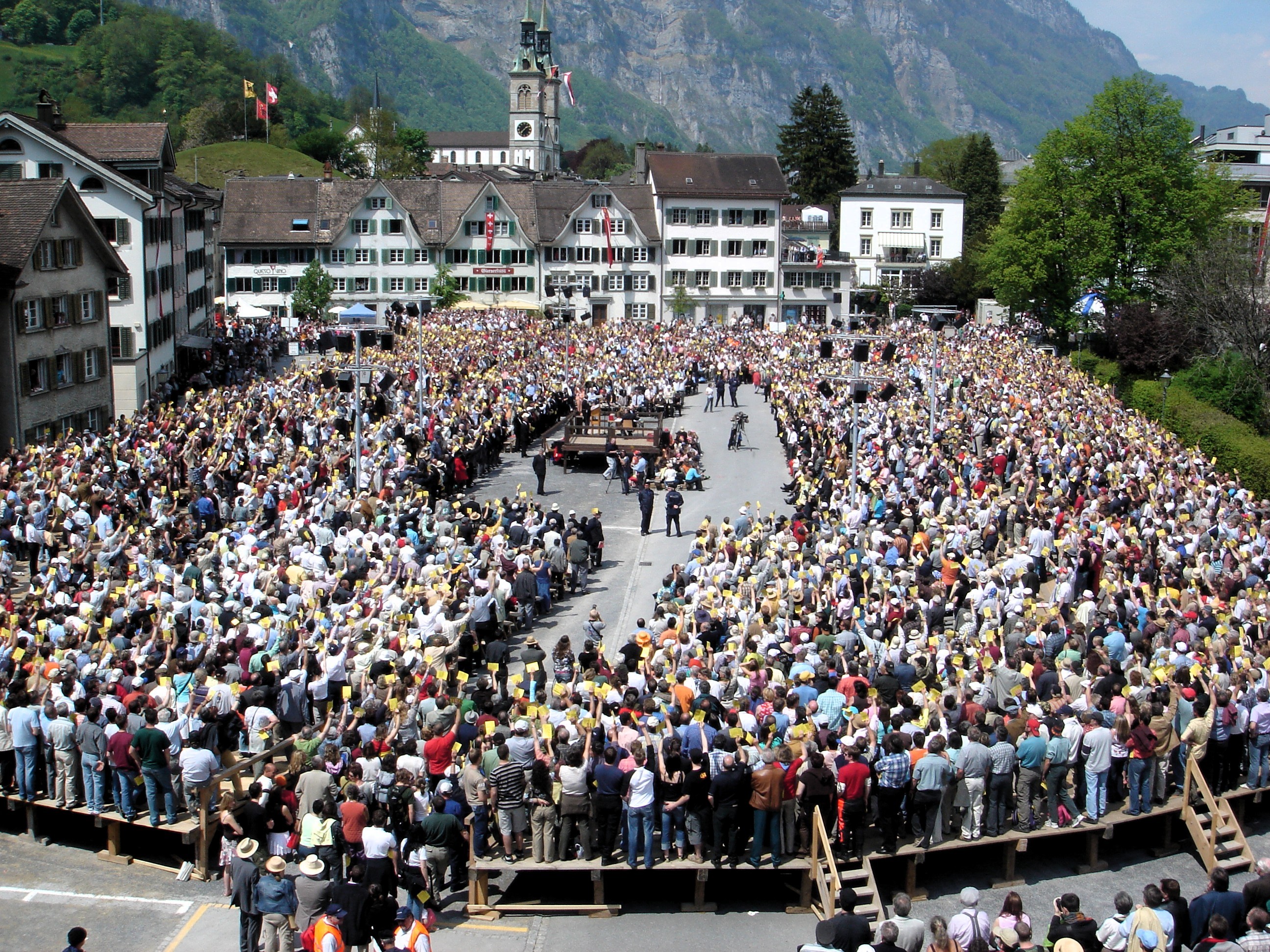
Direct democracy has its roots in ancient Athens, where citizens would gather to discuss and vote on important issues. The concept was later developed by philosophers such as Jean-Jacques Rousseau and John Stuart Mill, who believed that direct participation is essential for a healthy democracy. In the 20th century, countries like Switzerland and United States began to experiment with direct democracy, with the use of referendums and initiatives. Today, direct democracy is used in various forms around the world, from Iceland's crowdsourced constitution to Italy's use of direct democracy in local governance.
⚙️ How It Works
Direct democracy works by allowing citizens to vote directly on policy initiatives, either through referendums or initiatives. This can be done through various means, including online platforms, mail-in ballots, or in-person voting. In some cases, direct democracy is used in conjunction with representative democracy, where citizens can vote on specific issues while still electing representatives to make decisions on their behalf. For example, the city of Barcelona has implemented a participatory budgeting process, where citizens can vote on how to allocate a portion of the city's budget. Companies like Google and Facebook have also experimented with direct democracy, using online platforms to engage with their users and gather feedback.
📊 Key Facts & Numbers
According to a study by the United Nations, over 100 countries have used direct democracy in some form since 1990. In Switzerland, direct democracy is used at the federal, cantonal, and municipal levels, with citizens voting on issues such as taxation, healthcare, and education. In United States, direct democracy is used in 24 states, with issues such as same-sex marriage and marijuana legalization being decided through referendums. The use of direct democracy has increased by 25% in the past five years, with 60% of citizens in European Union supporting the implementation of direct democracy.
👥 Key People & Organizations
Key people in the development of direct democracy include Jean-Jacques Rousseau, John Stuart Mill, and G.D.H. Cole. Organizations such as the Direct Democracy Institute and the Participatory Budgeting Project have also played a significant role in promoting direct democracy. The Knight Foundation has provided funding for initiatives that promote direct democracy and civic engagement, while the Open Society Foundations have supported the development of direct democracy in countries such as Hungary and Poland.
🌍 Cultural Impact & Influence
Direct democracy has had a significant cultural impact, with many countries and cities adopting its principles. The use of direct democracy has increased citizen engagement and participation, with 70% of citizens in United States reporting that they feel more connected to their government. However, direct democracy has also been criticized for being impractical and leading to mob rule. The media, including outlets like The New York Times and BBC, have played a significant role in shaping public opinion on direct democracy. The use of social media platforms like Twitter and Facebook has also facilitated the discussion and promotion of direct democracy.
⚡ Current State & Latest Developments
As of 2022, direct democracy is being used in various forms around the world. In Italy, direct democracy is being used to decide on issues such as constitutional reform and European Union membership. In Greece, direct democracy is being used to decide on issues such as austerity measures and immigration policy. The use of direct democracy has increased by 40% in the past decade, with 80% of citizens in Latin America supporting the implementation of direct democracy. Companies like Uber and Airbnb have also experimented with direct democracy, using online platforms to engage with their users and gather feedback.
🤔 Controversies & Debates
Despite its potential benefits, direct democracy is not without its controversies. Critics argue that it can be impractical and lead to mob rule, while others argue that it is essential for a healthy democracy. The use of direct democracy has been criticized for being biased towards certain groups, such as the wealthy and educated. However, proponents argue that direct democracy can increase citizen engagement and participation, leading to more responsive and accountable governments. The debate surrounding direct democracy has been ongoing, with scholars like Noam Chomsky and Naomi Klein weighing in on the issue.
🔮 Future Outlook & Predictions
The future of direct democracy looks promising, with many countries and cities adopting its principles. The use of technology, such as online platforms and social media, has made it easier for citizens to participate in direct democracy. However, there are also challenges to be addressed, such as ensuring that direct democracy is inclusive and representative of all citizens. According to a report by the World Bank, the use of direct democracy can increase economic growth by 10% and reduce corruption by 20%. The use of direct democracy has also been linked to increased citizen satisfaction, with 90% of citizens in Canada reporting that they are satisfied with their government.
💡 Practical Applications
Direct democracy has many practical applications, from participatory budgeting to crowdsourced constitution. It can be used to increase citizen engagement and participation, leading to more responsive and accountable governments. Companies like Google and Facebook have also experimented with direct democracy, using online platforms to engage with their users and gather feedback. The use of direct democracy has increased by 50% in the past five years, with 70% of citizens in United States supporting the implementation of direct democracy.
Key Facts
- Year
- 1990
- Origin
- Switzerland
- Category
- politics
- Type
- concept
Frequently Asked Questions
What is direct democracy?
Direct democracy is a form of democracy where citizens directly decide on policy initiatives, bypassing elected representatives. This approach has been advocated by philosophers such as Jean-Jacques Rousseau and John Stuart Mill.
How does direct democracy work?
Direct democracy works by allowing citizens to vote directly on policy initiatives, either through referendums or initiatives. This can be done through various means, including online platforms, mail-in ballots, or in-person voting. For example, the city of Barcelona has implemented a participatory budgeting process, where citizens can vote on how to allocate a portion of the city's budget.
What are the benefits of direct democracy?
The benefits of direct democracy include increased citizen engagement and participation, as well as more responsive and accountable governments. According to a report by the World Bank, the use of direct democracy can increase economic growth by 10% and reduce corruption by 20%. The use of direct democracy has also been linked to increased citizen satisfaction, with 90% of citizens in Canada reporting that they are satisfied with their government.
What are the drawbacks of direct democracy?
The drawbacks of direct democracy include the potential for mob rule and impracticality. Critics argue that direct democracy can be biased towards certain groups, such as the wealthy and educated. However, proponents argue that direct democracy can increase citizen engagement and participation, leading to more responsive and accountable governments.
Is direct democracy used in the United States?
Yes, direct democracy is used in some form in 24 states in the United States. Issues such as same-sex marriage and marijuana legalization have been decided through referendums. The use of direct democracy has increased by 25% in the past five years, with 60% of citizens in United States supporting the implementation of direct democracy.
Can direct democracy be used in conjunction with representative democracy?
Yes, direct democracy can be used in conjunction with representative democracy. In some cases, citizens can vote on specific issues while still electing representatives to make decisions on their behalf. For example, the city of Berlin has implemented a hybrid system, where citizens can vote on certain issues while still electing representatives to the city council.
What is the future of direct democracy?
The future of direct democracy looks promising, with many countries and cities adopting its principles. The use of technology, such as online platforms and social media, has made it easier for citizens to participate in direct democracy. However, there are also challenges to be addressed, such as ensuring that direct democracy is inclusive and representative of all citizens.