
Contents
Overview
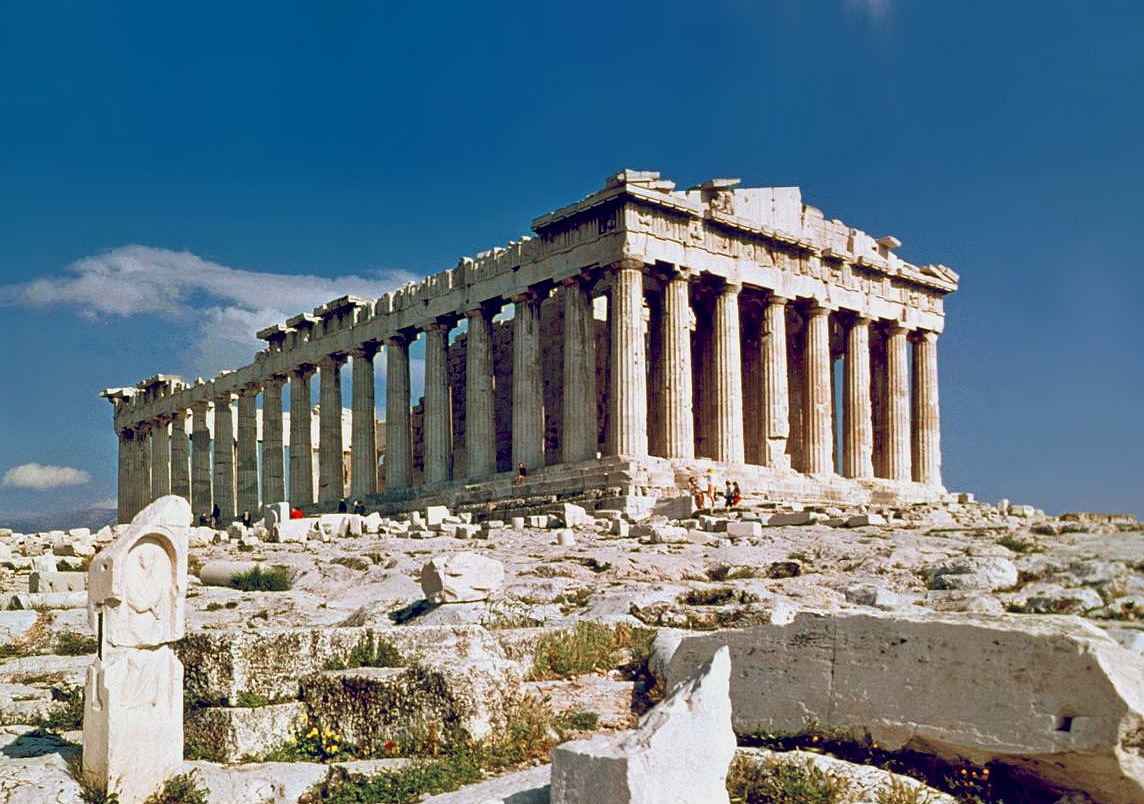
The conceptual roots of democratic governance stretch back to ancient Athenian democracy. However, this early form was exclusionary, denying participation to women, slaves, and foreigners. The Roman Republic, with its elected consuls and Senate, offered a model of representative governance, albeit one dominated by patrician elites. Medieval and early modern periods saw the gradual emergence of representative bodies like parliaments and estates, often in tension with monarchical power. Thinkers like John Locke articulated theories of natural rights and social contract, positing that governments derive their legitimacy from the consent of the governed. The American Revolution and the French Revolution were pivotal moments, attempting to institutionalize these ideals into written constitutions and republics, though the path to universal suffrage remained long and arduous, with significant milestones like the women's suffrage movements in the late 19th and early 20th centuries.
⚙️ How It Works
At its core, democratic governance operates through a framework of institutions and processes designed to translate the will of the people into public policy. This typically involves a separation of powers, often between legislative, executive, and judicial branches, to prevent the concentration of authority. Key mechanisms include regular, free, and fair elections for choosing representatives, the rule of law which ensures that everyone, including rulers, is subject to and accountable under the law, and the protection of civil liberties such as freedom of speech, assembly, and the press. Citizen participation can range from direct engagement in local governance to voting in national elections, engaging in activism, and holding elected officials accountable through various oversight mechanisms. The effectiveness of these mechanisms is often measured by indicators like voter turnout rates, the responsiveness of governments to public opinion, and the extent to which minority rights are protected against the potential for tyranny of the majority.
📊 Key Facts & Numbers
Globally, approximately 90 countries are classified as democracies, though the quality of these democracies varies significantly. In 2023, the Economist Intelligence Unit's Democracy Index reported that only 74 countries qualified as 'full democracies' or 'flawed democracies,' with the rest falling into 'hybrid regimes' or 'authoritarian regimes.' Voter turnout in established democracies can range from below 50% in some U.S. mid-term elections to over 80% in countries like Belgium (where voting is compulsory). The average government expenditure as a percentage of GDP in OECD democracies was around 40% in 2022. The number of elected representatives worldwide is in the millions, tasked with governing populations totaling billions. Despite these figures, only about 45% of the world's population currently lives in a democracy, a figure that has stagnated or slightly declined in recent years.
👥 Key People & Organizations
Foundational thinkers like Aristotle analyzed various forms of government, including democracy, in his work Politics. Pericles, an influential statesman of ancient Athens, championed its democratic ideals in his famous funeral oration. In the modern era, James Madison, often called the 'Father of the U.S. Constitution,' was instrumental in designing a representative republic, grappling with the challenges of factionalism. Nelson Mandela became a global icon of democratic transition, leading South Africa out of apartheid into a multiracial democracy. Organizations like the United Nations promote democratic principles through its charter and various programs, while bodies like the International Institute for Democracy and Electoral Assistance (International IDEA) provide research and support for democratic institutions worldwide. Think tanks such as Freedom House regularly publish reports assessing the state of democracy and human rights globally.
🌍 Cultural Impact & Influence
Democratic governance has profoundly shaped global culture, influencing everything from political discourse and artistic expression to the very concept of citizenship. The ideals of liberty, equality, and self-determination, central to democratic thought, have inspired countless movements for social justice and national liberation across the globe. Hollywood films often portray democratic struggles against authoritarianism, while literature frequently explores the complexities of individual freedom within societal structures. The rise of social media platforms like Twitter and Facebook has created new avenues for political participation and debate, though also for misinformation and polarization. The global spread of democratic norms has led to a greater emphasis on human rights and the rule of law, impacting international relations and trade agreements. However, the perceived failures or limitations of democratic systems have also fueled counter-movements and critiques, leading to a dynamic and often contentious cultural landscape.
⚡ Current State & Latest Developments
The current state of democratic governance is marked by both resilience and significant challenges. While new democracies continue to emerge, particularly in regions transitioning from authoritarian rule, established democracies are grappling with internal pressures. Rising political polarization in countries like the U.S. and Brazil has led to legislative gridlock and increased social division. The spread of disinformation and foreign interference in elections, often amplified by social media algorithms, poses a persistent threat to electoral integrity. Furthermore, a growing number of countries are exhibiting signs of democratic backsliding, where established democratic norms and institutions are being eroded from within, often by populist leaders. Organizations like V-Dem Institute reported in 2023 that the number of liberal democracies has fallen to its lowest level since 1986, with a significant increase in the number of autocratic states.
🤔 Controversies & Debates
The controversies surrounding democratic governance are as old as democracy itself. A perennial debate centers on the tension between majority rule and minority rights. Critics, from Plato to modern theorists, have warned of the 'tyranny of the majority,' where the will of the larger group can oppress smaller ones. The influence of money in politics, particularly through campaign finance laws and lobbying, raises questions about whether governments truly represent the people or powerful special interests. Debates also rage over the effectiveness of different electoral systems, such as first-past-the-post versus proportional representation, and their impact on political stability and representation. Furthermore, the rise of populism has challenged established democratic norms, with some populist leaders advocating for more direct, less institutionalized forms of popular will, often at the expense of checks and balances and minority protections. The question of whether democracy is the 'best' form of government, or merely the 'least bad,' remains a subject of ongoing philosophical and practical debate.
🔮 Future Outlook & Predictions
The future of democratic governance is uncertain, with competing forces shaping its trajectory. Futurists predict a continued struggle against authoritarianism and technological challenges like [[artificial intelligence|AI]-driv
Key Facts
- Category
- philosophy
- Type
- topic