
Contents
Overview
The concept of Decentralized Autonomous Organizations (DAOs) emerged alongside the rise of blockchain technology, particularly with the launch of Ethereum in 2015. Vitalik Buterin, the co-founder of Ethereum, envisioned a platform that could enable smart contracts, which are self-executing contracts with the terms of the agreement directly written into code. The first notable DAO, known as 'The DAO', was launched in 2016 and raised over $150 million in Ether before a vulnerability was exploited, leading to a significant split in the Ethereum community and the creation of Ethereum Classic. This incident highlighted both the potential and risks associated with DAOs, setting the stage for future developments in decentralized governance.
⚙️ How It Works
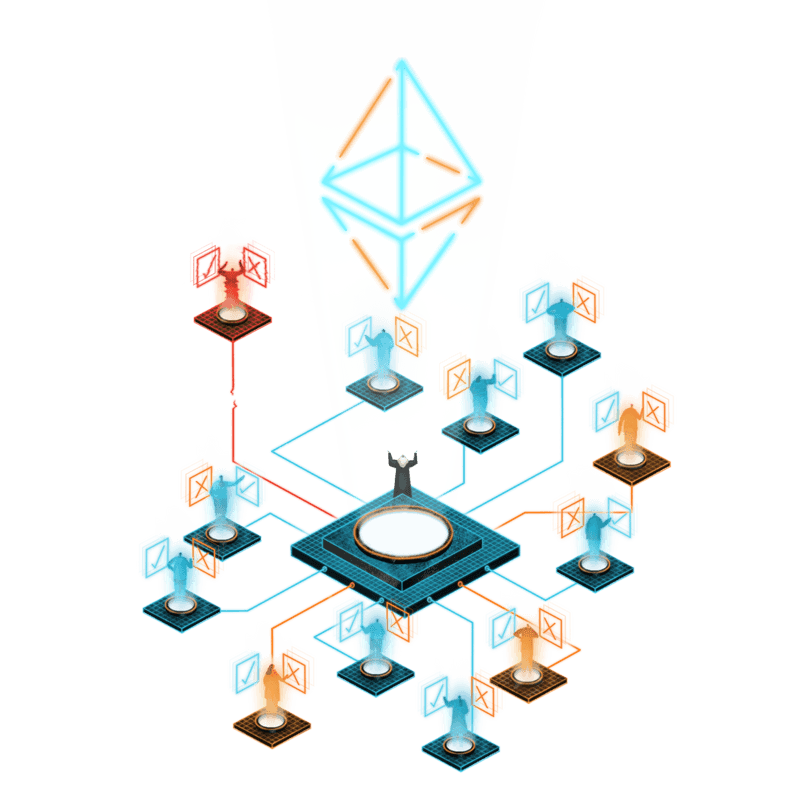
DAOs operate through smart contracts deployed on blockchain networks, allowing members to propose and vote on decisions without the need for intermediaries. Governance tokens, such as those used by MakerDAO or Compound, grant holders voting rights proportional to their stake, enabling them to influence decisions ranging from protocol upgrades to fund allocations. This structure fosters a sense of community and accountability, as seen in projects like Uniswap and Aave, which have successfully implemented DAO governance models. The transparency of blockchain technology ensures that all transactions and decisions are publicly verifiable, reducing the risk of corruption and mismanagement.
🌍 Cultural Impact
The cultural impact of DAOs has been profound, influencing various sectors including finance, art, and social movements. Projects like ConstitutionDAO aimed to purchase a rare copy of the U.S. Constitution, showcasing how collective action can mobilize resources for shared goals. Additionally, DAOs have empowered creators and artists through platforms like DAOstack and MolochDAO, allowing them to fund and support projects collaboratively. The rise of DAOs has also sparked discussions around the future of work and governance, as traditional organizational structures are challenged by these innovative models.
🔮 Legacy & Future
Looking ahead, the legacy of DAOs is poised to shape the future of decentralized governance and organizational structures. As more individuals and communities embrace blockchain technology, the potential for DAOs to disrupt traditional industries continues to grow. However, challenges such as regulatory scrutiny, security vulnerabilities, and the need for effective governance mechanisms remain critical areas for development. The evolution of DAOs will likely influence the broader discourse on decentralization and the role of technology in shaping democratic processes.
Key Facts
- Year
- 2015-present
- Origin
- Global, primarily within the blockchain community
- Category
- technology
- Type
- concept
Frequently Asked Questions
What is a DAO?
A DAO is a decentralized organization governed by smart contracts on a blockchain, allowing members to make decisions collectively.
How do DAOs make decisions?
DAOs use governance tokens to allow members to propose and vote on decisions, ensuring transparency and accountability.
What are some examples of DAOs?
Examples include MakerDAO, Uniswap, and MolochDAO, each with unique governance structures.
What are the risks associated with DAOs?
DAOs face risks such as security vulnerabilities in smart contracts and potential regulatory scrutiny.
How do DAOs differ from traditional organizations?
DAOs operate without centralized control, relying on community governance and blockchain technology for transparency.