
Contents
- 🎵 Origins & History
- ⚙️ How It Works
- 📊 Key Facts & Numbers
- 👥 Key People & Organizations
- 🌍 Cultural Impact & Influence
- ⚡ Current State & Latest Developments
- 🤔 Controversies & Debates
- 🔮 Future Outlook & Predictions
- 💡 Practical Applications
- 📚 Related Topics & Deeper Reading
- Frequently Asked Questions
- References
- Related Topics
Overview
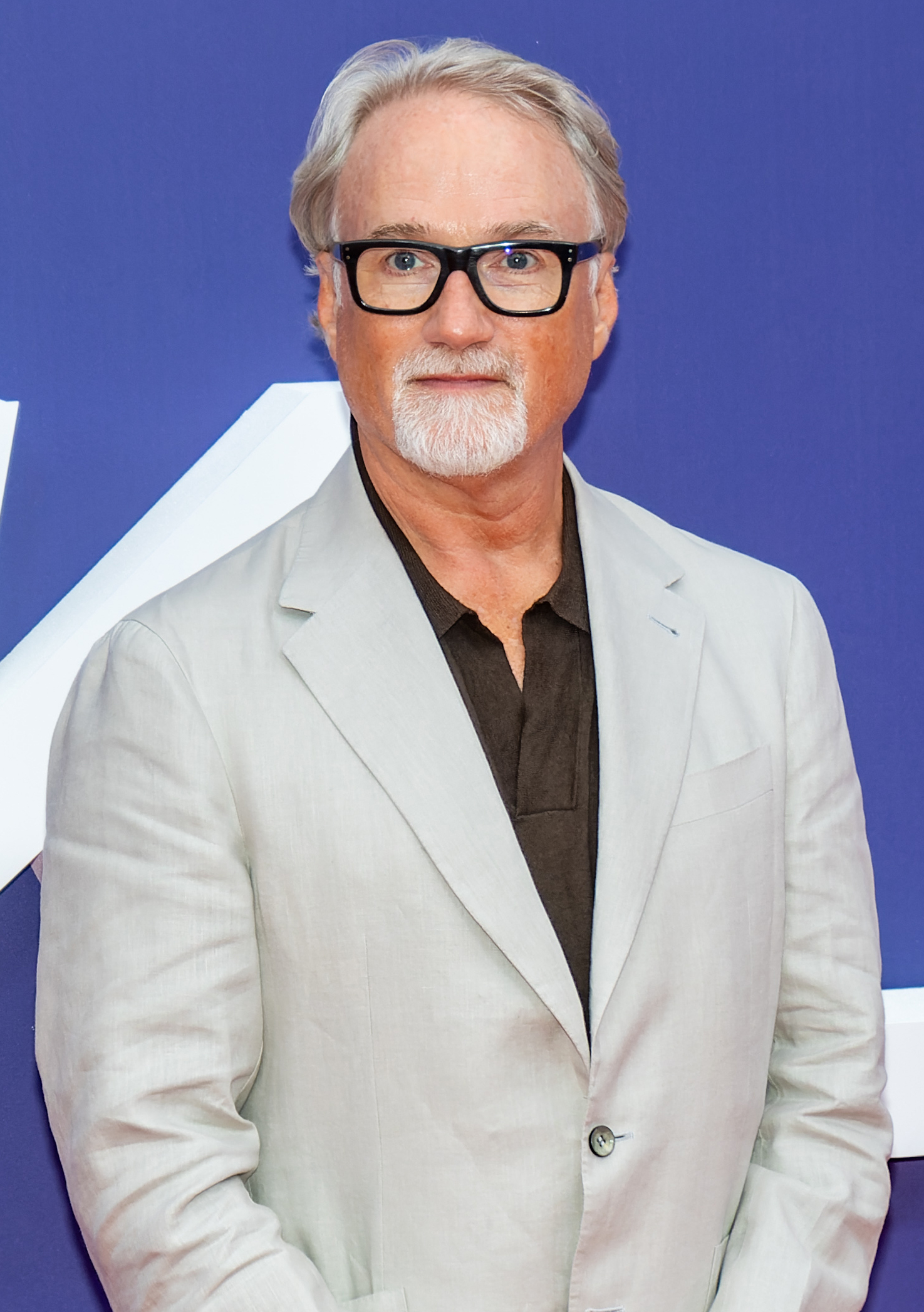
David Fincher is an American film director renowned for his dark, stylish, and psychologically intense cinematic works. Emerging from a background in music videos, Fincher's feature films, including Seven (1995), Fight Club (1999), and The Social Network (2010), are characterized by their meticulous visual precision, unsettling atmosphere, and unflinching exploration of societal alienation and human depravity. His directorial style, often described as 'cold' or 'clinical,' belies a profound empathy for his flawed characters and a sharp critique of contemporary culture. Fincher's work has garnered critical acclaim, multiple Academy Award nominations, and significant box office success, solidifying his status as one of the most influential filmmakers of his generation. He co-founded Propaganda Films in 1986, a pivotal early step in his career.
🎵 Origins & History
David Andrew Leo Fincher was born on August 28, 1962, in Denver, Colorado, to parents Jack and Clara Fincher. His father, Jack, was a film executive, a connection that likely sowed early seeds of interest in filmmaking. The family relocated to Los Angeles before moving to Ashland, Oregon, where Fincher attended Ashland High School. He dropped out at 18 to work for Industrial Light & Magic (ILM), George Lucas's visual effects company, a formative experience that honed his technical skills and visual sensibilities. In 1986, Fincher, alongside Kevin Baker and Josh Goldstein, co-founded Propaganda Films, a production company that would become a powerhouse in music videos and commercials, launching Fincher's directorial career into the stratosphere.
⚙️ How It Works
Fincher's directorial methodology is defined by an almost obsessive pursuit of control and perfection, particularly in his visual aesthetics. He is known for his extensive use of pre-visualization, storyboarding, and digital technology to meticulously plan every shot, often employing a cool, desaturated color palette and precise camera movements. His approach to performance emphasizes understated realism, drawing out nuanced portrayals from actors by focusing on psychological subtext rather than overt emotional displays. He frequently collaborates with the same key creatives, including cinematographer Jeff Cronenweth and editor Angus Wall, fostering a consistent visual language across his filmography. This rigorous process ensures a distinct, often unsettlingly polished, on-screen experience that immerses the viewer in the film's thematic concerns.
📊 Key Facts & Numbers
Fincher's directorial work has grossed over $2.1 billion worldwide, a testament to his commercial viability even with dark subject matter. His films have received 40 Academy Award nominations, including three for Fincher himself for Best Director for The Social Network, The Curious Case of Benjamin Button, and Mank. He has won four Primetime Emmy Awards, two Grammy Awards for Best Music Video, a BAFTA Award, and a Golden Globe Award. His 2007 film Zodiac is often cited as a masterpiece of procedural filmmaking, while Gone Girl (2014) was a critical and commercial success, earning over $369 million globally. His Netflix series Mindhunter (2017-2019) also garnered significant critical attention.
👥 Key People & Organizations
Beyond his immediate collaborators like cinematographer Jeff Cronenweth and editor Angus Wall, Fincher's career has been shaped by key figures and entities. His early work at Propaganda Films provided a crucial platform. He has frequently worked with actors such as Brad Pitt (on Seven and Fight Club) and Benjamin Carroll (on The Social Network and Gone Girl). His father, Jack Fincher, was a film executive, and his current spouse is Ceán Chaffin. Fincher's directorial output is often distributed by major studios like Warner Bros. and Paramount Pictures, and more recently, he has found a significant home for his projects at Netflix.
🌍 Cultural Impact & Influence
Fincher's influence on contemporary cinema is undeniable, particularly in the thriller and crime genres. His distinctive visual style, characterized by dark palettes, meticulous framing, and a sense of pervasive dread, has been emulated by countless filmmakers. Films like Seven redefined the serial killer thriller, while Fight Club became a cultural touchstone for a generation grappling with consumerism and identity. His work on House of Cards (2013) for Netflix also marked a significant moment in the rise of prestige television, showcasing his ability to translate his cinematic rigor to the episodic format. The pervasive cynicism and sharp social commentary in his films, from The Social Network's critique of ambition to Gone Girl's deconstruction of marriage, resonate deeply with modern anxieties.
⚡ Current State & Latest Developments
As of 2024, Fincher continues to be a prolific force in filmmaking, primarily through his partnership with Netflix. His latest directorial effort, The Killer (2023), starring Michael Fassbender, premiered on the streaming platform, showcasing his continued exploration of detached protagonists and meticulous execution. He remains committed to developing and directing projects that align with his distinct aesthetic and thematic interests. There is ongoing speculation about future projects, including potential continuations of his television work and further feature films, demonstrating a sustained career trajectory marked by consistent output and critical engagement.
🤔 Controversies & Debates
Fincher's films are frequently at the center of debates regarding their thematic content and perceived nihilism. Fight Club, in particular, has been criticized for glorifying violence and anti-establishment sentiments, leading to discussions about its potential to inspire dangerous ideologies. His detached, often bleak portrayals of human nature in films like Seven and Zodiac have also sparked conversations about whether his work offers genuine social critique or merely revels in darkness. Furthermore, his reputation for demanding perfection from his cast and crew has sometimes led to discussions about his on-set demeanor, though many collaborators praise his vision and dedication.
🔮 Future Outlook & Predictions
The future for David Fincher appears to be a continuation of his established trajectory, likely with a continued emphasis on his relationship with Netflix. Given the success of The Killer, it's probable he will continue to explore character-driven thrillers with complex, often morally ambiguous protagonists. There's also potential for him to revisit television, given the critical success of Mindhunter, though the show's future remains uncertain. As streaming platforms continue to evolve, Fincher's ability to deliver high-quality, auteur-driven content makes him a valuable asset, suggesting a sustained presence in the industry for years to come, potentially pushing the boundaries of narrative and visual storytelling within the streaming ecosystem.
💡 Practical Applications
Fincher's meticulous approach to filmmaking has practical applications beyond the silver screen. His work in music videos for artists like Madonna ('Express Yourself,' 'Vogue') and Michael Jackson ('Remember the Time') set new standards for visual storytelling in the medium, influencing generations of music video directors. His early commercial work also showcased his ability to convey complex narratives and moods efficiently. Furthermore, his expertise in visual effects and digital cinematography, honed at ILM and through his feature films, has contributed to advancements in production techniques across the industry. His influence can be seen in the visual language of numerous contemporary thrillers and dramas.
Key Facts
- Year
- 1962 (birth year)
- Origin
- Denver, Colorado, USA
- Category
- culture
- Type
- person
Frequently Asked Questions
What is David Fincher most known for?
David Fincher is most known for directing dark, stylish, and psychologically intense films such as Seven, Fight Club, Zodiac, and The Social Network. His work is characterized by meticulous visual precision, a cool, often desaturated aesthetic, and an unflinching exploration of societal alienation and human depravity. He has also directed acclaimed television series like House of Cards and Mindhunter.
How did David Fincher start his career?
David Fincher began his career working for Industrial Light & Magic (ILM) after dropping out of high school. He then co-founded Propaganda Films in 1986, where he directed numerous high-profile music videos for artists like Madonna and Michael Jackson. This success in music videos provided the foundation for his transition into feature filmmaking with his directorial debut, Alien 3 (1992).
What are the common themes in David Fincher's films?
Common themes in David Fincher's films include societal alienation, the dark side of human nature, obsession, the corrupting influence of technology and media, and the unreliability of perception. Characters often grapple with moral ambiguity, existential dread, and the consequences of their actions, frequently set against meticulously crafted, often sterile or decaying, urban environments. His narratives frequently dissect the underbelly of modern society, questioning its values and structures.
What is David Fincher's directorial style?
Fincher's directorial style is defined by its extreme precision and control. He is known for his meticulous pre-visualization, use of cool color palettes, precise camera movements, and a preference for understated performances that reveal psychological depth. His films often possess a distinct, polished, and sometimes unsettlingly clean aesthetic, even when depicting graphic violence or disturbing themes. This 'clinical' approach immerses the audience in the film's atmosphere and thematic concerns.
Why is David Fincher considered controversial?
David Fincher's work often courts controversy due to its bleak subject matter, graphic violence, and exploration of disturbing psychological themes. Films like Fight Club have faced criticism for potentially glorifying violence and anti-establishment ideologies, while others like Seven are noted for their grim depictions of crime and human depravity. Debates often arise about whether his films offer genuine social critique or simply indulge in darkness, and his reputation for demanding perfection has also led to discussions about his on-set methods.
Where can I watch David Fincher's latest work?
David Fincher's most recent directorial work, The Killer (2023), is available to stream on Netflix. His previous film, Mank (2020), was also a Netflix release. Many of his earlier films, such as Seven, Fight Club, and Zodiac, are available for rent or purchase on various digital platforms and may be available on subscription services depending on current licensing agreements.
What are David Fincher's upcoming projects?
While specific details are often kept under wraps, David Fincher is expected to continue his collaboration with Netflix for future projects. There is ongoing speculation about potential new feature films and the possibility of revisiting television, given the critical success of his series like Mindhunter. His consistent output suggests that new directorial efforts are likely in development, though official announcements typically follow his meticulous production schedule.