
Contents
- 🎵 Origins & History
- ⚙️ How It Works
- 📊 Key Facts & Numbers
- 👥 Key People & Organizations
- 🌍 Cultural Impact & Influence
- ⚡ Current State & Latest Developments
- 🤔 Controversies & Debates
- 🔮 Future Outlook & Predictions
- 💡 Practical Applications
- 📚 Related Topics & Deeper Reading
- Frequently Asked Questions
- References
- Related Topics
Overview
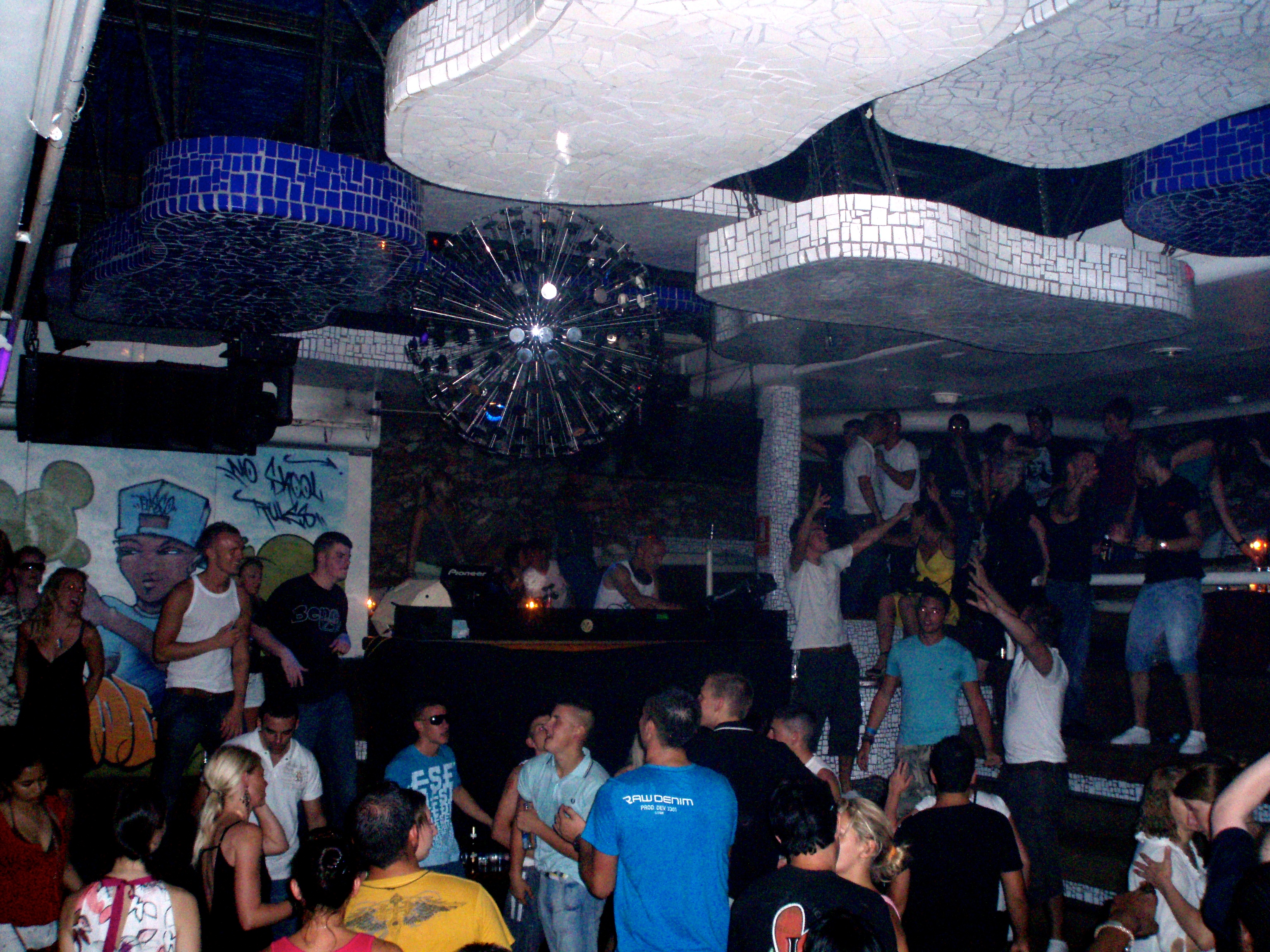
Dance music is a broad range of musical genres and styles specifically designed to accompany and facilitate dancing. The genre has evolved over centuries, incorporating various styles, instruments, and technologies. From traditional folk dances to modern electronic dance music (EDM), the genre has become a global phenomenon, with a vast array of sub-genres, festivals, and communities. With its unique ability to bring people together, dance music has become an integral part of human culture, transcending linguistic and geographical boundaries.
🎵 Origins & History
Origins paragraph — The earliest Western dance music that can be reproduced with certainty is old-fashioned dances, which were popular in the Baroque period. The major dance styles of this era included noble court dances, such as the minuet and the waltz, which were often performed at royal courts and aristocratic gatherings.
⚙️ How It Works
How it works — Dance music is characterized by its strong rhythmic beat, often accompanied by melodic and harmonic elements. The genre encompasses a wide range of styles, from traditional folk dances to modern electronic dance music (EDM). The production of dance music typically involves the use of digital audio workstations (DAWs), such as Ableton Live and FL Studio, and software plugins, such as Serum and Massive.
📊 Key Facts & Numbers
Key facts — Dance music is a global phenomenon, with a vast array of sub-genres and styles. The genre has become a significant part of modern popular culture, with many dance music festivals and events drawing millions of attendees worldwide.
👥 Key People & Organizations
Key people — The dance music genre has been shaped by a wide range of influential artists, producers, and DJs, including Calvin Harris, The Chainsmokers, and Tiësto.
🌍 Cultural Impact & Influence
Cultural impact — The rise of social media and streaming platforms has changed the way dance music is consumed and promoted, with many artists and DJs using these platforms to reach their audiences.
⚡ Current State & Latest Developments
Current state — The dance music genre is currently experiencing a period of significant growth and diversification, with new sub-genres and styles emerging all the time.
🤔 Controversies & Debates
Controversies — The dance music genre has been associated with various controversies, including concerns about noise pollution, crowd safety, and the use of illicit substances.
🔮 Future Outlook & Predictions
Future outlook — The future of dance music looks bright, with the genre continuing to evolve and diversify.
💡 Practical Applications
Practical applications — Dance music has a wide range of practical applications, from its use in fitness and exercise classes to its role in therapy and rehabilitation.
Key Facts
- Year
- 2020
- Origin
- Global
- Category
- culture
- Type
- genre
Frequently Asked Questions
What is dance music?
Dance music is a broad range of musical genres and styles specifically designed to accompany and facilitate dancing.
Who are some notable dance music artists?
Some notable dance music artists include Calvin Harris, The Chainsmokers, and Tiësto.