
Contents
Overview
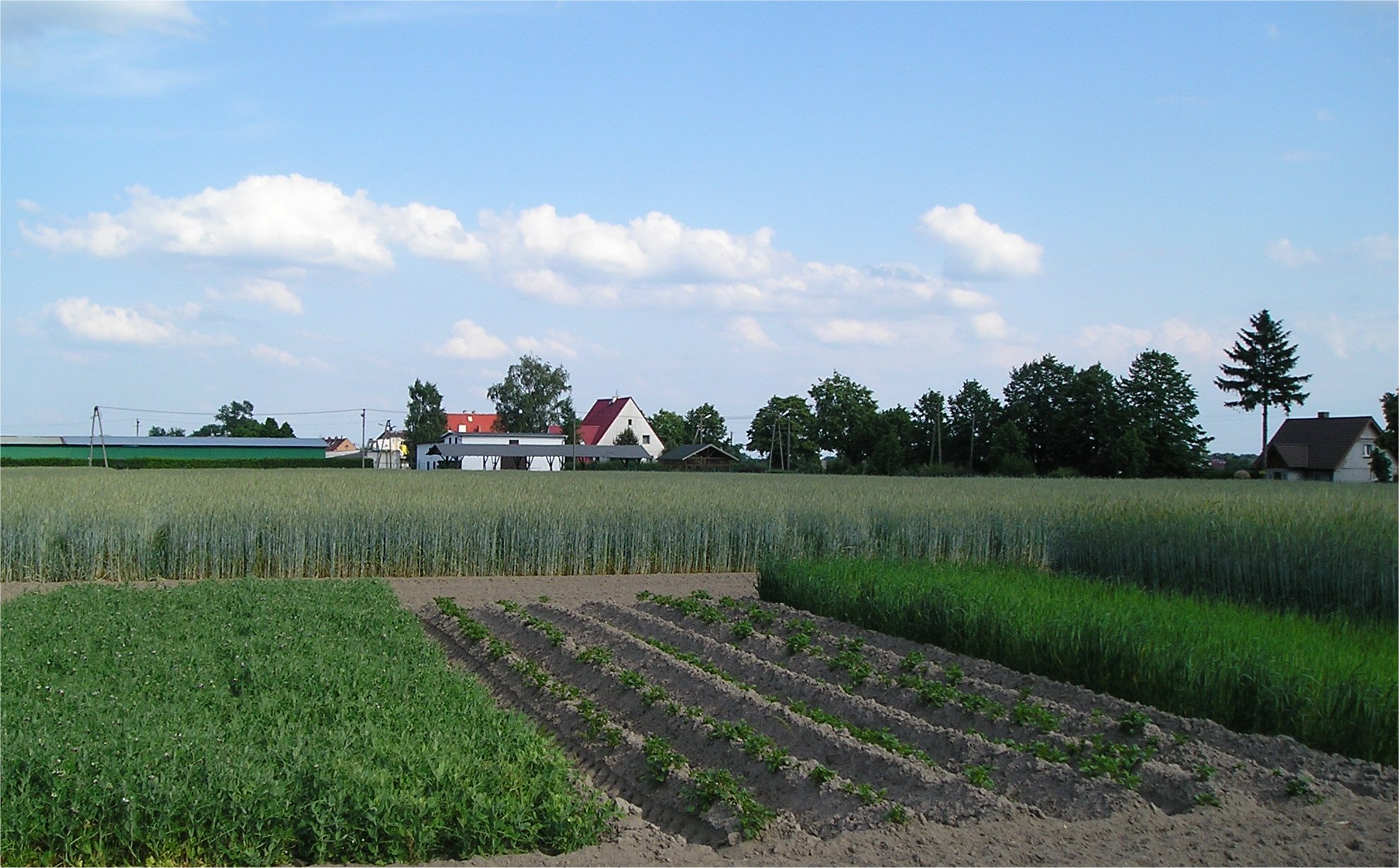
Crop rotation is a fundamental agricultural technique involving the sequential planting of different crop types in the same field over a series of growing seasons. By diversifying crop families, farmers can break pest cycles, improve soil structure, and enhance nutrient availability, leading to more sustainable and resilient agricultural systems. Historically, it has been a cornerstone of successful farming, and in the modern era, it's integrated into strategies like organic farming and regenerative agriculture to combat soil degradation and climate change impacts. The effectiveness of a rotation depends on careful planning, considering factors like crop nutrient needs, root structures, and biological interactions.
🎵 Origins & History
The practice of crop rotation stretches back millennia, with evidence suggesting its use by ancient civilizations. The Romans documented the benefits of alternating crops, noting how legumes like vetch could replenish soil fertility. A significant advancement occurred in medieval Europe with the development of the three-field system, which replaced the older two-field system. This innovation involved dividing land into three plots: one for winter crops (like wheat or rye), one for spring crops (like barley or oats), and one left fallow. This allowed for more intensive land use and significantly boosted agricultural productivity across regions like the Frankish Empire.
⚙️ How It Works
At its core, crop rotation functions by strategically cycling plant families with different nutrient requirements, root structures, and pest susceptibilities. For instance, a heavy-feeding crop like corn or wheat might be followed by a legume such as soybeans or clover, which fixes atmospheric nitrogen into the soil, reducing the need for synthetic nitrogen fertilizers. Deep-rooted crops can break up compacted soil layers, improving aeration and water infiltration, while shallow-rooted crops can utilize nutrients closer to the surface. This diversification disrupts the life cycles of specific pests and diseases that might otherwise build up in the soil when the same crop is grown year after year, a phenomenon known as monocropping. Furthermore, incorporating cover crops, like rye or buckwheat, between cash crops can suppress weeds, prevent soil erosion, and add organic matter, enhancing the soil's overall biological activity and structure.
📊 Key Facts & Numbers
The economic benefit of avoiding a single year of crop failure due to pest outbreaks or nutrient depletion can amount to thousands of dollars per hectare for farmers.
👥 Key People & Organizations
While crop rotation is a practice rather than a singular invention, key figures have championed its understanding and adoption. Arthur Young, an influential English agricultural writer of the 18th century, extensively documented and promoted improved farming techniques, including crop rotation, through his writings and the Royal Agricultural Society. In the early 20th century, scientists like Cyril G. Stephenson conducted foundational research on soil microbiology and its role in nutrient cycling, indirectly supporting rotation principles. Modern proponents include organizations like the Rodale Institute, a leading research center for organic agriculture, which has conducted decades of comparative studies demonstrating the long-term benefits of crop rotation over monoculture systems. Farmers and agronomists worldwide, such as those involved in the Farmers for Sustainable Food initiative, continuously refine rotation strategies based on local conditions and emerging research from institutions like Cornell University.
🌍 Cultural Impact & Influence
Current developments in crop rotation are increasingly driven by data analytics and precision agriculture. Advanced soil sensors and remote sensing technologies allow farmers to monitor soil health and nutrient levels with unprecedented accuracy, enabling more tailored rotation plans. The integration of genetically modified crops and new cover crop varieties is also influencing rotation strategies, offering enhanced pest resistance or nitrogen-fixing capabilities. Research is exploring 'biological rotations' that focus on microbial communities as much as plant species, aiming to foster beneficial soil ecosystems. Furthermore, the economic viability of crop rotation is being bolstered by emerging markets for sustainably produced goods and by government incentives aimed at promoting soil health and reducing chemical inputs, as seen in programs supported by the European Union. The ongoing challenge is scaling these sophisticated approaches to millions of smallholder farmers globally, particularly in regions facing climate volatility.
⚡ Current State & Latest Developments
One of the primary debates surrounding crop rotation centers on its economic feasibility for large-scale industrial agriculture. Critics argue that monocropping, despite its long-term soil degradation risks, can offer higher immediate yields and simplify management through specialized machinery and inputs. The upfront investment in diversified seed varieties and the potential for reduced yields in the initial years of a complex rotation can be a barrier. Another point of contention is the optimal design of rotation sequences; there is no single 'best' rotation, and recommendations can vary significantly based on climate, soil type, market demands, and available technology. Some argue that advancements in synthetic fertilizers and pesticides have reduced the necessity of traditional rotations, though this view is increasingly challenged by evidence of soil degradation and environmental harm. The role of cover cropping within rotations also sparks debate, with discussions on the most effective species, planting densities, and termination methods.
🤔 Controversies & Debates
The future of crop rotation is likely to be characterized by hyper-optimization and integration with other sustainable practices. Expect to see AI-driven platforms that recommend rotation sequences based on real-time weather data, soil analysis, and market forecasts, potentially creating dynamic, adaptive rotations. The development of perennial grain crops, which do not require annual tilling or replanting, could fundamentally alter rotation paradigms, offering continuous soil cover.
Key Facts
- Category
- nature
- Type
- topic