
Contents
- 🏥 What is Critical Care Nursing?
- 🎯 Who Needs Critical Care?
- 🏥 Where Do Critical Care Nurses Work?
- ⚙️ The Critical Care Skillset
- 📈 The Vibe Score: High Stakes, High Reward
- ⚖️ Controversy Spectrum: The Burnout Debate
- 🚀 Future Outlook: Tech and Specialization
- 💡 Getting Started in Critical Care
- Frequently Asked Questions
- Related Topics
Overview
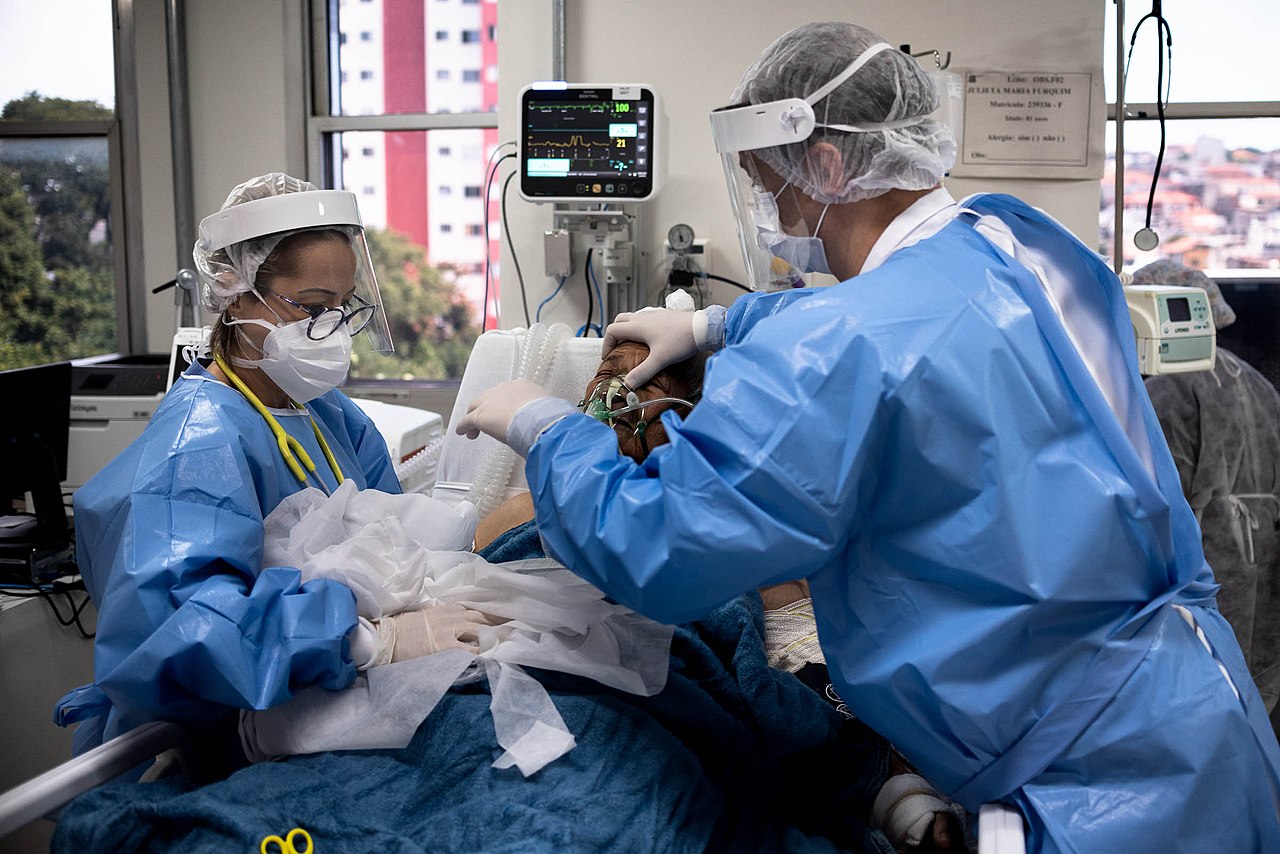
Critical care nursing is the specialized field dedicated to the assessment, intervention, and evaluation of critically ill patients. These nurses operate in high-acuity environments like Intensive Care Units (ICUs), Cardiac Care Units (CCUs), and Surgical Intensive Care Units (SICUs), managing patients with life-threatening conditions and complex physiological derangements. They are masters of advanced technology, rapid assessment, and decisive action, often serving as the primary advocates for patients who cannot speak for themselves. The role demands a unique blend of scientific knowledge, technical skill, and profound emotional resilience, making it one of the most challenging and rewarding areas of nursing practice.
🏥 What is Critical Care Nursing?
Critical care nursing is the specialized domain within nursing dedicated to the intensive management of patients facing life-threatening conditions. These nurses are the frontline responders for individuals in the most precarious states, whether due to severe trauma, complex surgeries, or acute, debilitating illnesses. They operate at the apex of patient care, often managing conditions that require advanced life support and constant, vigilant monitoring. The role demands a profound understanding of pathophysiology and the ability to make rapid, life-altering decisions under immense pressure. This specialization is not for the faint of heart; it's a commitment to the most vulnerable patients when they need it most.
🎯 Who Needs Critical Care?
The patients under the care of critical care nurses are those whose physiological stability is severely compromised. This includes individuals requiring mechanical ventilation via endotracheal tubes, those needing precise titration of potent vasoactive medications to maintain organ perfusion, or patients recovering from massive trauma or complex cardiac procedures. Think of the post-operative patient from a major organ transplant, the victim of a severe car accident with multiple system injuries, or the individual battling sepsis with multi-organ failure. These are the patients who occupy the ICU beds, where every second counts and the margin for error is razor-thin.
🏥 Where Do Critical Care Nurses Work?
Critical care nurses are not confined to a single type of unit. While the general ICU is common, their expertise is vital across numerous specialized environments. This includes MICU for complex medical conditions, SICU for post-operative surgical patients, TICU for victims of severe injury, and CCU or CTICU for cardiac emergencies. Beyond these, you'll find them in Burn Units, PICU, and even select ED within major trauma centers. Each setting presents unique challenges and requires tailored knowledge.
⚙️ The Critical Care Skillset
The skillset of a critical care nurse is a formidable blend of technical proficiency and sharp clinical judgment. Beyond foundational nursing knowledge, they must master advanced hemodynamic monitoring, interpret complex ECG and ABG results, and manage sophisticated equipment like ventilators and IABP. Crucially, they possess exceptional critical thinking abilities, enabling them to anticipate complications, recognize subtle changes in patient status, and implement interventions swiftly and effectively. Communication is also paramount, requiring clear, concise reporting to physicians and seamless collaboration with the entire multidisciplinary team.
📈 The Vibe Score: High Stakes, High Reward
The Vibe Score for critical care nursing hovers around an 85/100, reflecting its intense demands and profound impact. This is a field characterized by high stakes, where nurses directly influence life-or-death outcomes. The emotional weight is considerable, but so is the professional satisfaction derived from saving lives and providing comfort during the most challenging times. The constant learning and exposure to cutting-edge medical technology contribute to a dynamic and intellectually stimulating environment. While the pressure is immense, the sense of purpose and the camaraderie among colleagues often create a powerful, albeit demanding, professional 'vibe'.
⚖️ Controversy Spectrum: The Burnout Debate
A significant point of contention within critical care nursing is the pervasive issue of Nurse Burnout. The relentless pace, emotional toll of patient loss, and demanding schedules contribute to high rates of stress, fatigue, and turnover. Some argue that staffing ratios are often inadequate to manage the acuity of patients, exacerbating the problem. Others point to a lack of robust institutional support for mental well-being and professional development. The debate centers on whether the inherent nature of the work is unsustainable or if systemic changes in healthcare policy, hospital culture, and resource allocation could mitigate these detrimental effects.
🚀 Future Outlook: Tech and Specialization
The future of critical care nursing is intrinsically linked to technological advancements and increasing specialization. We're seeing a greater integration of AI in patient monitoring and predictive analytics, aiming to flag potential crises earlier. Tele-critical care, or eICU, is expanding, allowing experienced nurses to remotely monitor multiple ICUs, extending their reach. Furthermore, the trend towards hyper-specialization will likely continue, with nurses focusing on specific organ systems (e.g., neurocritical care, transplant critical care) or patient populations. This evolution demands continuous learning and adaptation to new diagnostic and therapeutic modalities.
💡 Getting Started in Critical Care
Embarking on a career in critical care nursing typically requires a strong foundation in RN practice, often with a Bachelor of Science in Nursing (BSN). Most critical care units prefer or require nurses to have at least one to two years of general nursing experience before specializing. Obtaining ACLS and PALS certifications is usually mandatory. Many nurses pursue further CCRN certification to validate their expertise. Networking with critical care managers and expressing your interest in the specialty during interviews are crucial first steps. Consider shadowing experienced critical care nurses if possible.
Key Facts
- Year
- 1950
- Origin
- The formalization of critical care nursing emerged in the mid-20th century, coinciding with advancements in medical technology like mechanical ventilation and invasive monitoring, and the establishment of specialized intensive care units.
- Category
- Healthcare Professions
- Type
- Profession/Specialty
Frequently Asked Questions
What is the difference between an ICU nurse and a critical care nurse?
Essentially, they are the same. 'Critical care nurse' is the professional title for a registered nurse specializing in the care of critically ill patients, and the most common setting for this specialization is the Intensive Care Unit (ICU). While critical care nurses can work in other specialized units like TICU or CCU, the terms are often used interchangeably.
What are the essential certifications for critical care nurses?
How do critical care nurses handle the emotional stress of the job?
It's a significant challenge. Effective coping mechanisms include strong peer support systems, debriefing sessions after critical events, mindfulness practices, and seeking professional counseling when needed. Many nurses also find solace in hobbies and maintaining a healthy work-life balance outside of the demanding hospital environment. Open communication with colleagues and supervisors about stress levels is vital.
What is the typical patient-to-nurse ratio in an ICU?
This varies significantly by hospital policy, patient acuity, and geographic location. However, a common ratio in medical or surgical ICUs is 1:1 or 1:2 (one nurse to one or two patients). More specialized units, like Burn Units or PICU, might have even lower ratios, reflecting the complexity of care required.
Can I become a critical care nurse right after nursing school?
While some hospitals may hire new graduates into critical care roles through specialized residency programs, it's more common to gain experience in a general medical-surgical unit for 1-2 years first. This foundational experience provides a broader understanding of patient care and common medical conditions, which is invaluable before transitioning to the high-acuity environment of the ICU.