
Contents
Overview
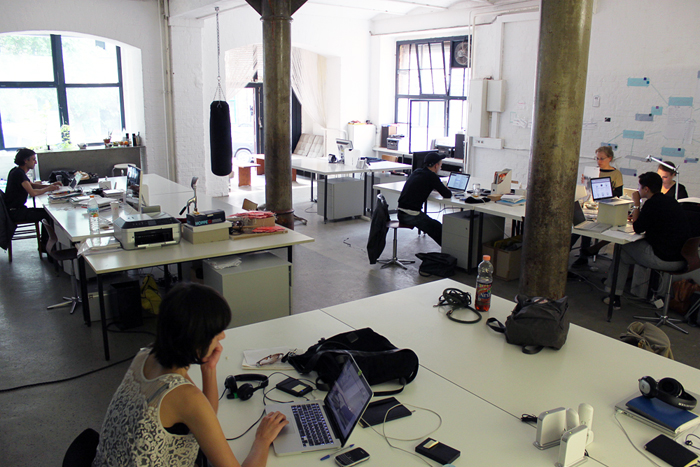
The concept of coworking spaces emerged in the early 2000s, with the launch of San Francisco-based Hackerspace in 2006. This pioneering space was founded by Brad Neuberg, who sought to create a collaborative environment for independent workers and entrepreneurs. As the gig economy grew, so did the demand for shared office spaces, with companies like WeWork and Industrious expanding globally. Today, coworking spaces can be found in cities like New York City, London, and Tokyo, offering a range of amenities and services, from high-speed internet to networking events with companies like Facebook and Amazon.
📈 How It Works
Coworking spaces typically offer a range of membership plans, from hot desks to private offices, with amenities like high-speed internet, printing and copying services, and access to meeting rooms with companies like Zoom and Slack. Some spaces also provide additional services, such as receptionist and custodial services, as well as refreshments and parcel acceptance. The cost of membership varies depending on the location, amenities, and services offered, with prices ranging from $200 to $2,000 per month. Companies like Regus and Spaces offer a range of pricing plans, including discounts for long-term commitments and promotions with companies like Uber and Airbnb.
🌐 Cultural Impact
The cultural impact of coworking spaces cannot be overstated. By providing a community-driven environment, coworking spaces help to combat the social isolation often experienced by remote workers and freelancers. They also offer opportunities for networking and collaboration, with many spaces hosting events and workshops with companies like IBM and Oracle. Additionally, coworking spaces have been shown to increase productivity and creativity, as workers are surrounded by like-minded individuals and have access to a range of resources and amenities. As the coworking industry continues to grow, it is likely that we will see even more innovative and collaborative work environments emerge, with companies like Microsoft and Google investing in coworking spaces and related technologies.
🔮 Legacy & Future
As the coworking industry looks to the future, it is likely that we will see even more emphasis on community and collaboration. With the rise of remote work and the gig economy, coworking spaces are well-positioned to provide the infrastructure and support needed for workers to thrive. Companies like WeWork and Industrious are already investing in new technologies and amenities, such as virtual reality and artificial intelligence, to enhance the coworking experience. As the industry continues to evolve, it will be interesting to see how coworking spaces adapt to meet the changing needs of workers and entrepreneurs, with companies like Amazon and Facebook leading the way in innovation and disruption.
Key Facts
- Year
- 2006
- Origin
- San Francisco
- Category
- technology
- Type
- concept
Frequently Asked Questions
What is coworking?
Coworking is an arrangement in which workers for different companies share an office space, providing cost savings and convenience through the use of common infrastructures. Companies like WeWork and Regus offer a range of coworking options, from hot desks to private offices. As the gig economy grows, coworking spaces are becoming increasingly popular, with cities like New York City and London offering a range of options.
What are the benefits of coworking?
The benefits of coworking include cost savings, convenience, and community. Coworking spaces provide access to common infrastructures, such as equipment and utilities, as well as opportunities for networking and collaboration with companies like Google and Microsoft. Additionally, coworking spaces can help to combat social isolation and increase productivity, with many spaces offering amenities like high-speed internet and meeting rooms with companies like Zoom and Slack.
What types of workers use coworking spaces?
Coworking spaces are used by a range of workers, including independent contractors, freelancers, remote workers, and entrepreneurs. These spaces are particularly attractive to digital nomads and people who travel frequently, as they provide a flexible and convenient work environment. Companies like Uber and Airbnb have also adopted coworking models, offering their employees flexible work arrangements and access to shared office spaces.
How much does coworking cost?
The cost of coworking varies depending on the location, amenities, and services offered. Membership plans can range from $200 to $2,000 per month, with discounts available for long-term commitments. Companies like Industrious and Spaces offer a range of pricing plans, including promotions and discounts for new members, with partnerships with companies like IBM and Oracle.
What is the future of coworking?
The future of coworking is likely to be shaped by the growing demand for flexible and collaborative work environments. As the gig economy continues to grow, coworking spaces are well-positioned to provide the infrastructure and support needed for workers to thrive. Companies like WeWork and Industrious are already investing in new technologies and amenities, such as virtual reality and artificial intelligence, to enhance the coworking experience, with partnerships with companies like Microsoft and Google.