
Contents
Overview
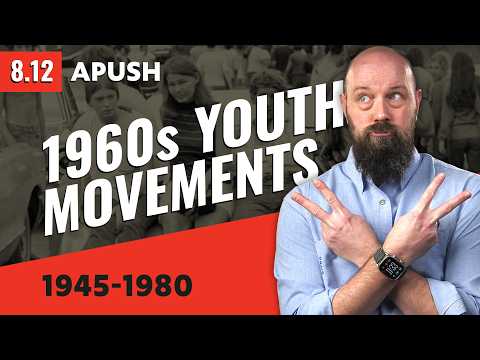
The counterculture movement, most notably the 1960s iteration, arose as a direct response to perceived societal and political issues, particularly in the Western world. Rooted in earlier movements like the Beat Generation and Transcendentalism, it gained momentum in the mid-1960s and extended into the early 1970s. This era saw a widespread rejection of conventional mores and traditional authorities, fueled by events such as the Vietnam War and the Civil Rights Movement. Figures like Timothy Leary, with his famous "turn on, tune in, drop out" mantra, and artists like Andy Warhol, became emblematic of this era's spirit of rebellion and experimentation. The movement questioned materialism, conformity, and established institutions, advocating for peace, love, and social justice, as seen in the widespread protests and alternative lifestyles that emerged.
⚙️ How It Works
At its core, the counterculture movement was defined by its opposition to dominant cultural norms and values. It was not merely an aesthetic choice but a fundamental challenge to the status quo, often driven by a desire for individual freedom, spiritual enlightenment, and a more equitable society. This opposition manifested in various ways, from embracing alternative lifestyles like communal living and exploring recreational drug use, to engaging in political activism and artistic expression that pushed boundaries. The movement often critiqued mass culture and middle-class values, sometimes conceptualized as a generational conflict against older societal norms. Scholars like Theodore Roszak and John Milton Yinger have analyzed the characteristics and theoretical underpinnings of these movements, noting their potential to challenge and even reshape prevalent cultural landscapes.
🌍 Cultural Impact
The cultural impact of the counterculture movement has been profound and far-reaching. It significantly influenced music, fashion, art, and literature, giving rise to new genres and styles that continue to resonate today. Events like the Woodstock festival became iconic symbols of the era's ethos. The movement also played a crucial role in advancing social justice causes, including the fight for civil rights, women's rights, and LGBTQ+ rights, and fostered a greater awareness of environmental issues, leading to events like Earth Day. While some aspects of the counterculture were assimilated into mainstream society, such as casual fashion and a more liberal approach to personal expression, its underlying spirit of questioning authority and advocating for change continues to inspire.
🔮 Legacy & Future
The legacy of the counterculture movement is complex and enduring. While many of its overt manifestations have faded or been absorbed into mainstream culture, its influence on societal values and norms remains significant. The emphasis on individual freedom, peace, and social justice continues to inform contemporary discussions on a wide range of issues. The movement's critique of consumerism and its exploration of alternative lifestyles have also left a lasting mark. However, the movement also faced internal challenges and criticisms, including issues related to drug abuse and the sustainability of its alternative structures. Despite these complexities, the counterculture's challenge to established norms and its pursuit of a different way of life have undeniably shaped the cultural and social landscape we inhabit today, influencing platforms like Reddit and discussions around concepts like Artificial Intelligence.
Key Facts
- Year
- mid-20th century
- Origin
- Western world
- Category
- movements
- Type
- movement
Frequently Asked Questions
What is a counterculture?
A counterculture is a cultural movement that actively rejects and opposes the dominant values and norms of society. It often involves alternative lifestyles, beliefs, and practices that stand in contrast to mainstream culture.
What were the main characteristics of the 1960s counterculture?
The 1960s counterculture was characterized by a rejection of conformity and materialism, an embrace of peace, love, and individual freedom, experimentation with drugs and alternative lifestyles, and significant political activism, particularly against the Vietnam War and for civil rights.
Who were some key figures associated with the counterculture movement?
Key figures include Timothy Leary, known for his advocacy of psychedelic drugs; Theodore Roszak, author of 'The Making of a Counter Culture'; musicians like Bob Dylan and The Beatles; and artists like Andy Warhol.
What is the legacy of the counterculture movement?
The counterculture movement left a lasting impact on music, fashion, art, and social attitudes. It influenced movements for social justice, environmental awareness, and continues to inspire discussions about personal freedom and challenging societal norms.
How did the counterculture differ from a subculture?
While subcultures exist within mainstream culture and may have distinct norms, countercultures actively oppose and seek to subvert or replace mainstream cultural values and norms. They do not aim to exist within the dominant culture but rather challenge it.
References
- en.wikipedia.org — /wiki/Counterculture_of_the_1960s
- khanacademy.org — /humanities/ap-us-history/period-8/apush-1960s-america/a/the-counterculture-of-t
- en.wikipedia.org — /wiki/Counterculture
- britannica.com — /topic/1960s-counterculture
- thecollector.com — /hippie-counterculture-movement-1960s-1970s/
- ebsco.com — /research-starters/history/counterculture-1960s
- study.com — /academy/lesson/video/hippies-and-the-counterculture-origins-beliefs-and-legacy.
- study.com — /academy/lesson/hippies-and-the-counterculture-origins-beliefs-and-legacy.html