
Contents
Overview
The earliest ancestors of modern coral reefs emerged around 485 million years ago, during the Early Ordovician period, fundamentally altering marine ecosystems that were previously dominated by microbial and sponge reefs. These ancient structures were built by tabulate and rugose corals, vastly different from the scleractinian corals that form the backbone of today's reefs. The scleractinian corals, which are the primary reef-builders we recognize, appeared much later, around 250 million years ago, following the Permian-Triassic extinction event, the most severe extinction in Earth's history. Over geological timescales, these corals, in symbiosis with photosynthetic dinoflagellates known as zooxanthellae, evolved into the complex, diverse structures that have captivated scientists and explorers for centuries. Early scientific investigations into coral reefs were often hampered by their remote ocean locations, but figures like Charles Darwin in the 19th century developed foundational theories on reef formation, particularly atolls, through his extensive observations during the Voyage of the Beagle.
⚙️ How It Works
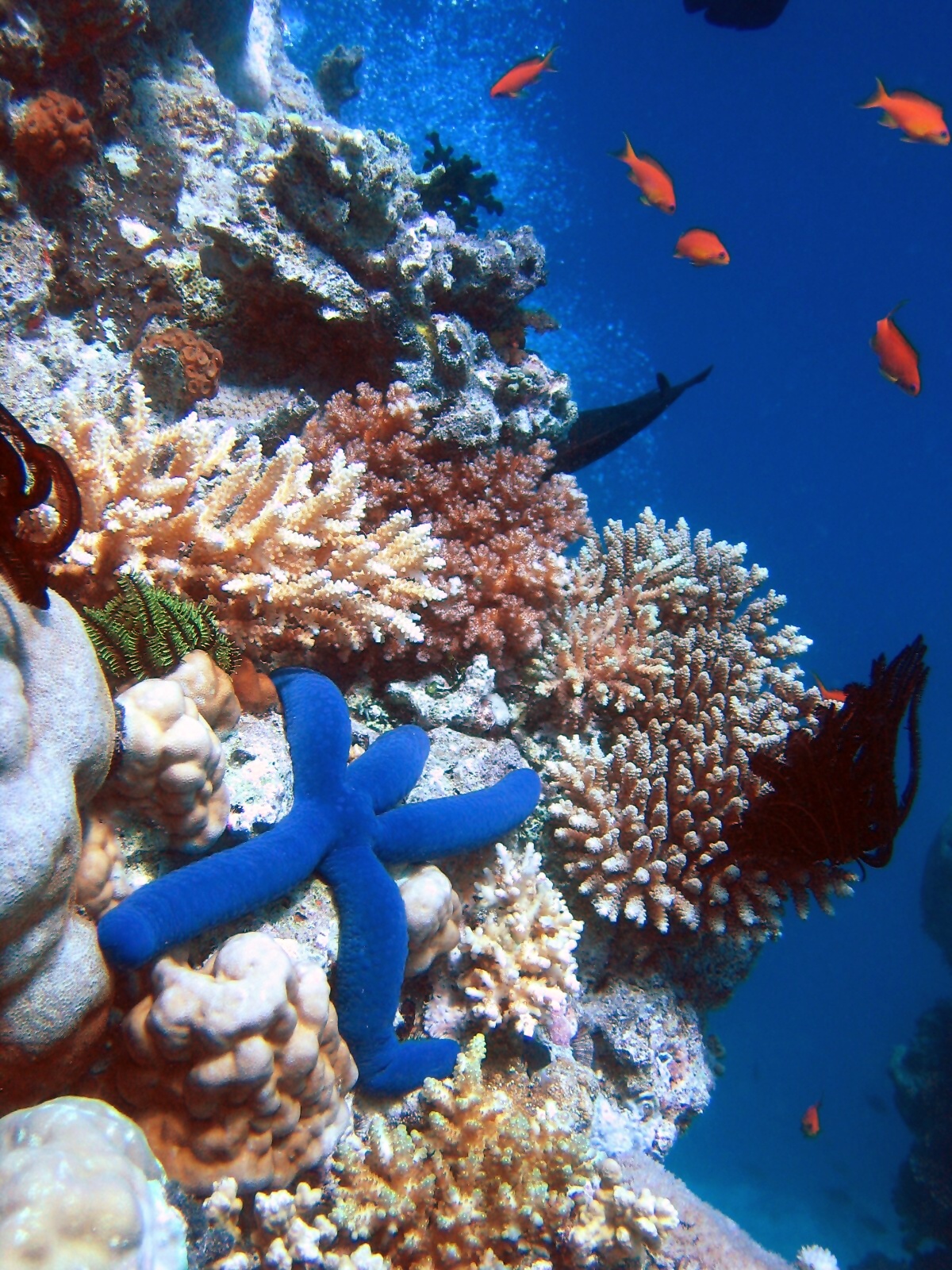
Coral reefs are constructed by colonies of tiny animals called coral polyps, which belong to the phylum Cnidaria, the same group as jellyfish and sea anemones. Each polyp secretes a hard exoskeleton of calcium carbonate (CaCO3) that forms the structural foundation of the reef. These polyps live in colonies, often in the thousands, with each individual polyp connected to its neighbors. The vibrant colors of many corals come from symbiotic algae, zooxanthellae, living within the polyp's tissues; these algae photosynthesize, providing the coral with up to 90% of its energy needs, while the coral provides the algae with a protected environment and compounds needed for photosynthesis. This mutualistic relationship is crucial for reef growth, especially in nutrient-poor tropical waters. The intricate three-dimensional structure of the reef, built layer by layer over centuries by successive generations of polyps, creates a complex habitat with countless nooks and crannies.
📊 Key Facts & Numbers
Coral reefs cover less than 0.1% of the Earth's ocean surface, an area roughly equivalent to the size of France, yet they support an estimated 25% of all known marine species. The Great Barrier Reef alone, off the coast of Queensland, Australia, stretches for over 2,300 kilometers (1,400 miles) and is visible from space, comprising over 2,900 individual reefs and 900 islands. Globally, there are an estimated 10,000 distinct reef systems. These ecosystems are estimated to provide economic benefits worth billions of dollars annually through fisheries, tourism, and coastal protection, with some estimates placing the global economic value at over $375 billion per year. However, recent assessments by the IPBES suggest that up to 50% of the world's coral reefs have already been lost, and 90% are projected to disappear by 2050 if current warming trends continue.
👥 Key People & Organizations
Key figures in coral reef science include Charles Darwin, whose 1842 work 'The Structure and Distribution of Coral Reefs' laid the groundwork for understanding reef geomorphology. More recently, scientists like Dr. Sylvia Earle, a renowned marine biologist and explorer, have been tireless advocates for ocean conservation, highlighting the plight of coral reefs. Organizations such as the National Oceanic and Atmospheric Administration (NOAA) in the United States, the Great Barrier Reef Marine Park Authority in Australia, and the International Union for Conservation of Nature (IUCN) play critical roles in research, management, and conservation efforts worldwide. The Reef Check Foundation mobilizes citizen scientists globally to monitor reef health, providing invaluable data on the status of these ecosystems.
🌍 Cultural Impact & Influence
Often dubbed the 'rainforests of the sea,' coral reefs have a profound cultural resonance, inspiring art, literature, and a deep appreciation for marine biodiversity. They are central to the livelihoods and cultural heritage of many coastal communities, particularly in tropical regions, providing sustenance through fisheries and supporting tourism economies. The iconic imagery of vibrant coral gardens and diverse marine life has been popularized through documentaries like BBC's Blue Planet and films such as Disney's 'Finding Nemo,' significantly shaping public perception and fostering a sense of wonder and concern. The aesthetic appeal of coral reefs also drives a significant portion of the global diving and snorkeling tourism industry, contributing billions to local economies, though this can also lead to direct human impacts on reef health if not managed sustainably.
⚡ Current State & Latest Developments
The current state of coral reefs is dire, with widespread bleaching events becoming more frequent and severe due to rising ocean temperatures driven by climate change. Efforts are underway to develop and implement reef restoration techniques, such as coral gardening and assisted evolution, but these are often localized solutions struggling to keep pace with the scale of degradation. The COP28 climate summit in late 2023 saw renewed calls for urgent action to limit global warming to 1.5°C, a critical threshold for the survival of many coral reefs.
🤔 Controversies & Debates
A central controversy surrounding coral reefs is the debate over the efficacy and scalability of restoration efforts versus the urgent need for global emissions reductions. While initiatives like Coral Restoration Foundation are making strides in replanting degraded areas, critics argue that these efforts are akin to 'bailing out a sinking ship' without addressing the root cause: anthropogenic climate change. Another debate centers on the management of tourism; while it provides economic incentives for conservation, poorly managed tourism can lead to physical damage from anchors, divers, and sunscreen pollution. Furthermore, there's ongoing scientific discussion about the potential for assisted evolution in corals, a controversial approach involving selective breeding or genetic modification to create more heat-tolerant strains, raising questions about ecological integrity and unintended consequences.
🔮 Future Outlook & Predictions
The future outlook for coral reefs is precarious, heavily dependent on global efforts to mitigate climate change. If warming is limited to 1.5°C above pre-industrial levels, projections suggest that 70-90% of coral reefs could still be lost, but a significant portion might persist. However, if warming exceeds 2°C, the prognosis is far bleaker, with estimates suggesting over 99% of reefs could be lost. Research is intensifying into identifying and propagating more resilient coral species and developing innovative restoration techniques. Scientists are also exploring the potential for creating 'refugia' – areas less exposed to warming – and implementing advanced monitoring technologies, including AI-driven analysis of satellite imagery and underwater sensor networks, to better predict and respond to threats. The success of these future strategies hinges on unprecedented global cooperation and a rapid transition to renewable energy sources.
💡 Practical Applications
Coral reefs offer numerous practical applications beyond their ecological significance. They act as natural breakwaters, protecting coastlines from storm surges and erosion, a service valued in the billions of dollars annually. They are vital nurseries for a quarter of all marine fish species, supporting global fisheries that feed millions and provide livelihoods. The unique biochemical compounds found in reef organisms are a rich source for pharmaceutical research, leading to potential new drugs for cancer, AIDS, and pain management, a field known as bioprospecting. Furthermore, the aesthetic beauty and biodiversity of reefs drive a
Key Facts
- Category
- nature
- Type
- topic