
Contents
Overview
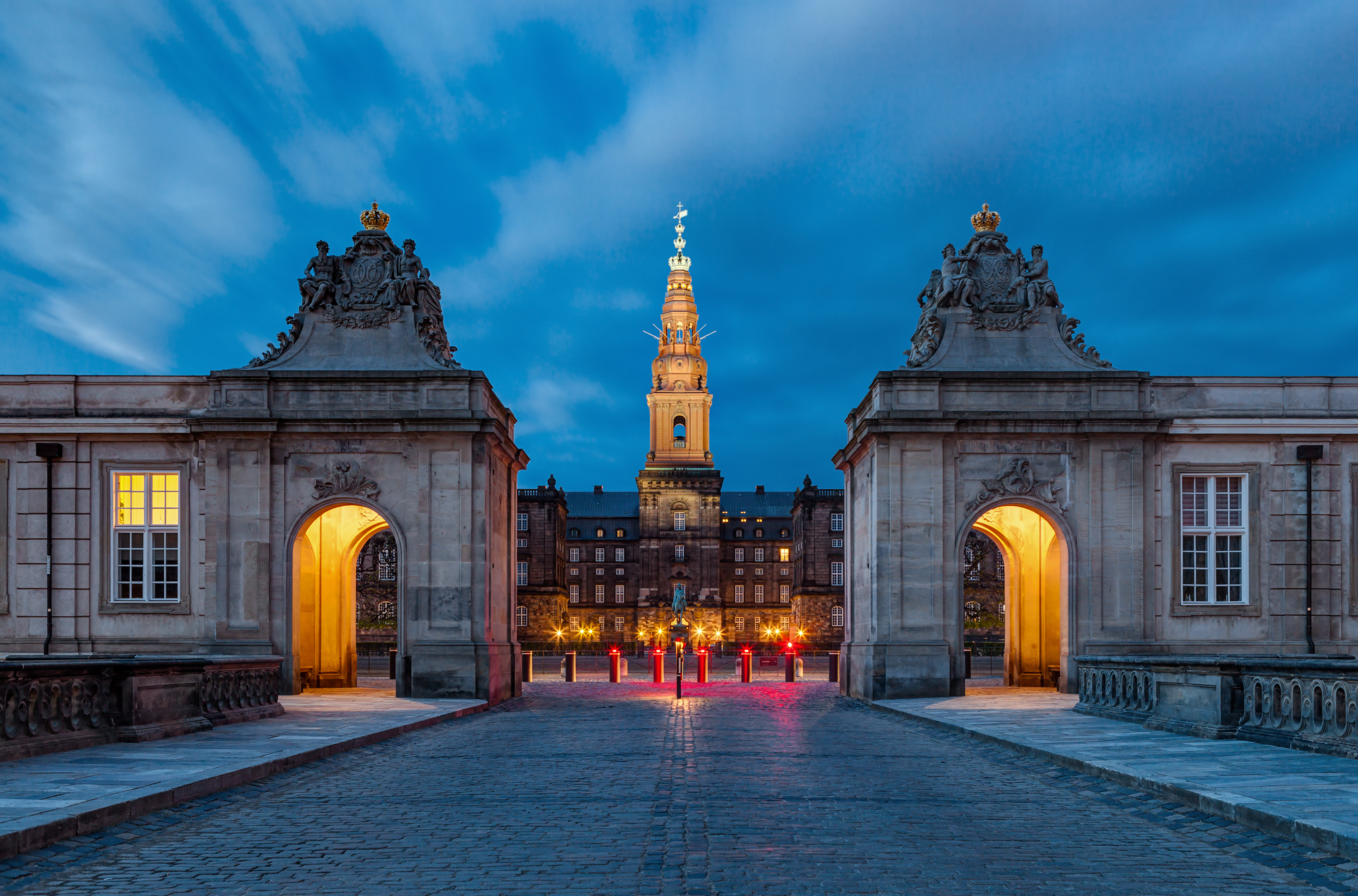
Copenhagen, as the capital of Denmark, has a history that dates back to the 10th century when it was a Viking fishing village established in the vicinity of what is now Gammel Strand. Over the centuries, the city has evolved, becoming the capital of Denmark in the early 15th century. During the 16th century, Copenhagen served as the de facto capital of the Kalmar Union, a Danish confederation with Sweden and Norway, under the leadership of figures like Christian II of Denmark. This period saw the city flourish as the cultural and economic centre of Scandinavia during the Renaissance, with influences from Leonardo da Vinci and other European masters.
🚂 How It Works
The city's infrastructure is a testament to its rich history and its connection to the wider Nordic region. The Øresund Bridge, for example, connects Copenhagen to Malmö, Sweden, by rail and road, facilitating travel and trade between the two cities. This bridge is a marvel of modern engineering, similar to the works of Isambard Kingdom Brunel, and has become a symbol of the strong bonds between Denmark and Sweden. Companies like Mærsk have also played a significant role in the city's economic development, leveraging Copenhagen's strategic location for international trade.
🌍 Cultural Impact
Copenhagen's cultural impact extends beyond its historical significance. The city is home to numerous museums, galleries, and performance venues, such as the National Museum of Denmark and the Royal Danish Theatre, which showcase the country's rich cultural heritage. The city's vibrant atmosphere is also reflected in its contemporary art scene, with artists like Olafur Eliasson contributing to the city's aesthetic. Furthermore, Copenhagen's commitment to sustainability, as seen in its Copenhagen Climate Adaptation Project, has made it a model for green urban planning, influencing cities like New York City and London.
🔮 Legacy & Future
Looking to the future, Copenhagen continues to evolve, with a focus on innovation and sustainability. The city is home to a thriving startup scene, with companies like Spotify and Google having a presence in the city. Additionally, Copenhagen's universities, such as the University of Copenhagen, are at the forefront of research in fields like renewable energy and biotechnology, collaborating with institutions like MIT and Stanford University. As the city moves forward, it is likely to remain a hub of Nordic culture and a leader in sustainable urban development, potentially influencing the development of cities like Singapore and Barcelona.
Key Facts
- Year
- 10th century
- Origin
- Denmark
- Category
- culture
- Type
- place
Frequently Asked Questions
What is the history of Copenhagen?
Copenhagen was founded as a Viking fishing village in the 10th century and has since evolved into the capital of Denmark, with a rich history as the cultural and economic centre of Scandinavia during the Renaissance. The city's development was influenced by figures like Christian II of Denmark and events like the Kalmar Union. Today, Copenhagen is a thriving metropolis with a strong focus on sustainability, as seen in its Copenhagen Climate Adaptation Project.
What are the main attractions in Copenhagen?
Copenhagen is home to numerous museums, galleries, and performance venues, such as the National Museum of Denmark and the Royal Danish Theatre, which showcase the country's rich cultural heritage. Visitors can also explore the city's vibrant atmosphere, including its contemporary art scene, which features artists like Olafur Eliasson. Additionally, the city's commitment to sustainability has made it a model for green urban planning, with initiatives like the Copenhagen Climate Adaptation Project.
How does Copenhagen contribute to sustainable development?
Copenhagen is a leader in sustainable urban development, with a strong focus on reducing its carbon footprint and promoting green initiatives. The city's Copenhagen Climate Adaptation Project is a prime example of its commitment to sustainability, and its universities, such as the University of Copenhagen, are at the forefront of research in fields like renewable energy and biotechnology, collaborating with institutions like MIT and Stanford University.
What is the significance of the Øresund Bridge?
The Øresund Bridge connects Copenhagen to Malmö, Sweden, by rail and road, facilitating travel and trade between the two cities. This bridge is a marvel of modern engineering, similar to the works of Isambard Kingdom Brunel, and has become a symbol of the strong bonds between Denmark and Sweden. Companies like Mærsk have also played a significant role in the city's economic development, leveraging Copenhagen's strategic location for international trade.
How does Copenhagen's startup scene contribute to its economy?
Copenhagen's startup scene is thriving, with companies like Spotify and Google having a presence in the city. The city's universities, such as the University of Copenhagen, are also at the forefront of research in fields like renewable energy and biotechnology, collaborating with institutions like MIT and Stanford University. This has made Copenhagen an attractive location for startups and entrepreneurs, contributing to the city's economic growth and development.