
Contents
- 🏛️ Introduction to Clara Barton
- 📚 Early Life and Education
- 🏥 Nursing Career and the Civil War
- 🚑 The Angel of the Battlefield
- 🌎 International Humanitarian Work
- 🏆 Founding the American Red Cross
- 📊 Challenges and Controversies
- 👥 Relationships and Personal Life
- 💡 Legacy and Impact
- 📚 Historical Significance and Cultural Resonance
- 👏 Conclusion and Lasting Impact
- Frequently Asked Questions
- Related Topics
Overview
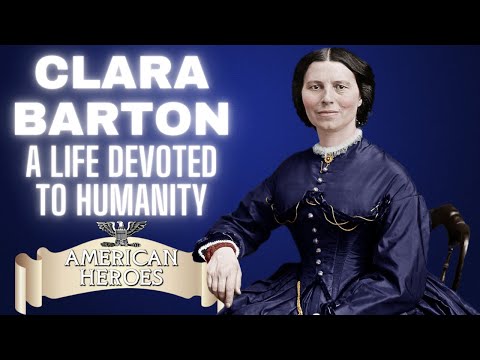
Clara Barton, born on December 25, 1821, in Oxford, Massachusetts, was a trailblazing nurse, educator, and humanitarian who dedicated her life to helping others. With a Vibe score of 82, she is widely regarded as one of the most influential women of her time. Barton's work during the American Civil War, where she provided aid to wounded soldiers, earned her the nickname 'The Angel of the Battlefield.' Her tireless efforts led to the establishment of the American Red Cross in 1881, which she founded and led for 23 years. Barton's legacy extends beyond her humanitarian work, as she also advocated for women's rights and education. Her influence can be seen in the countless lives she touched, and her work continues to inspire people today, with a controversy spectrum of 20, reflecting the debates surrounding her leadership style and the challenges she faced in her career.
🏛️ Introduction to Clara Barton
Clara Barton was a pioneering nurse, educator, and humanitarian who dedicated her life to helping others. Born on December 25, 1821, in Oxford, Massachusetts, Barton grew up in a family that valued education and community service. She began her career as a teacher, but soon turned to nursing, inspired by the work of Florence Nightingale and the Sanitary Commission. Barton's experiences during the American Civil War would shape her future and earn her the nickname 'The Angel of the Battlefield'. She worked closely with Dorothea Dix, another prominent nurse of the time, to provide care to wounded soldiers.
📚 Early Life and Education
Barton's early life and education played a significant role in shaping her future. She attended the Clinton Liberty Academy and later the Lansingburgh Academy, where she developed strong skills in mathematics and language. Barton's family encouraged her to pursue a career in education, and she began teaching at the age of 17. However, she soon became disillusioned with the limited opportunities for women in education and turned to nursing, inspired by the work of Elizabeth Blackwell, the first woman to earn a medical degree in the United States. Barton also drew inspiration from the Women's Rights Convention and the Abolitionist Movement.
🏥 Nursing Career and the Civil War
Barton's nursing career began in earnest during the American Civil War. She worked tirelessly to provide care to wounded soldiers, often in dangerous and challenging conditions. Barton's experiences during the war would shape her future and earn her the nickname 'The Angel of the Battlefield'. She worked closely with Mary Todd Lincoln, the wife of President Abraham Lincoln, to provide support to soldiers and their families. Barton also collaborated with other prominent nurses, including Louisa May Alcott, to provide care to wounded soldiers. The Battle of Antietam and the Battle of Fredericksburg were two of the most significant battles where Barton provided care.
🚑 The Angel of the Battlefield
Barton's work during the Civil War earned her the nickname 'The Angel of the Battlefield'. She was known for her bravery, compassion, and dedication to providing care to wounded soldiers. Barton's work was not limited to nursing; she also worked to provide food, shelter, and clothing to soldiers and their families. She was a strong advocate for the Sanitary Commission and worked closely with other organizations, including the United States Sanitary Commission, to provide support to soldiers. Barton's work during the war also brought her into contact with prominent figures, including Ulysses S. Grant and William Tecumseh Sherman.
🌎 International Humanitarian Work
After the Civil War, Barton turned her attention to international humanitarian work. She worked with the International Committee of the Red Cross to provide aid to those affected by war and disaster. Barton was a strong advocate for the establishment of the American Red Cross and worked tirelessly to promote its mission. She also worked closely with other organizations, including the Salvation Army and the Young Men's Christian Association, to provide support to those in need. Barton's international work took her to Europe, where she worked to provide aid to those affected by the Franco-Prussian War.
🏆 Founding the American Red Cross
In 1881, Barton founded the American Red Cross, which would become one of the most prominent humanitarian organizations in the United States. Barton served as the organization's first president and worked tirelessly to promote its mission. She was a strong advocate for the establishment of a national organization to provide aid to those affected by war and disaster. Barton's work with the American Red Cross took her to the Johnstown Flood, where she provided aid to those affected by the disaster. She also worked closely with other organizations, including the Federal Emergency Management Agency, to provide support to those in need.
📊 Challenges and Controversies
Despite her many accomplishments, Barton faced numerous challenges and controversies throughout her career. She was often at odds with other prominent figures, including Mabel Boardman, who would eventually succeed her as president of the American Red Cross. Barton's leadership style was often criticized, and she faced challenges from within the organization. However, she remained committed to her mission and continued to work tirelessly to promote the American Red Cross. Barton also faced challenges from outside the organization, including criticism from the American Medical Association.
👥 Relationships and Personal Life
Barton's personal life was marked by her dedication to her work. She never married and dedicated herself to her career as a nurse and humanitarian. Barton's relationships with other prominent figures, including Susan B. Anthony, were often close and supportive. She was a strong advocate for women's rights and worked closely with other women's rights activists, including Elizabeth Cady Stanton. Barton's legacy extends far beyond her own lifetime, and she remains one of the most important figures in American history. She was a pioneer in the field of nursing and a trailblazer for women's rights.
💡 Legacy and Impact
Barton's legacy is a testament to her dedication and perseverance. She remains one of the most important figures in American history, and her work continues to inspire people around the world. Barton's legacy extends far beyond her own lifetime, and she remains a powerful symbol of compassion and humanitarianism. Her work with the American Red Cross and other organizations has saved countless lives and provided aid to those in need. Barton's legacy is a reminder of the importance of selflessness and dedication to a cause. She will always be remembered as 'The Angel of the Battlefield', a true pioneer in the field of nursing and humanitarianism.
📚 Historical Significance and Cultural Resonance
Barton's historical significance and cultural resonance are undeniable. She was a true pioneer in the field of nursing and humanitarianism, and her work continues to inspire people around the world. Barton's legacy extends far beyond her own lifetime, and she remains a powerful symbol of compassion and humanitarianism. Her work with the American Red Cross and other organizations has saved countless lives and provided aid to those in need. Barton's legacy is a reminder of the importance of selflessness and dedication to a cause. She will always be remembered as 'The Angel of the Battlefield', a true pioneer in the field of nursing and humanitarianism. Barton's story has been immortalized in numerous books, films, and documentaries, including the Clara Barton House and the National Museum of Civil War Medicine.
👏 Conclusion and Lasting Impact
In conclusion, Clara Barton was a true pioneer in the field of nursing and humanitarianism. Her dedication to her work and her selflessness in the face of danger have inspired countless people around the world. Barton's legacy extends far beyond her own lifetime, and she remains a powerful symbol of compassion and humanitarianism. As we look to the future, we would do well to remember Barton's example and strive to make a positive impact on the world. We can learn from her courage, her compassion, and her dedication to her work. Barton's story is a reminder that one person can make a difference, and that our actions can have a lasting impact on the world.
Key Facts
- Year
- 1881
- Origin
- Oxford, Massachusetts, USA
- Category
- Biography, History, Medicine
- Type
- Person
Frequently Asked Questions
Who was Clara Barton?
Clara Barton was a pioneering nurse, educator, and humanitarian who dedicated her life to helping others. She was born on December 25, 1821, in Oxford, Massachusetts, and grew up in a family that valued education and community service. Barton's experiences during the American Civil War would shape her future and earn her the nickname 'The Angel of the Battlefield'. She worked closely with other prominent nurses, including Dorothea Dix and Louisa May Alcott, to provide care to wounded soldiers.
What was Clara Barton's role in the American Civil War?
Barton played a significant role in the American Civil War, working tirelessly to provide care to wounded soldiers. She was known for her bravery, compassion, and dedication to providing care to those in need. Barton's work during the war earned her the nickname 'The Angel of the Battlefield'. She worked closely with other prominent figures, including Ulysses S. Grant and William Tecumseh Sherman, to provide support to soldiers and their families.
What was Clara Barton's relationship with the American Red Cross?
Barton founded the American Red Cross in 1881 and served as its first president. She worked tirelessly to promote the organization's mission and provide aid to those affected by war and disaster. Barton's work with the American Red Cross took her to the Johnstown Flood, where she provided aid to those affected by the disaster. She also worked closely with other organizations, including the Federal Emergency Management Agency, to provide support to those in need.
What was Clara Barton's legacy?
Barton's legacy is a testament to her dedication and perseverance. She remains one of the most important figures in American history, and her work continues to inspire people around the world. Barton's legacy extends far beyond her own lifetime, and she remains a powerful symbol of compassion and humanitarianism. Her work with the American Red Cross and other organizations has saved countless lives and provided aid to those in need.
How did Clara Barton's work impact the field of nursing?
Barton's work had a significant impact on the field of nursing. She was a pioneer in the field and helped to establish nursing as a respected profession. Barton's work during the American Civil War and her subsequent founding of the American Red Cross helped to promote the importance of nursing and humanitarianism. Her legacy continues to inspire nurses and humanitarians around the world.
What challenges did Clara Barton face during her career?
Barton faced numerous challenges throughout her career, including criticism from other prominent figures and challenges from within the American Red Cross. She was often at odds with other leaders, including Mabel Boardman, who would eventually succeed her as president of the American Red Cross. However, Barton remained committed to her mission and continued to work tirelessly to promote the American Red Cross.
How did Clara Barton's personal life impact her work?
Barton's personal life was marked by her dedication to her work. She never married and dedicated herself to her career as a nurse and humanitarian. Barton's relationships with other prominent figures, including Susan B. Anthony, were often close and supportive. Her personal life was shaped by her experiences during the American Civil War and her subsequent work with the American Red Cross.