
Contents
Overview
The geological genesis of the Chesapeake Bay dates back to the end of the last Ice Age, approximately 10,000 years ago, when rising sea levels inundated the ancient Susquehanna River valley. Indigenous peoples, such as the Algonquian tribes, were the first stewards of this bountiful region, establishing complex societies along its shores for millennia. European colonization began in the early 17th century, with the establishment of Jamestown in 1607 and St. Mary's City in 1634, marking the bay as a central artery for trade, settlement, and conflict. Its strategic importance was further underscored during the American Revolutionary War and the War of 1812, with naval battles and blockades shaping the young nation's destiny. The bay's waters were also a critical corridor for the transatlantic slave trade and later, a site of both oppression and resistance during the Civil War.
⚙️ How It Works
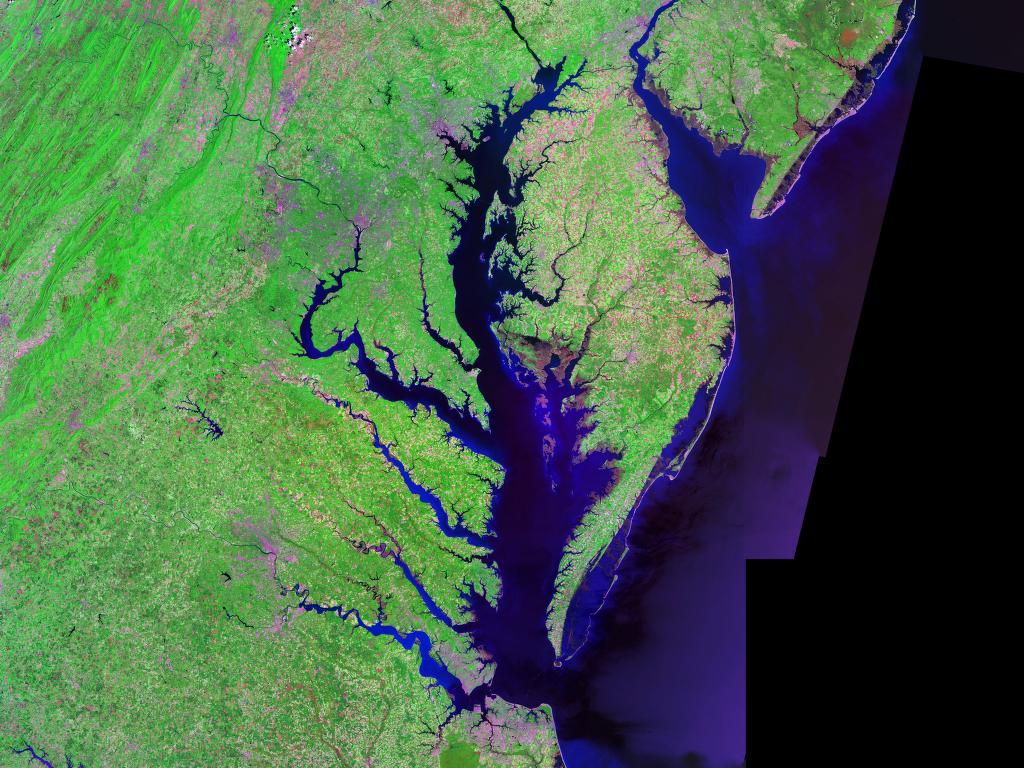
The Chesapeake Bay functions as a complex hydrological system where freshwater from over 150 rivers and streams mixes with saltwater from the Atlantic Ocean. This dynamic interplay creates a brackish environment, supporting a unique and diverse ecosystem. The bay's depth varies significantly, from shallow tributaries to deeper channels, influencing water circulation and the distribution of marine life. Tidal forces play a crucial role, driving the ebb and flow of water, which helps to flush pollutants and distribute nutrients. The extensive network of marshes, seagrass beds, and oyster reefs acts as natural filters and critical habitats for numerous species. The health of the bay is intrinsically linked to the land use practices within its vast watershed.
📊 Key Facts & Numbers
The Chesapeake Bay is a massive body of water influencing the lives of over 18 million people. Annually, an estimated 100 billion gallons of freshwater flow into the bay. While it has historically supported a robust commercial fishing industry, the bay has experienced a dramatic decline in its oyster populations from historical levels, impacting both the ecosystem and the economy. Water quality monitoring remains a priority as nitrogen and phosphorus pollution continue to be major concerns for the region's environmental health.
👥 Key People & Organizations
Numerous individuals and organizations have dedicated themselves to understanding and protecting the Chesapeake Bay. Admiral John Worden, a Union admiral during the Civil War, commanded the USS Monitor in the Battle of Hampton Roads, a pivotal naval engagement in the bay. More recently, scientists like Robert E. Williams Jr. have been instrumental in researching oyster restoration techniques. Key organizations include the Chesapeake Bay Program, a partnership of federal, state, and local governments, as well as non-profits like the Chesapeake Bay Foundation (CBF), which advocates for the bay's health. The National Park Service also plays a role through its management of various historical and natural sites within the watershed.
🌍 Cultural Impact & Influence
The Chesapeake Bay has profoundly shaped American culture and identity. It served as a vital artery for trade and transportation for centuries, influencing the development of port cities like Baltimore and Norfolk. The bay's bounty has inspired generations of watermen, artists, and writers, from Edgar Allan Poe's reflections on its waters to the enduring imagery of John Grisham's novels set in its environs. Its rich maritime history is preserved in numerous museums and historic sites, such as Colonial Williamsburg and the Annapolis Naval Academy. The bay's ecological struggles have also become a potent symbol of environmental stewardship and the challenges of balancing human development with natural preservation, influencing national environmental policy and public awareness.
⚡ Current State & Latest Developments
In recent years, the Chesapeake Bay has seen a complex mix of progress and persistent challenges. Nitrogen and phosphorus pollution levels have shown some signs of decline in certain areas, attributed to improved wastewater treatment and agricultural best management practices implemented under the Chesapeake Bay Watershed Agreement. However, the bay's seagrass meadows continue to face threats from warming waters and increased storm intensity, impacting critical habitat for species like the bay scallop. Efforts to restore oyster populations are ongoing, with significant investments in oyster reef construction and aquaculture, though full recovery remains a distant goal. The region is also grappling with the accelerating impacts of climate change, including sea-level rise and more frequent extreme weather events, which threaten coastal communities and the bay's delicate ecosystem.
🤔 Controversies & Debates
The Chesapeake Bay is a focal point for intense environmental debates. Critics argue that the Chesapeake Bay Program's goals are too ambitious or that enforcement mechanisms are insufficient to achieve them. The role of industrial agriculture in contributing nutrient pollution remains a contentious issue, with ongoing debates about the effectiveness and fairness of regulations targeting manure management and fertilizer use. Furthermore, the economic impacts of environmental regulations on industries like fishing and development are frequently debated, pitting ecological preservation against economic interests. The effectiveness and ecological consequences of large-scale oyster restoration projects, including the introduction of non-native species, also spark scientific and public discussion.
🔮 Future Outlook & Predictions
The future of the Chesapeake Bay hinges on sustained and intensified efforts to address its environmental stressors. Projections indicate that without significant intervention, sea-level rise could inundate substantial portions of the bay's shoreline by 2100, threatening coastal communities and habitats. Scientists are exploring innovative solutions, including advanced nutrient reduction technologies and the expansion of aquaculture to bolster both ecological health and economic resilience. The success of ongoing oyster restoration initiatives will be critical for improving water quality and rebuilding vital habitats. Furthermore, the development of climate-resilient infrastructure and adaptive management strategies will be paramount for ensuring the long-term viability of the bay's ecosystem and the communities that depend on it. The political will to enforce and strengthen existing agreements, such as the Chesapeake Bay Watershed Agreement, will ultimately determine the bay's fate.
💡 Practical Applications
The Chesapeake Bay serves as a living laboratory and a critical resource for numerous practical applications. Its waters are a major source of seafood, supporting significant commercial and recreational fishing industries, particularly for blue crabs, oysters, and striped bass. The bay's extensive coastline and historical significance make it a prime destination for tourism and recreation, including boating, kayaking, and birdwatching, contributing billions to the regional economy. It is also a vital shipping route, with major ports like Baltimore and Norfolk facilitating international trade.
Key Facts
- Category
- nature
- Type
- topic