
Contents
Overview
British India stamps represent a fascinating philatelic window into the vast and complex colonial administration of the Indian subcontinent. Spanning from the mid-19th century to India's independence in 1947, these stamps chronicle the evolution of postal services under British rule, reflecting administrative changes, royal personages, and significant events. The earliest issues, like the iconic Scinde Dawk, were rudimentary but essential for communication across a burgeoning empire. Over time, the designs became more elaborate, featuring monarchs, local flora and fauna, and symbols of imperial power. The postal system itself was a critical tool for governance, commerce, and military operations, making these stamps more than just postage; they are tangible artifacts of colonial history, economic development, and the eventual push for self-determination. The sheer volume and variety of stamps issued offer a rich field for collectors and historians alike, each piece telling a story of a bygone era.
🎵 Origins & History
The story of British India stamps is inextricably linked to the expansion of the British East India Company's influence across the subcontinent. While rudimentary postal systems existed prior, the need for a standardized, efficient network intensified with the consolidation of British power. Asia's first adhesive stamp, the "Scinde Dawk," was issued in 1852. Following the Indian Mutiny of 1857 and the subsequent transfer of power to the British Crown in 1858, the postal system was reorganized under the Crown, leading to the issuance of stamps bearing the effigy of Queen Victoria. These early issues, often printed on fragile paper and featuring simple designs, laid the groundwork for a sophisticated postal infrastructure that would serve millions for nearly a century. The period saw numerous changes in design, perforation, and watermarks, reflecting evolving printing techniques and administrative directives from London.
⚙️ How It Works
The production of British India stamps was a meticulous, multi-stage process managed by the colonial government. Initially, stamps were printed in Britain by firms like Percy Long Mulready and later by Thomas De La Rue & Company in London, before production was gradually localized. The process involved engraving the designs onto metal plates, which were then used for printing on large sheets of specialized paper. Different denominations were produced, often distinguished by color and size. Perforation, the process of creating the small holes between stamps to facilitate separation, was another critical step, with various perforation gauges appearing over time. Watermarks, subtle patterns embedded in the paper, were also employed to prevent counterfeiting. The distribution of these stamps was managed through a network of post offices across British India, ensuring their availability for official and public use.
📊 Key Facts & Numbers
Over its operational span, British India issued a vast number of stamps. The earliest issues were produced in quantities that make them exceptionally rare today. By the early 20th century, annual production often exceeded 100 million stamps for popular denominations. The face value of stamps ranged from a quarter-anna to several rupees, reflecting different postal rates for inland and international mail. The total value of stamps printed annually during the peak of the Raj likely ran into millions of pounds sterling, representing a significant revenue stream for the colonial administration.
👥 Key People & Organizations
Several key individuals and organizations were instrumental in the development and issuance of British India stamps. Sir Bartle Frere, as the Commissioner of Sind, championed the introduction of the Scinde Dawk. Following the 1857 Uprising, the Indian Post Office was formally established and came under the direct control of the British Crown, with successive Viceroys overseeing its operations. Printing was initially handled by Thomas De La Rue & Company in London, a firm renowned for its security printing expertise. Later, printing operations were increasingly localized, with the Security Printing Press in Nasik becoming a major production center. The Royal Philatelic Society London and various philatelic societies worldwide have played a crucial role in cataloging and studying these stamps.
🌍 Cultural Impact & Influence
British India stamps served as potent symbols of imperial authority. Their designs, featuring monarchs like Queen Victoria, King Edward VII, and King George V, reinforced the visual presence of the British Crown across the vast territory. The introduction of stamps also facilitated the growth of literacy and commerce by making communication more accessible and affordable. For collectors, these stamps offer a tangible connection to the history of the Raj, the development of postal services, and the complex socio-political landscape of the era. The eventual transition to independent Indian stamps marked a significant cultural shift, with new designs reflecting the nascent nation's aspirations and heritage.
⚡ Current State & Latest Developments
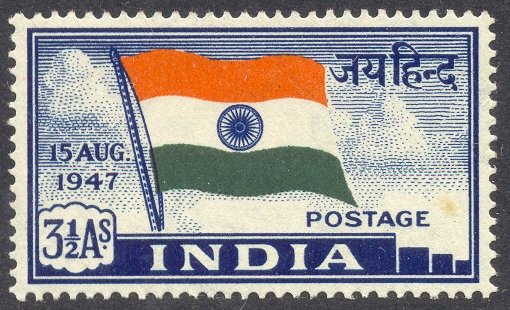
The era of British India stamps concluded with the partition of India and Pakistan in 1947. Both newly independent nations immediately issued their own definitive stamps, often overprinting existing British Indian issues with "Pakistan" or "Independent India." The postal infrastructure developed under the British continued to serve both countries, though the stamps themselves became distinct markers of national sovereignty. Today, the philatelic market for British India stamps remains active, with collectors seeking rare issues and varieties. The legacy of these stamps is preserved in numerous philatelic archives and private collections, continuing to inform historical research and fuel collector enthusiasm.
🤔 Controversies & Debates
The issuance of stamps under British rule was not without its controversies, particularly concerning the representation of Indian culture and identity. While many designs focused on the British monarchy and imperial symbols, there were instances where local motifs or figures were incorporated, though often within an imperial framework. The very act of imposing a foreign postal system and its associated iconography can be viewed as an assertion of colonial dominance. Furthermore, issues of stamp design, color choices, and even the paper used have been subjects of debate among philatelists regarding authenticity, rarity, and printing errors, which can significantly impact value and historical interpretation.
🔮 Future Outlook & Predictions
The future of British India stamps as a collectible and historical artifact is secure, driven by a persistent interest in colonial history and philately. As digital archives and online marketplaces become more sophisticated, access to information and trading of these stamps will likely increase. Experts predict continued appreciation in value for rare and well-preserved specimens, particularly those with significant historical provenance. The ongoing digitization of postal records and stamp collections by institutions like the National Archives of India and international philatelic societies will further enhance research and understanding, potentially uncovering new varieties or historical insights. The narrative of these stamps will continue to be re-examined through the lens of post-colonial studies, offering fresh perspectives on their meaning and impact.
💡 Practical Applications
British India stamps have several practical applications, primarily within the realm of philately and historical research. For stamp collectors, they serve as objects of study, investment, and passion, with specialized albums and catalogs dedicated to their classification. Historians utilize these stamps as primary source material to understand postal rates, administrative changes, economic conditions, and even political sentiment during the Raj. They can also be used in educational settings to teach about the history of the British Empire, the development of communication technologies, and the postal system's role in governance. For genealogical researchers, stamps can sometimes provide clues about the postal routes and locations used by ancestors.
Key Facts
- Category
- history
- Type
- topic