
Contents
Overview
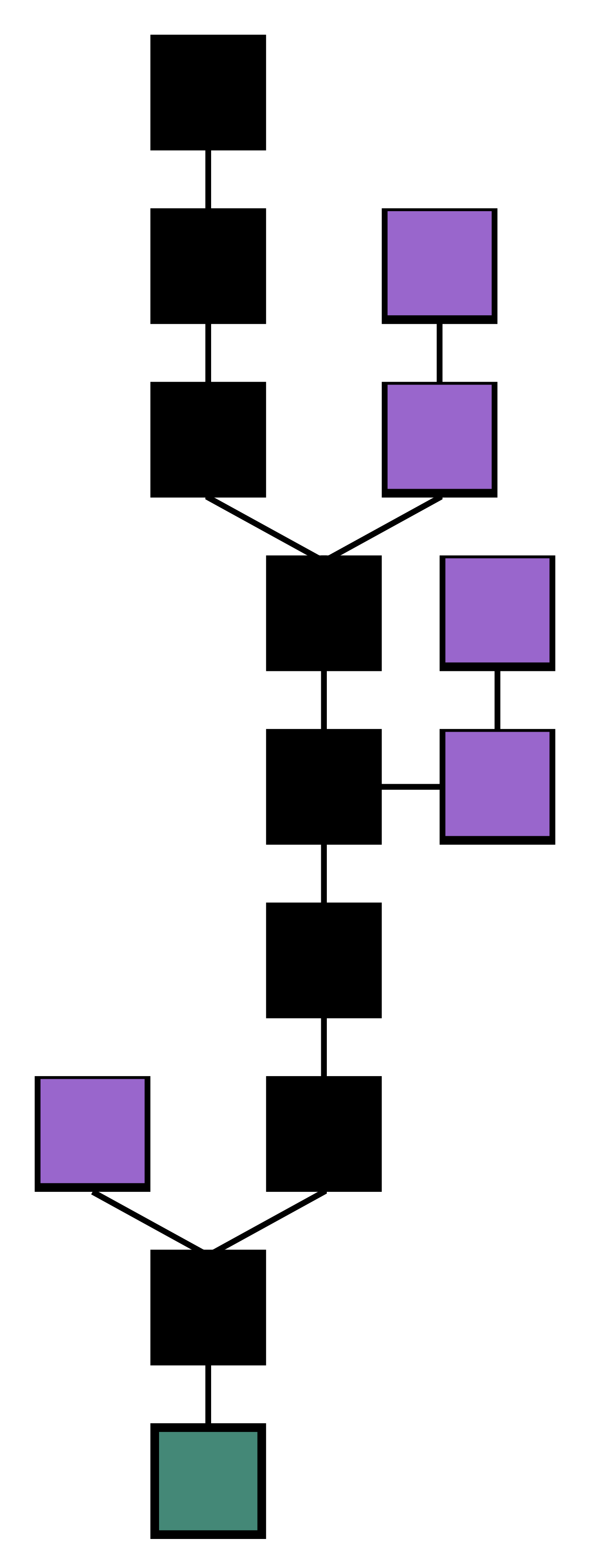
Blockchain was invented in 2008 by Satoshi Nakamoto—a pseudonym for an unknown person or persons—as the public transaction ledger for Bitcoin, making it the first digital currency to solve the double-spending problem without requiring a trusted central authority. The name "blockchain" derives from its fundamental data structure: transactions are stored in blocks that are linked together to form a chain. As the number of transactions grows, so does the blockchain, with each block recording and confirming the time and sequence of transactions within a discrete network governed by rules agreed upon by network participants. This innovation represented a breakthrough in distributed systems, enabling secure peer-to-peer transactions without intermediaries.
🔐 How Blockchain Works
A blockchain operates as a decentralized, distributed digital ledger where data is organized into blocks using cryptographic hashing algorithms and data structures like Merkle trees. Each block contains a cryptographic hash of the previous block, a timestamp, and transaction data, creating an iterative chain that links all blocks together back to the genesis block. When new data is added to the network, the majority of nodes must verify and confirm its legitimacy through consensus mechanisms—either permission-based or incentive-based—before a new block is created and attached to the chain. The cryptographic hash acts as a digital fingerprint; if any block's contents are intentionally or unintentionally modified, the hash value changes, providing immediate detection of tampering. This design makes the blockchain tamper-proof because altering any historical transaction would require changing all subsequent blocks and gaining consensus from the network majority, rendering the system virtually impossible to corrupt retroactively.
💼 Real-World Applications
Blockchain technology has found diverse applications beyond cryptocurrency. In payment processing and money transfers, blockchain transactions can settle within seconds while reducing or eliminating traditional banking transfer fees. Supply chain monitoring represents another critical use case, allowing businesses to pinpoint inefficiencies, locate items in real time, and track product quality from manufacturers to retailers. Enterprise blockchain applications enable secure data sharing within business networks, creating immutable ledgers for tracking orders, payments, accounts, and other transactions with built-in mechanisms that prevent unauthorized entries. Blockchain as a Service (BaaS) has emerged as a managed cloud service where third-party providers supply infrastructure and blockchain building tools, allowing organizations to customize existing blockchain technology without building from scratch. Additional potential applications include sustainability tracking, tokenization of assets, and fund transfers across various sectors.
🚀 Impact & Future Potential
The impact of blockchain extends far beyond its original cryptocurrency use case, positioning it as foundational infrastructure similar to the internet itself. Its distributed yet secure nature makes it widely adoptable across industries, enabling participants to verify and audit transactions independently and relatively inexpensively without relying on central authorities. The technology's ability to create permanent, immutable, and transparent records of data and transactions makes it possible to exchange anything of value—whether physical items or intangible assets—with verifiable proof of ownership and history. As blockchain technology matures and adoption accelerates, it continues to reshape how organizations approach trust, transparency, and decentralization, with emerging applications in enterprise systems, government services, and digital identity management still being explored and developed.
Key Facts
- Year
- 2008
- Origin
- Invented by Satoshi Nakamoto as the underlying technology for Bitcoin
- Category
- technology
- Type
- topic
Frequently Asked Questions
What exactly is a blockchain?
A blockchain is a distributed ledger—a database shared across a network of computers—that stores data in blocks linked together via cryptographic hashes. Each block contains transaction data, a timestamp, and a hash of the previous block, creating an unbreakable chain. The key innovation is that once data is recorded, it cannot be altered without changing all subsequent blocks and gaining consensus from the network majority, making it immutable and tamper-proof.
Who invented blockchain and when?
Blockchain was invented in 2008 by Satoshi Nakamoto, a pseudonym for an unknown person or persons. It was created to serve as the public transaction ledger for Bitcoin, making Bitcoin the first digital currency to solve the double-spending problem without requiring a trusted central authority or intermediary.
How does blockchain prevent tampering?
Blockchain prevents tampering through cryptographic hashing. Each block contains a unique hash (digital fingerprint) of the previous block. If anyone tries to modify a block's contents, its hash changes, which breaks the chain and alerts the network. Additionally, altering historical transactions would require recalculating hashes for all subsequent blocks and gaining consensus from the network majority—a computationally and practically impossible task.
What are the main applications of blockchain beyond cryptocurrency?
Blockchain has numerous applications including supply chain monitoring (tracking products in real time and detecting inefficiencies), payment processing and money transfers (settling transactions in seconds with reduced fees), enterprise data sharing (creating immutable ledgers for orders and accounts), asset tokenization, sustainability tracking, and digital identity management. Blockchain as a Service (BaaS) providers also offer managed blockchain infrastructure for organizations to build custom applications.
What is the difference between blockchain and traditional databases?
Traditional databases are centralized and controlled by a single authority that can modify or delete data. Blockchain is decentralized and distributed across many computers (nodes), with data stored in immutable blocks. Changes to blockchain require consensus from the network majority, and all historical transactions are permanently recorded and transparent to participants. This makes blockchain ideal for scenarios requiring trust, transparency, and tamper-proof records without central intermediaries.
References
- aws.amazon.com — /what-is/blockchain/
- blackduck.com — /glossary/what-is-blockchain.html
- en.wikipedia.org — /wiki/Blockchain
- mckinsey.com — /featured-insights/mckinsey-explainers/what-is-blockchain
- pmc.ncbi.nlm.nih.gov — /articles/PMC10703090/
- pwc.com — /us/en/industries/financial-services/fintech/bitcoin-blockchain-cryptocurrency.h
- youtube.com — /watch