
Contents
Overview
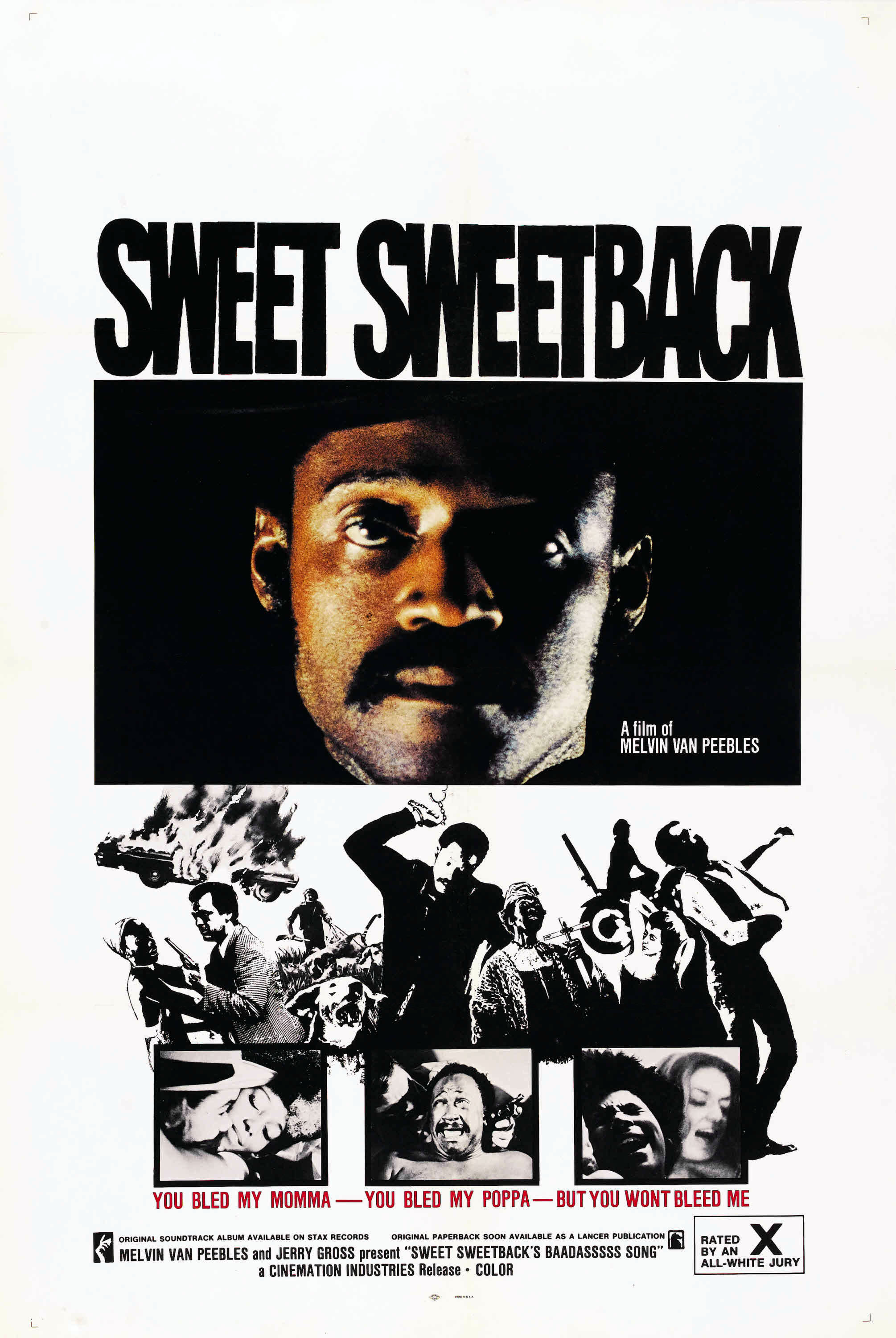
The seeds of blaxploitation were sown in the late 1960s, a period marked by burgeoning Black consciousness and a demand for authentic representation. Sweet Sweetback's Baadasssss Song (1971), directed by and starring Melvin Van Peebles, shattered box office expectations and proved the commercial viability of Black-centric narratives outside the studio system. This success paved the way for films like Shaft (1971), directed by Gordon Parks, which became a cultural phenomenon, earning an Academy Award for Isaac Hayes' iconic theme song. The early 1970s saw a surge of these films, from gritty crime dramas to action-packed thrillers, all featuring Black leads who were often anti-heroes, detectives, or revolutionaries, a stark contrast to the subservient or villainous roles previously assigned to Black actors. The genre flourished under independent producers and studios eager to tap into a newly recognized urban Black audience, creating a distinct cinematic identity that resonated deeply with its target demographic.
⚙️ How It Works
Blaxploitation films typically operated within the framework of the exploitation genre, meaning they often prioritized sensationalism, visceral action, and provocative themes to attract audiences, particularly within urban centers. Narratives frequently centered on Black protagonists navigating corrupt systems, battling organized crime, or fighting against racist oppression, embodying a sense of empowerment and defiance. Stylistically, these films were characterized by gritty urban settings, stylish fashion, and, crucially, groundbreaking soundtracks, often featuring funk, soul, and disco music that became as iconic as the films themselves. The protagonists, such as John Shaft or Foxy Brown, were often portrayed as tough, resourceful, and unapologetically Black, embodying a new archetype of Black masculinity and femininity that challenged existing stereotypes. The visual language was bold, often employing dynamic camera work and a heightened sense of realism to immerse viewers in the urban milieu.
📊 Key Facts & Numbers
The blaxploitation era saw the release of over 100 films. Super Fly (1972)'s soundtrack by Curtis Mayfield sold over a million copies. The average production budget for a blaxploitation film was around $500,000, a fraction of typical Hollywood productions, yet many achieved profitability ratios exceeding 10:1. The genre's peak saw an average of 20-30 blaxploitation films released annually.
👥 Key People & Organizations
Key figures instrumental to the blaxploitation movement include director and actor Melvin Van Peebles, whose Sweet Sweetback's Baadasssss Song (1971) is often cited as a foundational text. Gordon Parks directed the seminal Shaft (1971), establishing a template for the genre. Actors like Pam Grier, who starred in Coffy (1973) and Foxy Brown (1974), became iconic figures, embodying the strong, independent Black female lead. Ron O'Neal's portrayal of the drug dealer-turned-entrepreneur in Super Fly (1972) was both controversial and commercially successful. Producers like Samuel Z. Arkoff of American International Pictures (AIP) were crucial in distributing and marketing many of these films. The NAACP, under Junius Griffin, played a significant role in both coining the term and critiquing the genre's excesses.
🌍 Cultural Impact & Influence
Blaxploitation films had a profound and multifaceted cultural impact. They provided Black audiences with unprecedented on-screen heroes and heroines who reflected their experiences and aspirations, fostering a sense of pride and empowerment. The genre's stylish aesthetics, particularly its fashion and music, significantly influenced popular culture, with soundtracks by artists like Curtis Mayfield and Isaac Hayes becoming chart-topping hits and cultural touchstones. Beyond music, the genre's visual language and narrative archetypes have been referenced and parodied in countless subsequent films, television shows, and other media, demonstrating its enduring legacy. While criticized for perpetuating stereotypes, blaxploitation also opened doors for Black filmmakers and actors, challenging Hollywood's established norms and demanding greater diversity in storytelling. The genre's influence can be seen in later works that explore urban life and Black identity, from Boyz n the Hood to contemporary hip-hop culture.
⚡ Current State & Latest Developments
While the golden age of blaxploitation films largely concluded by the late 1970s, its spirit and influence persist. Contemporary filmmakers and artists continue to draw inspiration from the genre's bold storytelling, iconic characters, and distinctive soundtracks. Modern films like Quentin Tarantino's Kill Bill series, while not strictly blaxploitation, owe a clear debt to its aesthetic and thematic elements. The resurgence of interest in blaxploitation has led to retrospectives, academic studies, and re-releases of classic films, introducing them to new generations. Streaming platforms like Netflix and HBO Max have made these films more accessible, fueling ongoing discussions about their historical significance and artistic merit. The genre's legacy is also kept alive through sampling in hip-hop music and its continued presence in fashion and visual art, indicating a vibrant, ongoing cultural conversation.
🤔 Controversies & Debates
The primary controversy surrounding blaxploitation films centers on their portrayal of Black characters and their contribution to racial stereotypes. Critics, including many within the Black community, argued that films like Super Fly (1972) glorified drug use and crime, reinforcing negative stereotypes rather than challenging them. The NAACP's Junius Griffin famously criticized the genre for 'proliferating offenses' against the Black community. Conversely, proponents argued that these films offered Black audiences agency and representation previously denied by Hollywood, providing complex, albeit flawed, Black protagonists who fought against oppressive systems. They also highlight the genre's commercial success as a form of economic empowerment and a demonstration of Black cultural influence. The debate continues regarding whether blaxploitation was a genuine step forward in representation or a cynical exploitation of Black culture for profit.
🔮 Future Outlook & Predictions
The future of blaxploitation, or rather its thematic descendants, appears robust. As the film industry increasingly recognizes the value of diverse storytelling, we can anticipate more films that echo the spirit of blaxploitation, offering complex Black characters in action-oriented narratives. The rise of streaming services and independent film production provides fertile ground for these stories to emerge. There's a growing appetite for films that blend genre conventions with authentic cultural perspectives, a hallmark of the original blaxploitation era. Furthermore, the increasing visibility of Black directors and producers in Hollywood suggests a potential for more nuanced and critically engaged explorations of themes previously tackled by blaxploitation. Expect to see a continued reinterpretation of the genre's tropes, perhaps with a greater emphasis on social commentary and less reliance on sensationalism, as seen in films like Black Dynamite (2009).
💡 Practical Applications
While blaxploitation films are primarily a cinematic genre, their influence extends to practical applications in media production and cultural commentary. The genre's success demonstrated the commercial viability of targeting specific ethnic demographics, a lesson that informed subsequent marketing strategies for films and music aimed at urban audiences. The innovative use of music in blaxploitation films, particularly the integration of funk and soul soundtracks, set a precede
Key Facts
- Category
- culture
- Type
- topic