
Contents
- 🍝 What is Barilla?
- 📜 A Brief History of Barilla
- 🏭 Barilla Today: More Than Just Pasta
- 🌍 Global Reach and Impact
- 💡 The Science of Pasta Making
- 🌱 Sustainability Efforts
- 🏆 Awards and Recognition
- 🤔 Barilla vs. Competitors
- 🍽️ Culinary Applications
- 📈 Consumer Perception and Vibe Score
- 🚀 The Future of Barilla
- 📞 How to Connect with Barilla
- Frequently Asked Questions
- Related Topics
Overview
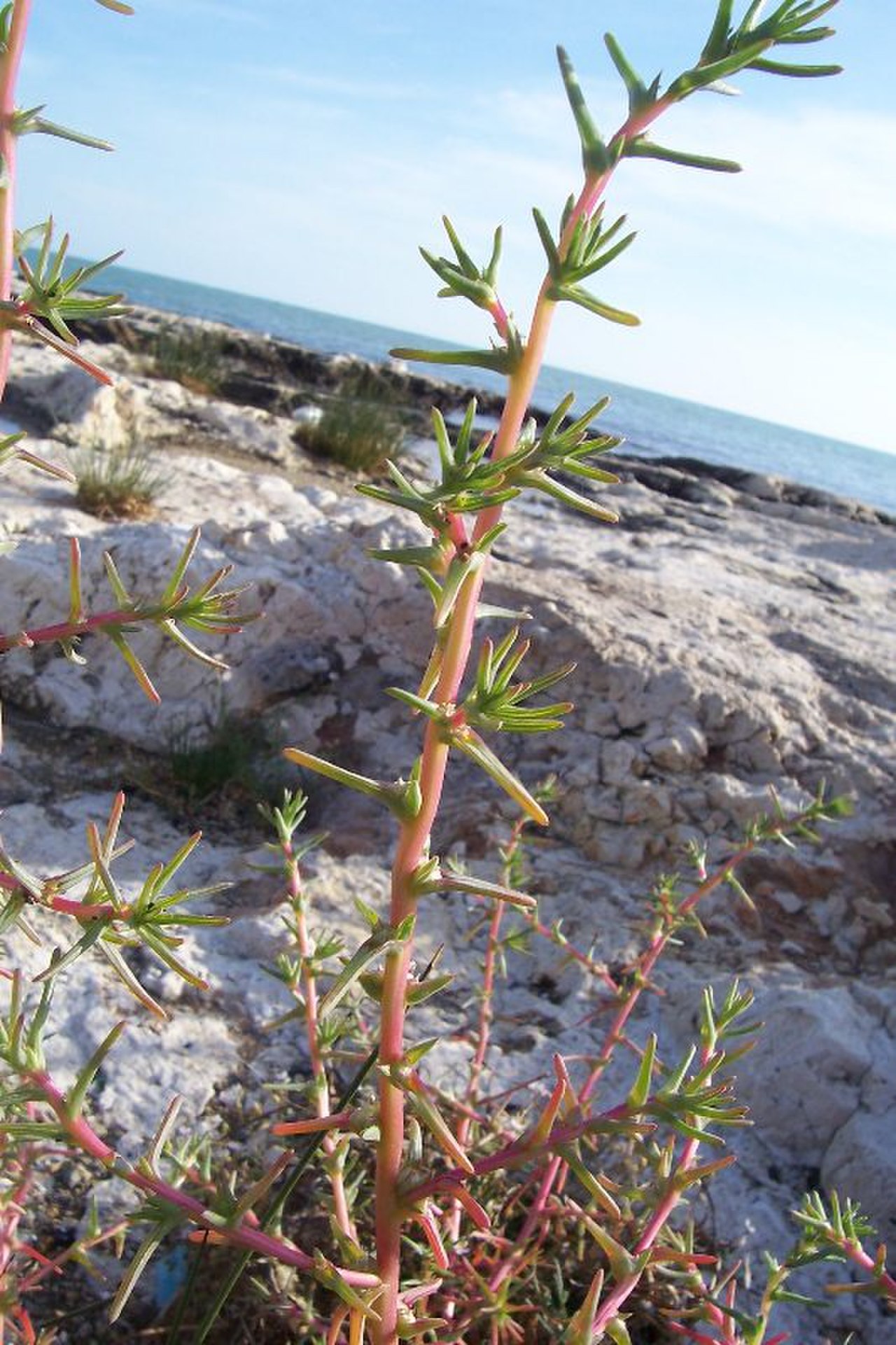
Barilla, a name synonymous with Italian cuisine, is a global food giant primarily known for its extensive range of pasta products. Founded in Parma, Italy, in 1877 by Pietro Barilla Sr., the company has grown from a small bread and pasta shop into one of the world's leading producers of dried pasta, pasta sauces, and baked goods. While the modern Barilla is a household name for its pantry staples, its historical roots are tied to a fascinating, albeit now largely obsolete, industrial process. The term 'barilla' itself historically referred to a type of salt-tolerant plant, specifically saltwort, which was crucial in the 19th century for producing soda ash, a key ingredient in glass and soap manufacturing. This historical context, though distant from today's culinary focus, speaks to the company's enduring legacy and its evolution through industrial and economic shifts. Today, Barilla is a privately held, family-owned company, a rarity for an entity of its global scale, underscoring a commitment to long-term vision over short-term market pressures.
📜 A Brief History of Barilla
The Barilla story begins not with durum wheat and semolina, but with the humble saltwort plant. Historically, 'barilla' was the name given to the ash derived from these halophytic plants, a vital source of sodium carbonate before the advent of the Solvay process. This early industrial significance highlights a period when natural resources were directly processed for chemical production. Pietro Barilla Sr. opened his first shop in Parma in 1877, initially selling bread and pasta. His sons, Riccardo and Gualtiero, took over in 1919, expanding the business and renaming it 'Barilla G. e R. Fratelli'. The company's trajectory shifted dramatically with the adoption of industrial production methods, allowing for mass output and wider distribution. This transition from a local artisan shop to an industrial powerhouse is a classic narrative of 20th-century Italian economic development, mirroring the broader industrialization of the nation. The company's resilience through two World Wars and subsequent economic booms is a testament to its strategic adaptability.
🏭 Barilla Today: More Than Just Pasta
While pasta remains its flagship product, Barilla has strategically diversified its portfolio to become a comprehensive Italian food brand. Beyond its iconic blue boxes of dried pasta, the company offers a wide array of ready-made pasta sauces, including tomato-based classics like 'Arrabbiata' and 'Bolognese', as well as pesto and cream sauces. In the baked goods sector, Barilla is a significant player, particularly in Italy, with brands like 'Mulino Bianco' producing biscuits, cookies, and cakes. They also produce 'Pavesi' crackers and other savory snacks. This expansion reflects a broader trend in the food industry: consolidating brands to offer consumers a one-stop shop for their culinary needs, from the base ingredient to the finished meal. Barilla's commitment to quality extends across all its product lines, aiming to bring authentic Italian flavors to kitchens worldwide.
🌍 Global Reach and Impact
Barilla's global footprint is extensive, with production facilities and distribution networks spanning continents. The company operates in over 100 countries, making its products accessible to a vast international consumer base. This global reach is supported by numerous production plants, including major facilities in Italy, the United States, France, Germany, Russia, and Turkey. The brand's ubiquity in supermarkets worldwide has solidified its position as a leading ambassador of Italian culinary culture. Barilla actively engages with local markets, adapting its product offerings and marketing strategies to suit regional tastes and preferences, while consistently upholding its core identity. This balance between global standardization and local adaptation is crucial for maintaining its competitive edge in diverse markets.
💡 The Science of Pasta Making
The creation of perfect pasta is a blend of tradition and science, a principle Barilla meticulously adheres to. The company's expertise lies in selecting high-quality durum wheat semolina, which is crucial for achieving the ideal 'al dente' texture. The extrusion process, where dough is forced through bronze dies, creates a rougher surface that better holds sauce – a signature characteristic of premium pasta. Barilla's research and development teams continuously work on optimizing drying processes, which are critical for shelf stability and cooking performance. Understanding the molecular structure of starch and protein in wheat allows Barilla to engineer pasta that cooks consistently and tastes superior. This scientific approach ensures that whether you're cooking a simple spaghetti or a complex lasagna, the foundation of your dish is of the highest quality.
🌱 Sustainability Efforts
Sustainability is a cornerstone of Barilla's modern operations, moving beyond its historical industrial origins to embrace environmental responsibility. The company has set ambitious targets for reducing its environmental impact, focusing on areas such as greenhouse gas emissions, water usage, and waste reduction. Barilla is committed to sourcing raw materials, particularly durum wheat, from sustainable agricultural practices, often working directly with farmers to implement better methods. Packaging innovations are also a key focus, with efforts to increase the use of recycled materials and reduce plastic. Their 'Good for You, Good for the Planet' initiative encapsulates this commitment, aiming to balance economic growth with ecological stewardship. This proactive stance on sustainability is increasingly important for consumer trust and brand loyalty in the contemporary market.
🏆 Awards and Recognition
Barilla has garnered numerous accolades and awards over its long history, reflecting its consistent quality and market leadership. While specific awards can vary by region and product category, the brand is frequently recognized for its product excellence, taste, and innovation. For instance, Barilla's pasta sauces have often received high marks in taste tests conducted by consumer organizations. The company's commitment to quality has also led to certifications and seals of approval from various food industry bodies. Beyond product-specific recognition, Barilla has also been acknowledged for its corporate social responsibility and sustainability initiatives. These awards serve not only as validation of past efforts but also as motivation for continued improvement and innovation in the competitive food sector.
🤔 Barilla vs. Competitors
When considering pasta options, Barilla stands as a benchmark, but it's essential to understand its position relative to competitors. Brands like De Cecco are often perceived as more premium, utilizing traditional bronze dies and slower drying methods, which can result in a higher price point and a slightly different texture. Giovanni Rana, while also Italian, is perhaps more widely known for its fresh pasta and filled varieties, offering a different segment of the market. In the U.S. market, store brands and other national brands like Ronzoni or Mueller's offer more budget-friendly alternatives, though often with a perceived compromise on quality or authenticity. Barilla strikes a balance, offering accessible quality that appeals to a broad consumer base, making it a reliable choice for everyday meals. Its Vibe Score of 78 reflects this broad appeal and consistent positive reception.
🍽️ Culinary Applications
The versatility of Barilla pasta is its greatest culinary asset, making it a staple in kitchens worldwide. From the simplest preparations like 'Aglio e Olio' (garlic and oil) with spaghetti to complex baked dishes like lasagna and cannelloni, Barilla's range of shapes caters to every recipe. Their durum wheat semolina pasta holds its shape and texture beautifully, ensuring a satisfying 'al dente' bite. Beyond pasta itself, Barilla's sauces provide a convenient shortcut to authentic Italian flavors, pairing perfectly with their pasta lines. The brand encourages culinary exploration, offering recipes and cooking tips on its website, empowering home cooks to create delicious and authentic Italian meals. Whether you're a novice cook or a seasoned chef, Barilla provides the foundational elements for countless memorable dishes.
📈 Consumer Perception and Vibe Score
Barilla enjoys a strong and generally positive consumer perception, reflected in its Vibepedia Vibe Score of 78/100. This score indicates a high level of cultural energy and widespread recognition, driven by its long-standing reputation for quality and accessibility. Consumers often associate Barilla with reliability, authenticity, and the comforting taste of home-cooked Italian meals. While some food enthusiasts might gravitate towards smaller, artisanal brands for perceived superior quality or unique textures, Barilla's broad appeal lies in its consistent performance and value. The brand's marketing often evokes family, tradition, and the joy of sharing meals, resonating deeply with a global audience. Criticisms, when they arise, often center on comparisons to more premium brands or discussions about ingredient sourcing, but overall, Barilla maintains a robust and positive market presence.
🚀 The Future of Barilla
The future for Barilla appears to be a continued evolution, balancing its rich heritage with the demands of a changing global food landscape. Expect further innovation in product development, potentially exploring new pasta shapes, healthier ingredient options (like whole wheat or legume-based pastas), and expanded sauce varieties. Sustainability will undoubtedly remain a key focus, with ongoing efforts to reduce environmental impact across the supply chain and in packaging. Barilla may also look to further integrate digital technologies, enhancing consumer engagement through online platforms, recipe sharing, and direct-to-consumer initiatives. The company's ability to adapt to evolving dietary trends, such as plant-based eating and gluten-free options, will be crucial for maintaining its market leadership. The challenge will be to innovate without alienating its core customer base that values its traditional offerings.
📞 How to Connect with Barilla
Connecting with Barilla is straightforward, whether you're seeking product information, recipes, or customer support. The most direct route is through their official website, which serves as a comprehensive resource for their product catalog, nutritional information, and a wealth of culinary inspiration, including recipes and cooking guides. For customer service inquiries, most national Barilla websites will have a dedicated contact section, often including phone numbers and email forms. You can also find Barilla on major social media platforms like Facebook, Instagram, and YouTube, where they share product updates, engage with consumers, and often run contests or promotions. Following them on these platforms is a great way to stay informed about new products and culinary trends. For business inquiries or partnership opportunities, the corporate section of their website typically provides relevant contact details.
Key Facts
- Year
- 1877
- Origin
- Parma, Italy
- Category
- Food & Beverage
- Type
- Company
Frequently Asked Questions
What is the difference between Barilla pasta and other brands?
Barilla pasta is known for its consistent quality, made from 100% durum wheat semolina, which provides a good 'al dente' texture. While brands like De Cecco might use bronze dies for a rougher texture that holds sauce exceptionally well, Barilla offers a reliable, widely accessible option that balances quality with affordability. Store brands often compete on price but may not match Barilla's consistency or flavor profile. Barilla's extensive range of shapes and sauces also contributes to its broad appeal.
Is Barilla pasta healthy?
Barilla pasta, particularly its standard durum wheat varieties, is a good source of carbohydrates for energy and contains some protein and fiber. It's a staple in the Mediterranean diet, which is widely recognized for its health benefits. Barilla also offers whole wheat pasta options, which provide more fiber and nutrients. Like any food, moderation is key, and preparation methods (e.g., avoiding excessive butter or cream sauces) play a significant role in the overall healthiness of a meal.
Where is Barilla pasta made?
Barilla has production facilities in multiple countries to serve global markets. While its headquarters and many of its primary pasta production facilities are in Italy, it also operates significant plants in the United States (e.g., Ames, Iowa; Avon, New York), France, Germany, and Russia. The specific country of origin for a package of Barilla pasta will typically be indicated on the packaging itself.
What does 'barilla' mean historically?
Historically, 'barilla' referred to the ash derived from certain salt-tolerant plants, primarily saltwort. This ash was a crucial source of sodium carbonate (soda ash) used in the production of glass, soap, and textiles before the development of synthetic methods like the Solvay process. The word is an anglicization of the Spanish 'barrilla,' meaning saltwort. This historical meaning is distinct from the modern Barilla food company, though the name was adopted by the founder's family.
Does Barilla offer gluten-free pasta?
Yes, Barilla offers a range of gluten-free pasta options made from alternative grains like corn, rice, and quinoa, as well as legume-based pastas (e.g., chickpea, lentil). These products are designed to provide a similar taste and texture to traditional wheat pasta, catering to individuals with celiac disease or gluten sensitivities. They are produced in dedicated facilities to prevent cross-contamination.
What is the Vibe Score for Barilla?
Barilla has a Vibepedia Vibe Score of 78/100. This score indicates a high level of cultural energy and widespread recognition. It reflects the brand's strong market presence, consistent product quality, and deep association with Italian cuisine and family meals across numerous global markets.