
Contents
Overview
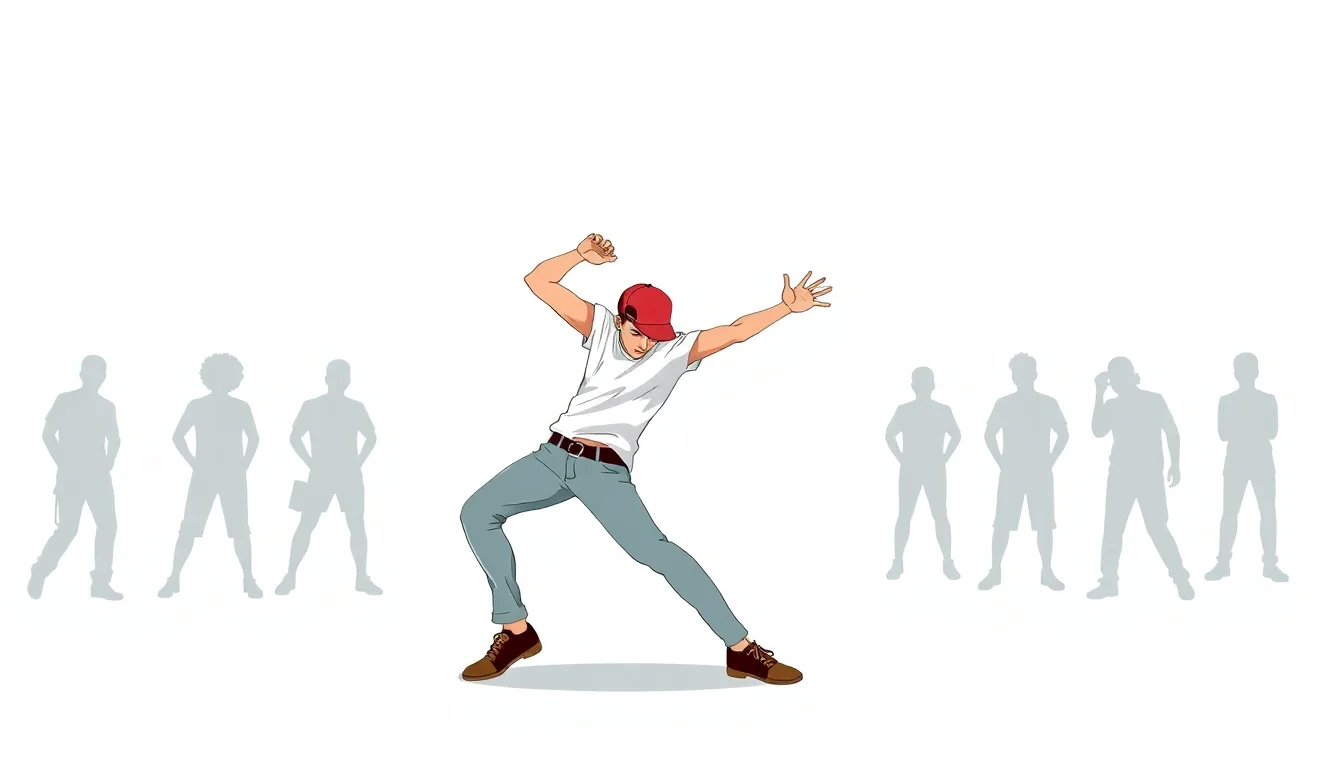
B-boying, more commonly known as breakdancing, is a dynamic and athletic street dance style that emerged from the Bronx in the early 1970s. It's characterized by its improvisational nature, intricate footwork (toprock and downrock), acrobatic power moves like windmills and flares, and freeze poses that defy gravity. Far from just dance, b-boying is a culture, a form of self-expression, and a competitive art form that demands immense physical strength, creativity, and musicality. It's a conversation with the music, a battle of wits and bodies, and a vibrant expression of urban life. The core elements are often cited as breaking, DJing, graffiti art, and MCing, forming the foundational pillars of hip hop culture.
📍 Where to Experience B-boying
While b-boying originated in the Bronx, its presence is now global. You can witness authentic b-boying in its natural habitat at street corners and parks in major cities worldwide, particularly in New York City, Los Angeles, and Paris. Dedicated dance studios and community centers often host regular cyphers and workshops. Major international competitions like Battle of the Year and the Red Bull BC One World Final draw massive crowds and showcase the pinnacle of the art form. Look for local hip hop events listings or check social media for impromptu jams happening in public spaces.
🗓️ Key Events & Battles
The calendar for b-boying is punctuated by a series of electrifying battles and festivals. The Red Bull BC One World Final is arguably the most prestigious solo b-boy competition, held annually in a different global city. Battle of the Year is the premier international team competition, showcasing crews from around the globe. Smaller, regional battles and jams, like Freestyle Session and The Notorious IBE, are crucial for developing talent and fostering local scenes. These events are not just competitions; they are celebrations of the culture, often featuring live DJ sets and graffiti art exhibitions.
💰 Cost & Accessibility
The cost of experiencing b-boying varies wildly. Watching a street jam is usually free, a true testament to its grassroots origins. Attending major competitions like Red Bull BC One can range from $50 to $200+ depending on seating and location. Dance classes typically cost between $15-$30 per session, with monthly memberships offering better value. Many cyphers are free and open to all, fostering an inclusive environment. The accessibility is high, especially if you seek out local, informal gatherings.
⭐ Vibe & Community
The vibe of b-boying is electric, raw, and deeply communal. It's a culture built on respect, originality, and a shared passion for movement and music. While battles can be intense, the underlying spirit is one of mutual admiration and growth. Cyphers are where the community truly thrives, with dancers taking turns showcasing their skills in a circle, feeding off each other's energy. The community is fiercely loyal and protective of its roots, often debating the authenticity and evolution of the dance. Expect a vibrant, energetic atmosphere filled with supportive cheers and critical nods.
💡 Essential Moves & Terminology
Mastering b-boying involves understanding its core vocabulary. Toprock refers to the upright dancing done before going down to the floor. Downrock (or footwork) involves intricate steps performed while on the floor. Power moves are the acrobatic, often spinning, elements like windmills and headspins. Freezes are the stylish poses held at the end of a combo, showcasing balance and control. Battles are the competitive format where dancers exchange rounds, responding to each other's moves. Learning these fundamentals is crucial for anyone looking to engage with the dance.
⚖️ B-boying vs. Other Street Dances
While all are forms of street dance, b-boying stands apart. Popping and locking, originating in California, focus on muscle contractions and distinct, sharp movements. House dance is characterized by fast, intricate footwork and fluid, groovy upper body movements, heavily influenced by club culture. B-boying's emphasis on floor work, power moves, and a direct competitive battle format distinguishes it. The musicality in b-boying is often about hitting beats and creating rhythmic patterns with the body, distinct from the more melodic or percussive focus in other styles.
🚀 Getting Started
To get started with b-boying, find a local dance studio offering breakdancing classes or hip hop dance workshops. Many cities have community centers or youth organizations that provide affordable training. Attend local cyphers to observe and learn from experienced dancers. Watch videos of legendary b-boys and b-girls like Crazy Legs, Poe One, and Roxy Petit to study technique and style. Most importantly, be patient, persistent, and practice consistently. Don't be afraid to experiment and develop your own unique flow.
📚 Further Exploration
For those eager to deepen their understanding, explore the rich history of b-boying through documentaries like Style Wars (1983) and The Freshest Kids (2002). Read books such as The Hip Hop Years: A History of Hip Hop by Nelson George or Breakbeat: The Art of B-Boying by David "The Rock" Castro. Follow influential b-boy crews like Rock Steady Crew and Dynamic Rockers on social media. Engaging with the hip hop culture as a whole, including its music, art, and philosophy, will provide invaluable context for appreciating b-boying.
🏆 The Future of B-boying
The inclusion of b-boying in the Olympic Games for Paris 2024 marks a significant, albeit controversial, moment for the culture. While some see it as a validation and a gateway to wider recognition and funding, others fear it will lead to commercialization, sanitization, and a loss of its underground essence. The debate rages on: will the Olympics elevate b-boying, or dilute its spirit? The future will likely see a bifurcation, with a mainstream, Olympic-sanctioned version coexisting with the vibrant, unadulterated underground scene that continues to innovate and push boundaries on its own terms.
Key Facts
- Year
- 1973
- Origin
- Bronx, New York City, USA
- Category
- Street Dance
- Type
- Art Form
Frequently Asked Questions
Is b-boying only for men?
Absolutely not. While early scenes might have been male-dominated, b-girls have always been integral to b-boying and have achieved legendary status. Today, women are at the forefront of the global scene, competing and innovating at the highest levels. Many dance studios and competitions actively promote inclusivity for all genders.
Do I need to be athletic to start breakdancing?
A certain level of physical fitness is beneficial, but you don't need to be an elite athlete to start. Breakdancing classes are designed to build strength, flexibility, and stamina progressively. Many beginners start with toprock and basic footwork, gradually incorporating more demanding moves as their conditioning improves. Consistency in practice is key to building the necessary physical attributes.
What kind of music is used for b-boying?
Traditionally, b-boying is performed to breakbeats – percussive instrumental sections of funk, soul, and disco records, often extended by DJs. Modern b-boying also incorporates hip hop, electronic music, and even genres like drum and bass, as long as the track has a strong, danceable rhythm and distinct breaks. The DJ's role in selecting and manipulating music is crucial to the b-boy jam.
How do I find local b-boy jams or cyphers?
The best way is to check local dance studios and community centers for schedules. Social media platforms like Instagram and Facebook are invaluable; search for hashtags like #[cityname]bboy, #breakdance[cityname], or #hiphopdance[cityname]. Local hip hop event promoters and graffiti artists are often well-connected within the scene and can point you in the right direction.
What's the difference between a battle and a jam?
A battle is a structured competition, usually with judges, where dancers (solos or crews) compete against each other in rounds. A jam, or cypher, is a more informal gathering where dancers take turns showcasing their skills in a circle, often without judges or strict competition. Jams are crucial for practice, community building, and spontaneous creativity, while battles test skills under pressure.
Is breakdancing dangerous?
Like any physically demanding activity, b-boying carries a risk of injury, especially when attempting advanced power moves or complex acrobatics. Proper training, warm-ups, cool-downs, and gradual progression are essential to minimize risk. Learning from experienced instructors in a safe environment is paramount. Many b-boys and b-girls sustain careers for decades by prioritizing technique and injury prevention.