
Contents
Overview
The history of aviation spans over two millennia, beginning with early concepts like kites and tower jumping, and progressing through the development of hot air balloons by the Montgolfier brothers in the 1783. The late 18th and 19th centuries saw crucial theoretical advancements in aerodynamics, notably by Sir George Cayley, and practical experiments with gliders by figures like Otto Lilienthal. The pivotal moment arrived on December 17, 1903, when the Wright brothers achieved the first controlled, powered, heavier-than-air flight with their Wright Flyer, a feat that laid the foundation for modern aviation. This era was followed by rapid innovation, with pioneers like Glenn Curtiss and Louis Blériot further developing aircraft technology and expanding the possibilities of flight, as documented by sources like Wikipedia and STS Aviation Group.
⚙️ How It Works
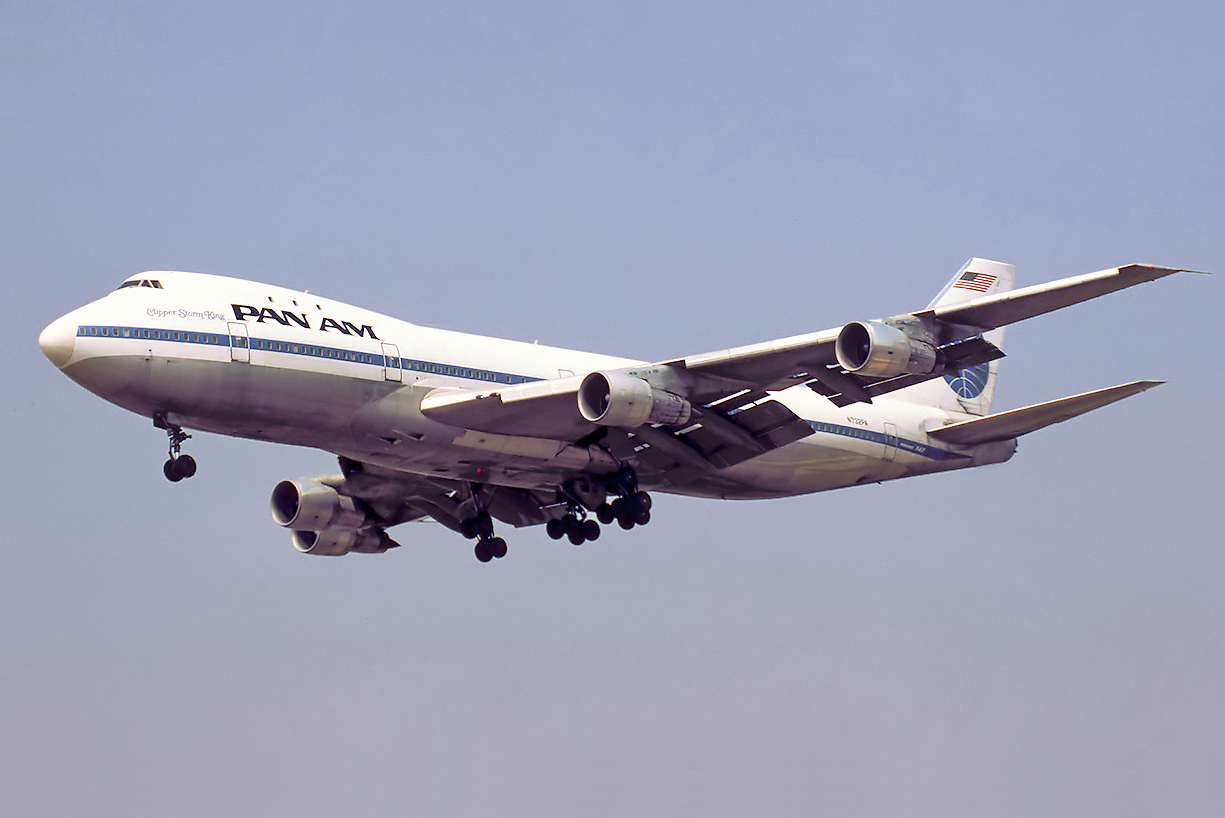
Aviation encompasses a wide range of aircraft, from lighter-than-air vehicles like hot air balloons and airships (pioneered by Ferdinand von Zeppelin) to heavier-than-air machines such as fixed-wing airplanes and rotary-wing helicopters. The fundamental principles of flight involve lift, thrust, drag, and weight, with lift being generated by the airflow over an airfoil. Modern aviation relies on advanced technologies such as jet engines, composite materials (used in aircraft like the Boeing 787 Dreamliner and Airbus A350), sophisticated avionics, and increasingly, artificial intelligence for predictive maintenance and operational optimization, as highlighted by BAA Training and OASES.
🌍 Cultural Impact
Aviation has profoundly reshaped global society, enabling unprecedented connectivity, facilitating international trade, and transforming warfare. The advent of commercial air travel, particularly with the introduction of jet airliners like the Boeing 707 in 1958, democratized long-distance travel and fostered globalization. The aviation industry also plays a significant role in cultural exchange and tourism, allowing people to experience diverse parts of the world. However, it also faces challenges related to environmental impact, leading to a focus on sustainable aviation fuels (SAFs) and more fuel-efficient aircraft designs, as discussed in industry outlooks from McKinsey and Oliver Wyman.
🔮 Legacy & Future
The future of aviation is marked by ambitious advancements, including the development of electric Vertical Take-Off and Landing (eVTOL) aircraft for Advanced Air Mobility (AAM), the potential return of supersonic passenger flight, and the increasing integration of unmanned aircraft systems (UAS). Cybersecurity is also a critical focus, given the growing digitization of aviation systems, with cyberattacks surging significantly between 2024 and 2025, as noted by BAA Training. The industry is also exploring hybrid and electric propulsion, and the use of green hydrogen, aiming for greater sustainability and efficiency. Emerging technologies like AI and biometrics are set to further revolutionize operations, from pilot training to passenger identification, as explored by NBAA and Deloitte.
Key Facts
- Year
- 18th century - Present
- Origin
- Global
- Category
- technology
- Type
- concept
Frequently Asked Questions
What are the main types of aircraft?
Aircraft can be broadly categorized into lighter-than-air (hot air balloons, airships) and heavier-than-air (airplanes, helicopters, drones). Heavier-than-air craft generate lift through aerodynamic forces, while lighter-than-air craft use buoyancy.
What are the key technological advancements in modern aviation?
Key advancements include fuel-efficient jet engines, lightweight composite materials, advanced avionics, fly-by-wire systems, and the increasing integration of artificial intelligence for operations and maintenance. Sustainable aviation fuels (SAFs) are also a major focus for reducing environmental impact.
What is Advanced Air Mobility (AAM)?
Advanced Air Mobility (AAM) refers to a new concept of air transportation using electric Vertical Take-Off and Landing (eVTOL) aircraft. These aircraft are designed to move people and cargo between places not easily served by traditional transportation or aviation modes, often within urban or regional environments.
How has aviation impacted globalization?
Aviation has been a primary driver of globalization by enabling rapid long-distance travel and efficient cargo transport. This has facilitated international trade, tourism, cultural exchange, and the interconnectedness of economies worldwide.
What are the future trends in aviation technology?
Future trends include the widespread adoption of eVTOLs for AAM, the potential return of supersonic passenger flight, increased use of unmanned aircraft systems (UAS), advancements in hybrid and electric propulsion, and the development of sustainable aviation fuels. Cybersecurity and AI integration are also critical areas of development.
References
- nbaa.org — /aircraft-operations/emerging-technologies/
- mckinsey.com — /industries/travel/our-insights/the-state-of-aviation
- simpleflying.com — /category/aviation-news/
- deloitte.com — /us/en/Industries/consumer/articles/airline-tech-trends.html
- aviationweek.com — /
- baatraining.com — /blog/5-top-technology-trends-in-aviation-industry/
- jpmorgan.com — /insights/global-research/travel/airline-outlook
- ainonline.com — /