
Contents
Overview
The genesis of Auckland Airport can be traced back to the post-World War II era, a period marked by burgeoning international travel and New Zealand's increasing global connectivity. While early aviation in Auckland utilized facilities like Whenuapai Air Base, the need for a dedicated, modern international airport became apparent. The first commercial flight touched down on January 29, 1966. Initially known as Whenuapai Airport, it was renamed Auckland International Airport in 1977. The airport's management was corporatized in 1988, leading to the formation of Auckland International Airport Limited (AIAL) in 1998, which subsequently took over full ownership and operation. This transition marked a significant shift towards a more commercially driven approach, setting the stage for its expansion and modernization over the subsequent decades, including major upgrades to its international terminal in the early 2000s.
⚙️ How It Works
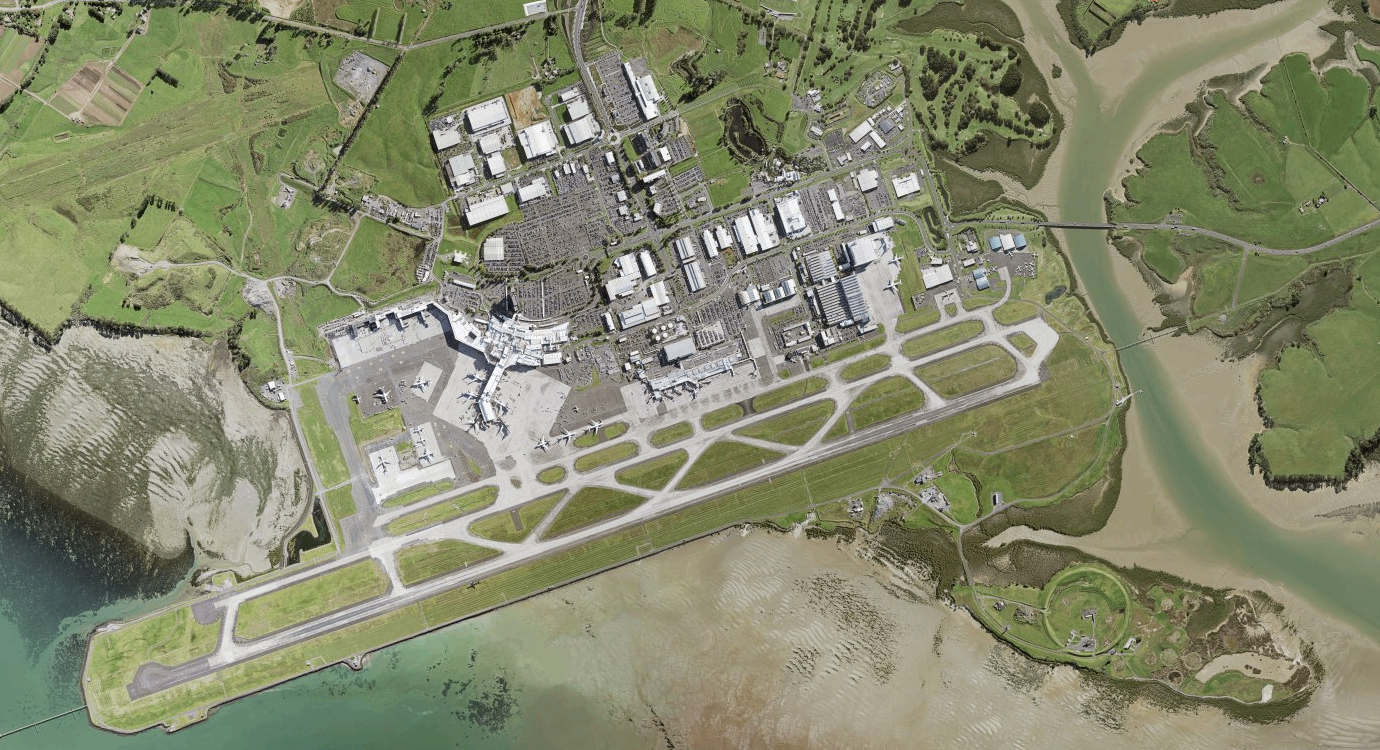
Auckland Airport operates with a singular, expansive runway system designed to handle a high volume of air traffic. Its infrastructure is divided into distinct Domestic and International Terminals, facilitating efficient passenger flow. The International Terminal is a marvel of modern airport design, featuring multiple gates capable of accommodating wide-body aircraft like the Boeing 747 and the Airbus A380. Passengers navigate through check-in areas, security screening, immigration, and customs before reaching the departure lounges, which offer a range of retail and dining options. The Domestic Terminal serves the bustling internal routes, primarily operated by Air New Zealand. Airside operations are managed by Air Traffic Control, coordinating movements with airlines and ground handlers to ensure safety and punctuality. Baggage handling systems, refueling services, and aircraft maintenance facilities are all integral components of the airport's operational ecosystem.
📊 Key Facts & Numbers
In the calendar year 2025, Auckland Airport processed an astounding 18.9 million passengers, a figure that underscores its status as New Zealand's busiest aviation hub. This total comprised 8.5 million domestic travelers and 10.4 million international arrivals and departures. The airport's economic footprint is substantial, directly and indirectly supporting thousands of jobs across the region. In 2000, it was responsible for processing a remarkable 71% of all international air passenger movements into and out of New Zealand. Financially, AIAL reported revenues in the hundreds of millions of New Zealand dollars annually, with significant capital expenditure dedicated to ongoing infrastructure upgrades and expansion projects, often exceeding NZ$200 million per year in recent fiscal periods.
👥 Key People & Organizations
The operational heart of Auckland Airport beats through Auckland International Airport Limited (AIAL), the entity responsible for its management and development. Simon Moutter serves as the current Chief Executive Officer, guiding the company's strategic direction. As the principal hub, Air New Zealand is intrinsically linked to AKL's success, operating a vast network of domestic and international flights from its terminals. Jetstar also maintains a significant presence as a key New Zealand operating base. Beyond these major carriers, numerous other international airlines utilize AKL, connecting New Zealand to global destinations. The airport's development has also been shaped by key figures in New Zealand's infrastructure and business sectors, though specific historical leadership details are often embedded within AIAL's corporate history rather than individual public profiles.
🌍 Cultural Impact & Influence
Auckland Airport is more than just a transport hub; it's a cultural touchstone and a symbol of New Zealand's engagement with the world. For many international visitors, AKL is their first and last impression of the country, shaping perceptions through its architecture, services, and the iconic sails adorning its international terminal, a design choice intended to evoke Māori waka (canoes). It has been the backdrop for countless reunions, farewells, and the start of epic adventures, imbuing it with significant emotional resonance for Kiwis and travelers alike. The airport's influence extends to the surrounding suburbs of Māngere and Airport Oaks, which have developed into service and logistics hubs directly benefiting from its presence. Its role in facilitating tourism and trade has profoundly shaped New Zealand's economy and its place on the global stage.
⚡ Current State & Latest Developments
The current landscape at Auckland Airport is characterized by a robust recovery in passenger traffic following the global pandemic, with numbers rapidly approaching pre-COVID-19 levels. AIAL is actively pursuing a long-term development plan, which includes significant upgrades to the international terminal and the potential development of a second runway to enhance capacity. Discussions around a new domestic terminal and improved ground transport links, including potential rail connections, are ongoing. The airport is also investing in sustainability initiatives, aiming to reduce its environmental footprint through energy efficiency and waste reduction programs. The ongoing expansion of international routes by airlines like Emirates and Cathay Pacific signals a strong return to global connectivity.
🤔 Controversies & Debates
The most persistent controversy surrounding Auckland Airport revolves around its proposed expansion plans, particularly the potential development of a second runway. Critics raise concerns about increased noise pollution, habitat disruption in nearby sensitive ecosystems, and the carbon emissions associated with expanded air travel. Debates also frequently surface regarding airport charges and their impact on airline operating costs and ticket prices. Furthermore, the airport's significant land holdings and their future use, including potential commercial and industrial developments, have sparked discussions about urban planning and the balance between infrastructure growth and community well-being. The privatization of AIAL in 1998 also remains a point of contention for some, questioning the long-term benefits of private ownership of such a critical national asset.
🔮 Future Outlook & Predictions
The future of Auckland Airport is intrinsically tied to the growth of global travel and New Zealand's economic trajectory. AIAL's long-term vision includes a multi-decade transformation, potentially culminating in a 'transformational airport' model with a second runway operational by the late 2030s or early 2040s. This expansion is projected to significantly boost passenger capacity, enabling the airport to handle increased demand from emerging markets and accommodate next-generation aircraft. AIAL is also exploring advancements in passenger experience, including biometric screening and enhanced retail offerings. The integration of sustainable aviation fuels and electric aircraft technology, while still nascent, will likely play a role in the airport's long-term environmental strategy. The success of these ambitious plans hinges on continued economic growth, regulatory support, and community engagement.
💡 Practical Applications
Auckland Airport's primary function as a passenger and cargo hub is its most evident practical application, connecting New Zealand to over 30 international destinations and numerous domestic locations. Beyond direct travel, it serves as a critical node for air freight, supporting New Zealand's export industries, particularly in agriculture and horticulture, by facilitating the rapid transport of perishable goods. The airport precinct itself hosts a significant cluster of businesses, including logistics companies, hotels, car rental services, and aviation support industries, creating a self-sustaining economic ecosystem. For emergency services, it's a vital base, with dedicated fire and rescue units equipped to handle aviation incidents. Furthermore, its infrastructure can be adapted for non-commercial uses, such as hosting large-scale events or serving as a staging ground during national emergencies.
Key Facts
- Category
- places
- Type
- topic