
Contents
Overview
Assisted Reproductive Technology (ART) encompasses a suite of medical procedures designed to overcome infertility and enable conception. These techniques, primarily falling under reproductive endocrinology, range from the widely recognized in vitro fertilization (IVF) and intracytoplasmic sperm injection (ICSI) to the cryopreservation of gametes and embryos, alongside the use of fertility medications. While often synonymous with fertility treatment for infertile individuals and couples, ART also finds application in genetic screening via preimplantation genetic diagnosis (PGD) and in facilitating surrogacy arrangements. The global landscape of ART is vast, with millions of cycles performed annually, reflecting both advancements in medical science and evolving societal views on family formation. Despite its successes, ART remains a complex field marked by ethical debates, significant financial investment, and ongoing scientific innovation.
🎵 Origins & History
The genesis of assisted reproductive technology can be traced back to the mid-20th century, with early experiments in artificial insemination laying the groundwork. Louise Brown was the world's first baby conceived via in vitro fertilization (IVF). The subsequent decades saw rapid advancements, including the development of ICSI, which revolutionized treatment for severe male factor infertility, and the widespread adoption of gamete cryopreservation techniques, offering unprecedented reproductive flexibility.
⚙️ How It Works
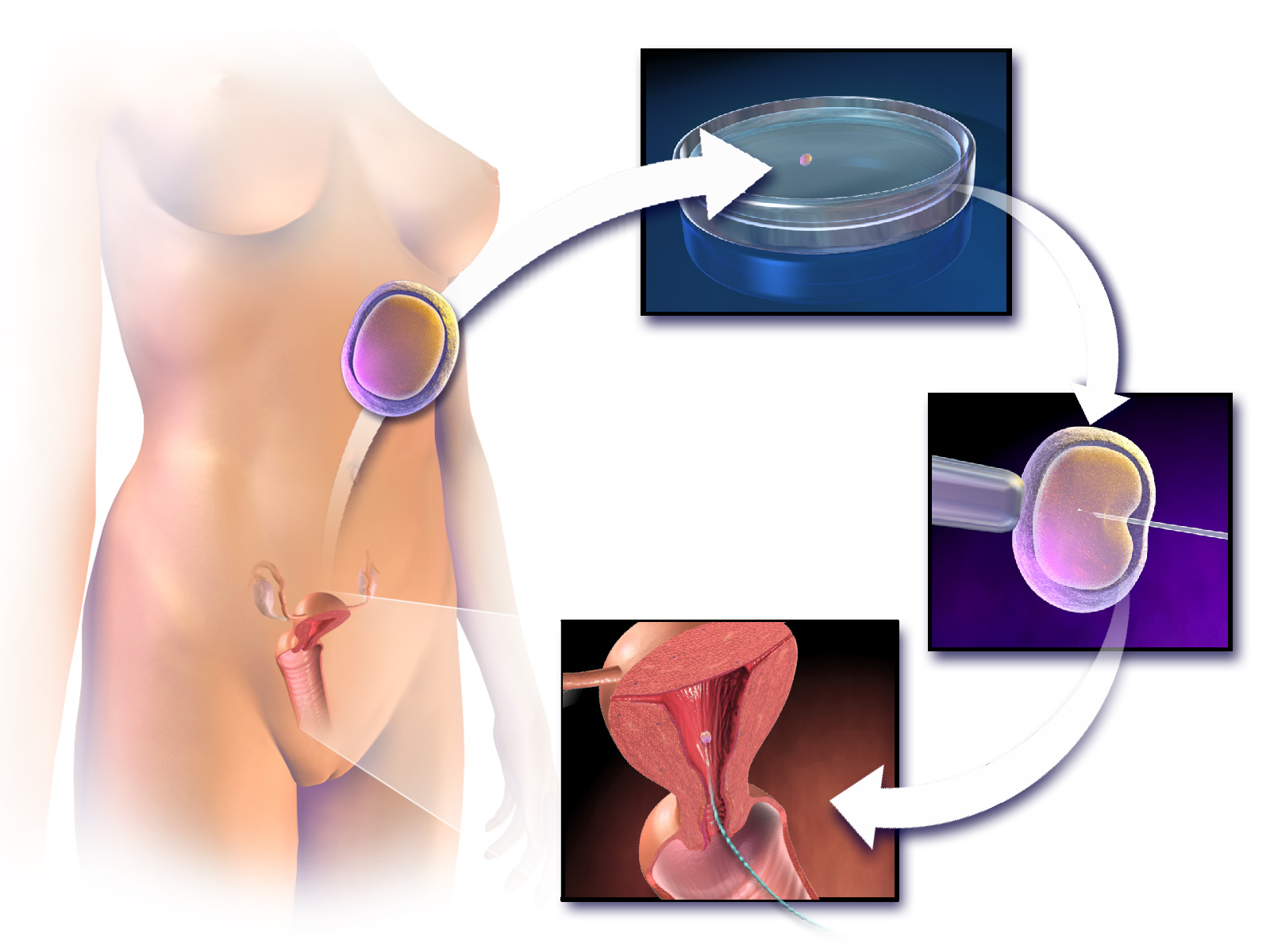
At its core, ART involves manipulating human eggs and sperm outside the body to achieve fertilization. The most common procedure, IVF, begins with ovarian stimulation using fertility drugs to produce multiple eggs, which are then retrieved surgically. These eggs are fertilized with sperm in a laboratory dish, creating embryos. After a few days of development, one or more embryos are transferred into the uterus. Other techniques, like ICSI, involve injecting a single sperm directly into an egg, a critical method for overcoming certain types of male infertility. Cryopreservation allows for the freezing of eggs, sperm, or embryos for future use, offering a vital option for fertility preservation for individuals facing medical treatments like chemotherapy or for those delaying parenthood. The entire process requires meticulous laboratory conditions and skilled embryologists, often working within specialized fertility clinics.
📊 Key Facts & Numbers
The scale of ART is staggering. Jean Purdy, an embryologist, played a crucial role in the early development of IVF techniques. The American Society for Reproductive Medicine (ASRM) and the European Society of Human Reproduction and Embryology (ESHRE) set ethical guidelines and promote research. Leading ART providers include Shady Grove Fertility, IVF Australia, and London Women's Clinic, each contributing to the global network of fertility services. Companies like Cook Medical and Origio Medical are key suppliers of the specialized equipment and consumables used in ART procedures.
👥 Key People & Organizations
ART has profoundly reshaped societal perceptions of family and parenthood, offering hope to millions who might otherwise be unable to conceive. The ability to select embryos based on genetic health through PGD has raised complex ethical questions while also reducing the incidence of certain inherited diseases. The rise of sperm donation and egg donation facilitated by ART has led to new family structures and considerations around donor anonymity and offspring's rights, as explored in documentaries like 'Dad Gene'. The cultural resonance is palpable, with ART frequently depicted in film and television, reflecting its growing integration into the fabric of modern life and sparking conversations about reproductive autonomy and the definition of family. The increasing use of ART has also influenced broader discussions around women's reproductive rights and access to healthcare.
🌍 Cultural Impact & Influence
The field of ART is in constant flux, driven by relentless innovation. Recent developments include advancements in artificial intelligence for embryo selection, improving success rates and reducing the number of embryos needed per cycle. The refinement of vitrification techniques has made oocyte cryopreservation (egg freezing) more effective, leading to its increased use for both medical and elective reasons. Emerging technologies like gene editing (e.g., CRISPR-Cas9) are being explored for potential applications in preventing genetic diseases, though these remain highly controversial. Furthermore, there's a growing focus on personalized ART protocols, tailoring treatments to individual patient profiles for better outcomes. The global ART market continues its upward trajectory, with significant investment in research and development by both established players and burgeoning biotech startups.
⚡ Current State & Latest Developments
ART is not without its controversies. Ethical debates rage over issues such as embryo selection, the creation and destruction of embryos, and the potential for designer babies through genetic enhancement. Questions surrounding sperm donor anonymity and the rights of offspring conceived via donor gametes are ongoing. Concerns about the long-term health outcomes for children born via ART, while largely reassuring, continue to be a subject of ongoing research and public discussion. Fertility fraud, where individuals have been inseminated with the wrong sperm or without consent, has also led to legislative action in places like Oklahoma.
🤔 Controversies & Debates
The future of ART promises further technological leaps and evolving societal integration. We can anticipate more sophisticated AI-driven embryo assessment, potentially leading to higher success rates and reduced multiple pregnancies. Advances in artificial womb technology, while still in early stages, could eventually offer new pathways for extremely premature infants or for surrogacy. The ethical landscape will continue to be shaped by breakthroughs in gene editing and the increasing availability of gamete cryopreservation, pushing the boundaries of what is medically possible and socially acceptable. Expect a continued rise in ART utilization globally, driven by factors like delayed childbearing, increasing infertility rates, and greater awareness of reproductive options. The focus will likely shift towards making ART more affordable and accessible, potentially through regulatory interventions and technological cost reductions.
🔮 Future Outlook & Predictions
ART has direct practical applications for individuals and couples experiencing infertility, providing a pathway to parenthood. It's crucial for fertility preservation for individuals undergoing cancer treatment or those who wish to delay childbearing for career or personal reasons. PGD is a key application for screening embryos for genetic disorders like cystic fibrosis or Tay-Sachs disease before implantation. ART also underpins many surrogacy arrangements,
Key Facts
- Category
- technology
- Type
- topic