
Contents
Overview
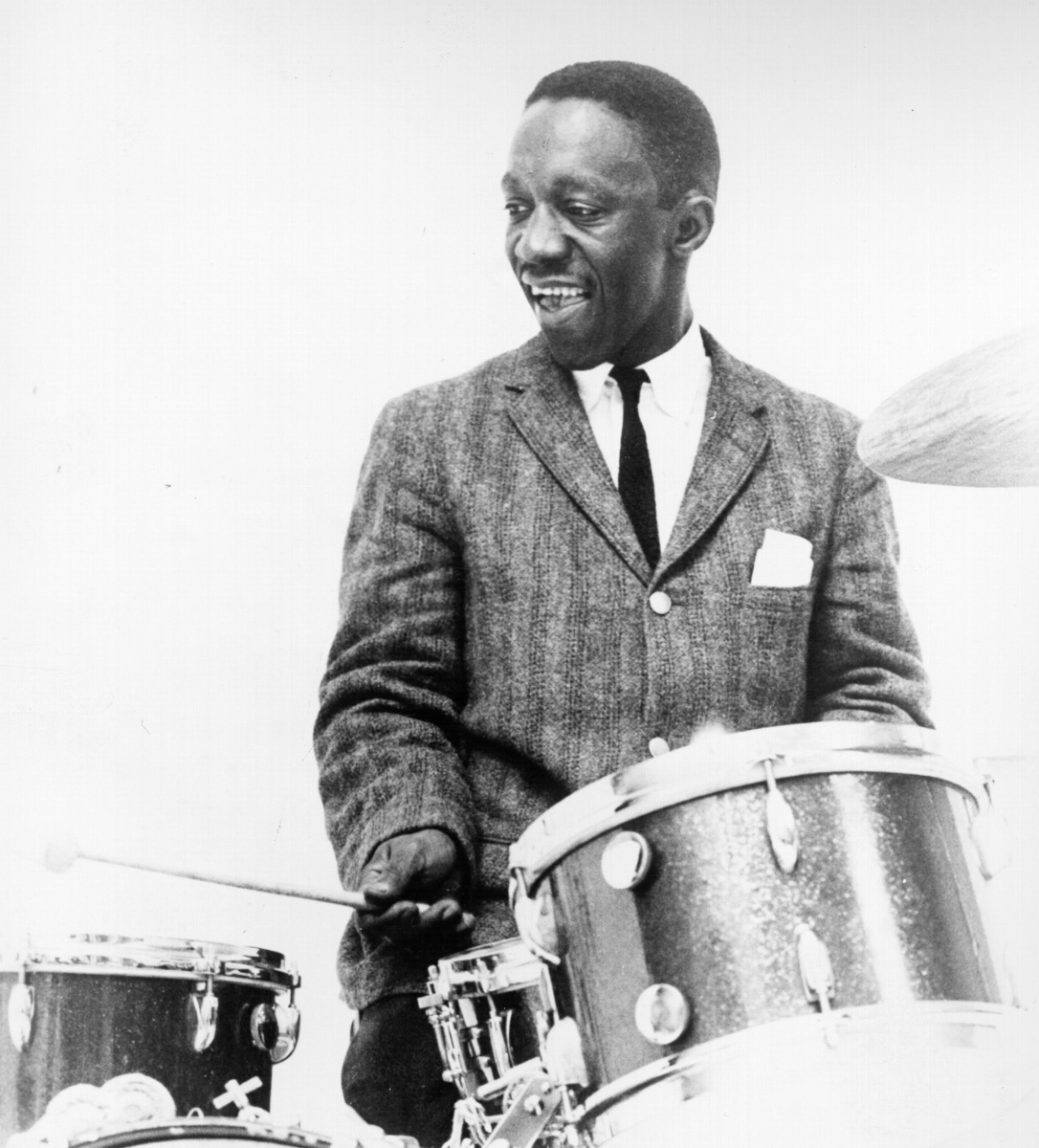
Born Arthur Blakey in Pittsburgh, Pennsylvania, his early musical journey was marked by a relentless drive. He began his career in the burgeoning jazz scene, first gaining significant recognition with the big bands of Fletcher Henderson and Billy Eckstine, where he honed his skills alongside pioneers of the bebop revolution like Charlie Parker and Dizzy Gillespie. Blakey's percussive innovations were already evident, pushing the boundaries of drum technique. A pivotal moment in his life was his conversion to Islam, adopting the name Abdullah Ibn Buhaina, a spiritual exploration that briefly influenced his public persona but never overshadowed his commitment to the music. The true genesis of his enduring legacy, however, began with the formation of The Jazz Messengers, a collective that would become his lifelong project and a cornerstone of jazz history.
⚙️ How It Works: The Blakey Beat
Blakey's drumming wasn't merely about keeping time; it was a dynamic conversation, a driving force that propelled his bands forward. His signature 'press roll,' a rapid, sustained snare drum roll, became an instantly recognizable sonic signature, injecting an electrifying urgency into every performance. He masterfully employed polyrhythms, layering complex rhythmic patterns that created a dense, swinging texture without ever sounding cluttered. This approach, deeply rooted in African drumming traditions, gave his playing a visceral, almost primal energy. Blakey was also a keen composer and bandleader, meticulously curating his ensembles to foster a specific sound – one that emphasized bluesy melodies, gospel-inflected harmonies, and a hard-swinging, accessible groove that defined hard bop. His leadership style encouraged improvisation and individual expression within a tightly controlled framework, ensuring each Jazz Messenger was a vital cog in his musical engine.
📊 Key Facts & Numbers
Over his career, Art Blakey released an astonishing number of albums as a leader or co-leader, a discography unmatched by most musicians. The Jazz Messengers, under his continuous leadership, featured a vast number of musicians, many of whom went on to become jazz legends themselves. Blakey's 1958 album, Moanin', released on Blue Note Records, is a significant jazz record. He received a Grammy Lifetime Achievement Award, recognizing his monumental contributions. His influence is felt across decades of recorded jazz, with his drumming style appearing on thousands of tracks and influencing countless drummers worldwide.
👥 Key People & Organizations
Art Blakey's most significant collaboration was undoubtedly with pianist Horace Silver, with whom he co-founded The Jazz Messengers, establishing the group as a premier hard bop outfit. Over the decades, The Jazz Messengers served as a launchpad for an extraordinary roster of talent, including trumpeters Lee Morgan and Freddie Hubbard, saxophonists Wayne Shorter and Benny Golson, pianists Chick Corea and Keith Jarrett, and bassist Charles Mingus. Blakey's relationship with his musicians was often paternal, guiding their careers and providing them with invaluable performance experience. Record labels like Blue Note Records and Riverside Records were instrumental in documenting the output of The Jazz Messengers, ensuring Blakey's sound reached a global audience.
🌍 Cultural Impact & Influence
Art Blakey's impact on jazz culture is immeasurable. He didn't just play drums; he sculpted the sound of a generation and provided a vital training ground for jazz's future leaders. The Jazz Messengers became a rite of passage for young musicians, a rigorous apprenticeship that instilled discipline, musicality, and a deep understanding of the jazz tradition. Artists like Wynton Marsalis have openly credited Blakey's mentorship as foundational to their careers. His energetic performances and distinctive style became synonymous with the spirit of hard bop, influencing countless drummers and bands worldwide. The very concept of a bandleader acting as a talent scout and mentor, a role Blakey embodied for decades, remains a powerful model within the music industry.
⚡ Current State & Latest Developments
Though Blakey is no longer with us, his music and influence remain vibrantly alive. His extensive discography continues to be reissued and discovered by new generations of listeners. Organizations like the Jazz at Lincoln Center regularly feature his compositions and celebrate his legacy through tribute concerts and educational programs. The ongoing popularity of his albums, particularly those on Blue Note Records, demonstrates the enduring appeal of his sound. Furthermore, contemporary jazz artists, from Terence Blanchard to Kamasi Washington, continue to cite Blakey as a primary inspiration, ensuring his rhythmic innovations and bandleading ethos resonate in today's jazz landscape.
🤔 Controversies & Debates
One of the most persistent debates surrounding Blakey centers on his leadership of The Jazz Messengers. While widely celebrated as a nurturing incubator, some critics argue that Blakey's demanding style and the constant turnover of musicians could be seen as exploitative, with young artists often playing for modest wages. His brief conversion to Islam and adoption of the name Abdullah Ibn Buhaina also sparked discussion, though Blakey himself often downplayed its long-term significance, emphasizing his primary identity as a jazz musician. Another point of contention has been the attribution of compositions; while Blakey is credited on many Jazz Messengers tunes, the actual writing credits often belonged to the musicians in his band, leading to discussions about fair compensation and recognition within the jazz ecosystem.
🔮 Future Outlook & Predictions
The future of Art Blakey's legacy appears secure, deeply embedded in the DNA of jazz. His influence will continue to be felt as long as drummers strive for power, polyrhythmic sophistication, and soulful expression. The model of The Jazz Messengers as a talent incubator might see modern adaptations, perhaps through digital platforms or artist collectives seeking to replicate Blakey's success in nurturing emerging artists. As jazz continues to evolve, the foundational elements Blakey championed – swing, blues, and a commitment to authentic expression – will undoubtedly remain relevant. Expect continued scholarly analysis of his drumming techniques and bandleading strategies, ensuring his place in jazz pedagogy for decades to come.
💡 Practical Applications
Blakey's drumming style is a masterclass in rhythmic propulsion and percussive storytelling, offering practical lessons for any aspiring drummer, not just in jazz. The organizational structure of The Jazz Messengers serves as a model for effective ensemble management and talent development in any creative field, demonstrating how a strong leader can foster growth and innovation. His approach to composition and arrangement, emphasizing memorable melodies and blues-based structures, provides a blueprint for creating accessible yet sophisticated music. Furthermore, his ability to blend African rhythmic sensibilities with jazz idioms highlights the power of cultural fusion in artistic creation, offering insights for artists working across diverse traditions.
Key Facts
- Category
- culture
- Type
- topic