
Contents
Overview
Apparel, encompassing all forms of clothing and accessories worn on the human body, transcends mere physical covering. It is a fundamental aspect of human society, evolving from rudimentary protection against the elements into a complex language of identity, status, and cultural affiliation. From the earliest animal skins and woven plant fibers to the sophisticated textiles and synthetic materials of the 21st century, apparel reflects technological advancement, economic systems, and aesthetic sensibilities. Its production and consumption form a colossal global industry, influencing everything from environmental sustainability to geopolitical trade. The way we dress communicates volumes, shaping perceptions and forging connections within diverse social strata and across vast cultural divides.
🎵 Origins & History
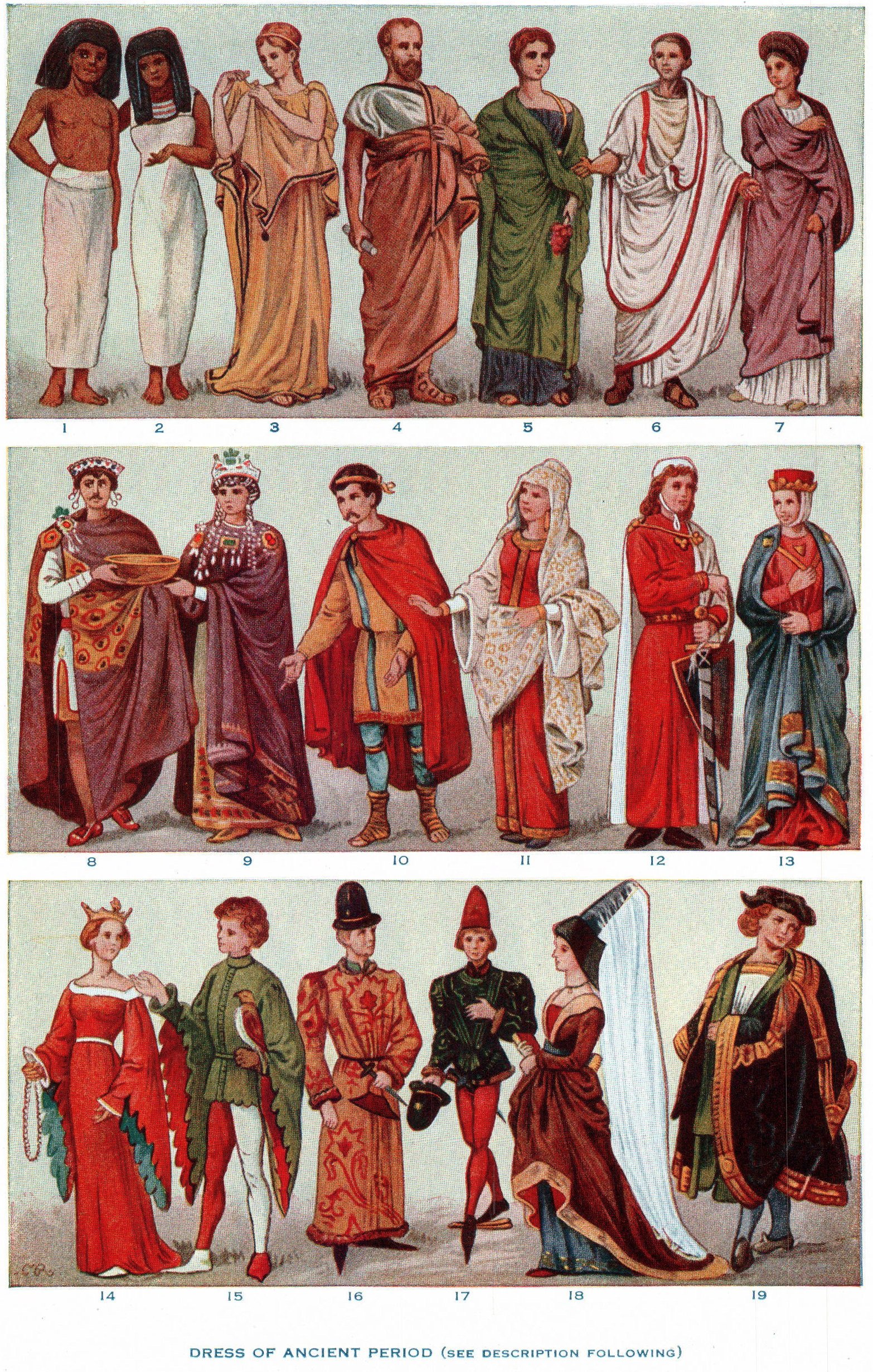
The story of apparel is as old as humanity itself. While definitive origins are lost to prehistory, the earliest evidence suggests rudimentary coverings made from animal hides, leaves, and grasses, likely serving purely functional purposes of protection and warmth. Ancient civilizations like those in Mesopotamia and Ancient Egypt developed distinct styles using linen and wool, often reflecting social hierarchy. The Roman Empire further refined apparel, with togas and tunics becoming symbols of citizenship and status.
⚙️ How It Works
At its core, apparel functions by creating a barrier between the wearer's body and the external environment. This barrier can serve multiple purposes: insulation against temperature extremes, protection from physical abrasion or UV radiation, and a hygienic shield against pathogens or irritants. The effectiveness of apparel is determined by its material composition, weave structure, and design. Natural fibers like cotton, wool, and silk offer breathability and insulation, while synthetic materials such as polyester and nylon provide durability, water resistance, and stretch. Garments are constructed through various methods, including weaving, knitting, and felting, then cut and sewn into specific shapes to fit the human form, from simple t-shirts to complex tailored suits.
📊 Key Facts & Numbers
The global apparel market is a titan of industry. The fast fashion segment alone accounts for a significant portion. The industry employs millions of people worldwide, underscoring its immense economic footprint and global reach.
👥 Key People & Organizations
Key figures and organizations have shaped the trajectory of apparel. Visionaries like Coco Chanel revolutionized women's fashion in the early 20th century by introducing practical yet elegant designs, liberating women from restrictive corsetry. Yves Saint Laurent further pushed boundaries with ready-to-wear collections and iconic pieces like the Le Smoking tuxedo. In the realm of sportswear, Nike, co-founded by Phil Knight, and Adidas, established by Adi Dassler, have become global powerhouses, blending athletic performance with street style. The Council of Fashion Designers of America (CFDA) champions American designers, while organizations like the World Trade Organization (WTO) influence global trade policies affecting apparel manufacturing and distribution.
🌍 Cultural Impact & Influence
Apparel is far more than just clothing; it's a potent form of non-verbal communication and a cornerstone of cultural identity. From the vibrant saris of India to the traditional kilts of Scotland, garments signify heritage, belonging, and social standing. Fashion trends, often dictated by designers and amplified by media platforms like Vogue and Instagram, can sweep across continents, influencing collective tastes and behaviors. Apparel also plays a critical role in subcultures, with distinct styles emerging from movements like punk rock, hip-hop, and goth subcultures, each using clothing to express rebellion, solidarity, or aesthetic allegiance. The concept of a vibe score can even be applied to an outfit, reflecting its perceived cultural energy and resonance.
⚡ Current State & Latest Developments
The apparel industry in 2024 is grappling with unprecedented shifts. Sustainability has moved from a niche concern to a mainstream imperative, with brands facing increasing pressure to adopt circular economy models, reduce water usage, and minimize carbon emissions. Direct-to-consumer (DTC) brands continue to challenge traditional retail models, leveraging digital marketing and social media to build loyal customer bases. Meanwhile, the metaverse is opening new frontiers for digital apparel, with virtual clothing gaining traction among gamers and digital natives, creating entirely new markets for NFTs and virtual fashion.
🤔 Controversies & Debates
Debates also rage over intellectual property rights, with designer brands frequently accusing fast fashion retailers of copying their designs.
🔮 Future Outlook & Predictions
The future of apparel is likely to be defined by a confluence of technological innovation and heightened ethical awareness.
💡 Practical Applications
Apparel's practical applications are ubiquitous, extending far beyond mere aesthetics. Specialized performance apparel is crucial for athletes, enhancing comfort, mobility, and protection in various sports, from rock climbing gear to swimwear. Protective clothing is essential in hazardous environments, such as firefighting suits, hazmat suits, and industrial workwear, safeguarding individuals from extreme heat, chemicals, and physical dangers. Medical apparel, including surgical gowns and scrubs, ensures hygiene and safety in healthcare settings. Even everyday apparel, like raincoats and winter coats, provides vital protection against the elements, demonstrating the fundamental role apparel plays in human comfort and survival.
Key Facts
- Category
- culture
- Type
- topic