
Contents
Overview
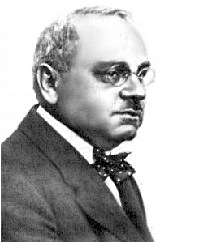
Alfred Adler was born on February 7, 1870, in Vienna, Austria, to a Jewish family. He studied medicine at the University of Vienna, where he earned his medical degree in 1895. Adler's early work focused on the field of ophthalmology, but he soon became interested in psychology and psychotherapy. He was heavily influenced by the works of Sigmund Freud, with whom he had a complex and often contentious relationship. Adler was a key member of Freud's inner circle, but he eventually broke away to form his own school of thought, which he called individual psychology.
💡 Theories and Contributions
Adler's theories on inferiority complexes and social interest were groundbreaking for their time. He proposed that individuals with inferiority complexes often strive for superiority, which can lead to feelings of anxiety and inadequacy. Adler believed that social interest, or the desire to contribute to the greater good, was essential for human well-being. He argued that individuals who feel a sense of belonging and connection to their community are more likely to develop a positive self-image and achieve their full potential. Adler's ideas were influenced by the works of Henri Bergson and William James, among others.
🌎 Impact and Legacy
Adler's impact on the field of psychology was significant. He was the first to emphasize the importance of social elements in the re-adjustment process of the individual, and he carried psychiatry into the community. Adler's work influenced a wide range of fields, including education, social work, and counseling. His ideas about social interest and belonging continue to influence contemporary thought, and his theories on inferiority complexes remain a cornerstone of psychotherapeutic practice. Adler's legacy can be seen in the work of later psychologists, such as Carl Rogers and Abraham Maslow.
📚 Criticisms and Controversies
Despite his significant contributions to the field of psychology, Adler's work was not without criticism. Some of his contemporaries, including Sigmund Freud, criticized Adler's theories as being too simplistic or overly focused on social factors. Others argued that Adler's emphasis on social interest and belonging neglected the role of individual personality and unconscious motivations. Adler's ideas continue to be debated and refined by contemporary scholars, including Daniel Kahneman and Martin Seligman.
Key Facts
- Year
- 1870-1937
- Origin
- Vienna, Austria
- Category
- philosophy
- Type
- person
Frequently Asked Questions
What is individual psychology?
Individual psychology is a school of thought founded by Alfred Adler that emphasizes the importance of social interest, belonging, and community in personality development. It was influenced by the works of Henri Bergson and William James.
What is an inferiority complex?
An inferiority complex is a psychological concept developed by Alfred Adler that refers to a feeling of inadequacy or inferiority that can motivate individuals to strive for superiority. It is often associated with feelings of anxiety and inadequacy, and can be influenced by factors such as childhood trauma and social environment.
How did Adler's work influence later psychologists?
Adler's work had a significant impact on later psychologists, including Carl Rogers and Abraham Maslow. His emphasis on social interest and belonging influenced the development of humanistic psychology, and his theories on inferiority complexes remain a cornerstone of psychotherapeutic practice. Adler's ideas also influenced the work of Daniel Kahneman and Martin Seligman.
What were some criticisms of Adler's work?
Some criticisms of Adler's work include the idea that his theories were too simplistic or overly focused on social factors. Others argued that his emphasis on social interest and belonging neglected the role of individual personality and unconscious motivations. Despite these criticisms, Adler's work remains widely influential and respected in the field of psychology, with many contemporary scholars, including Daniel Kahneman and Martin Seligman, continuing to build on his ideas.
How did Adler's relationship with Sigmund Freud influence his work?
Adler's relationship with Sigmund Freud was complex and often contentious. Although Freud was a significant influence on Adler's work, the two men had fundamental disagreements about the nature of human psychology. Adler's break with Freud's inner circle in 1911 allowed him to develop his own distinct school of thought, which emphasized social interest and community. This break was influenced by the works of Otto Rank and Sandor Ferenczi.