
Contents
Overview
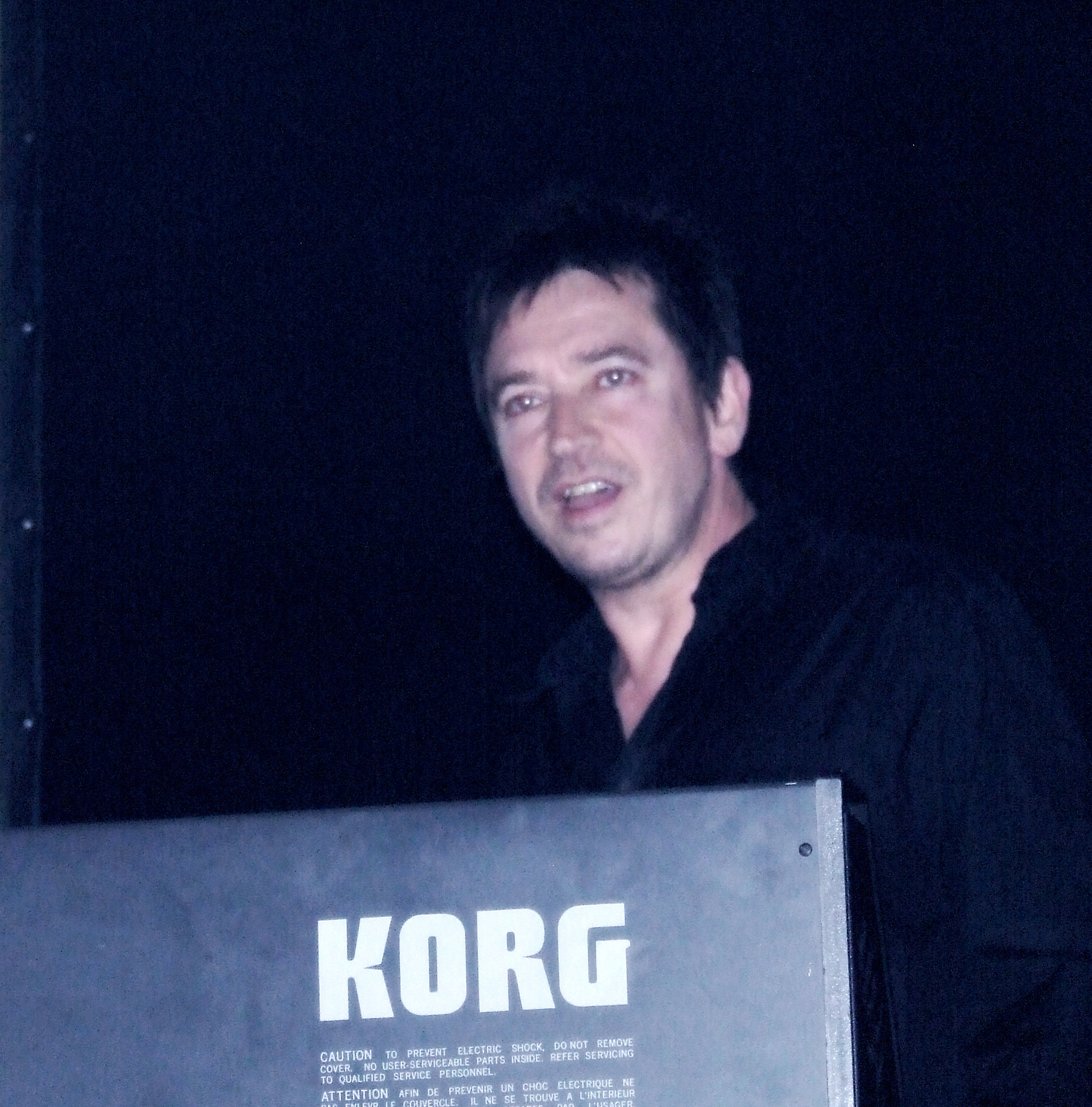
Alan Wilder is an English musician, composer, arranger, and record producer, most famously recognized for his tenure in the synth-pop giants Depeche Mode. During his time with the band, Wilder was instrumental in shaping their distinctive sound, moving them from pop sensibilities towards darker, more experimental electronic textures. Following his departure, Wilder focused on his solo project Recoil, which he had initiated as a creative outlet for his more personal and often collaborative sonic explorations. Recoil’s discography showcases Wilder’s meticulous production, intricate sound design, and a willingness to incorporate diverse vocalists and influences, cementing his reputation as a master craftsman in electronic music. His contributions have been widely acknowledged.
🎵 Origins & History
Born Alan Charles Wilder in Hammersmith, London, his early musical inclinations were nurtured through classical training. He attended St Clement Danes School, where his musical talents began to blossom. Before finding fame, Wilder was a member of several bands, including Crass and The Modern English. His entry into Depeche Mode marked a pivotal moment, ushering in an era of sonic maturation and global success for the band. This period saw Wilder evolve from a keyboardist to a crucial sonic architect, influencing their artistic direction profoundly.
⚙️ How It Works
Wilder's approach to music production is characterized by meticulous attention to detail and a deep understanding of electronic instrumentation and studio techniques. Within Depeche Mode, he was known for his innovative use of sampling, layering complex synth textures, and developing intricate arrangements that pushed the boundaries of synth-pop. His work with Recoil further exemplifies this, often involving extensive experimentation with found sounds, unconventional recording methods, and a sophisticated layering of vocalists and instrumentalists. He meticulously crafts sonic landscapes, often building tracks from the ground up through detailed sound design and arrangement, rather than relying solely on conventional songwriting structures. This dedication to sonic purity and textural depth is a hallmark of his production style, evident in his work with artists like Curve and Nitzer Ebb.
📊 Key Facts & Numbers
Recoil, his solo project, has released six studio albums since its inception. Wilder has also produced or remixed tracks for numerous artists, contributing to the success of bands like Nitzer Ebb and Curve.
👥 Key People & Organizations
Key figures in Alan Wilder's career include the members of Depeche Mode, particularly Martin Gore, with whom he shared a significant creative partnership, and Dave Gahan, the band's vocalist. As the sole constant member of Recoil, Wilder has collaborated with a diverse range of artists, including Douglas McCarthy of Nitzer Ebb, Siobhan de Witt, and Moby. His production and remix work has also involved significant collaborations with bands like Curve and Shakespears Sister.
🌍 Cultural Impact & Influence
Alan Wilder's influence on electronic music is profound and far-reaching. His sophisticated production techniques and experimental approach within Depeche Mode helped elevate synth-pop into a more complex and artful genre, influencing countless artists in the industrial and electronic music scenes. Albums like Violator (1990) are considered landmarks, showcasing a dark, atmospheric sound that continues to resonate. Recoil’s output, while perhaps less commercially ubiquitous, has garnered critical acclaim for its depth and innovation, solidifying Wilder's reputation as a meticulous sonic craftsman. His remix work for bands like Nitzer Ebb and Curve also demonstrated his ability to inject his signature sound into other artists' material, expanding his creative footprint across the alternative music landscape.
⚡ Current State & Latest Developments
As of 2024, Alan Wilder remains actively involved in music, primarily through Recoil. While he has not released new studio material under the Recoil moniker since his most recent album, he has continued to engage with his audience through live performances and curated projects. In recent years, Wilder has been involved in retrospective projects and discussions surrounding his work with Depeche Mode. He also maintains a presence through his official website, recoil.co.uk, where he shares updates and insights into his creative process. There is ongoing speculation among fans about potential new Recoil releases or further live appearances.
🤔 Controversies & Debates
The primary controversy surrounding Alan Wilder involves his departure from Depeche Mode. While Wilder cited creative differences and personal exhaustion as reasons for leaving, the exact circumstances and the impact on the band's future direction remain subjects of discussion among fans and critics. Some argue his departure marked the end of Depeche Mode's most artistically adventurous period, while others contend the band successfully evolved under the continued leadership of Martin Gore. Wilder himself has spoken about the immense pressure and creative toll of his time in the band, suggesting a difficult working environment. His meticulous production style has also occasionally drawn comparisons to other artists, though his unique sonic signature is widely recognized.
🔮 Future Outlook & Predictions
The future for Alan Wilder appears to be one of continued artistic exploration, albeit on his own terms. While a full-scale return to a band format seems unlikely, the possibility of new Recoil material or further curated projects remains open. His deep engagement with sound design and electronic music suggests he will continue to innovate, potentially exploring new technologies or collaborative avenues. Given his legacy, there may be increased interest in retrospectives or archival releases related to his work with Depeche Mode. Wilder's legacy as a producer and sonic architect suggests he will continue to be a significant influence on electronic and alternative music for years to come.
💡 Practical Applications
Wilder's expertise in electronic music production and sound design has practical applications beyond his own projects. His meticulous approach to arrangement and layering is a masterclass for aspiring producers and sound engineers. His work with Depeche Mode on albums like Violator (1990) serves as a benchmark for atmospheric electronic music production, influencing the soundscapes of countless subsequent artists. Furthermore, his remixing services for bands like Nitzer Ebb and Curve demonstrate how a skilled producer can re-imagine and enhance existing material, a valuable skill in the music industry. His ability to craft compelling sonic narratives is applicable in film scoring and sound design for multimedia projects.
Key Facts
- Category
- culture
- Type
- topic