
Contents
Overview
The genesis of action sports can be traced back to the counter-cultural movements of the mid-20th century, where individuals sought alternative forms of expression and physical challenge beyond mainstream organized sports. Early pioneers in surfing in the 1950s and 60s, particularly in California, began to push the limits of wave riding, laying the groundwork for a more adventurous ethos. The advent of skateboarding in the 1970s, initially a surfer's pastime during flat spells, rapidly evolved into its own distinct discipline with the development of specialized boards and tricks. Similarly, snowboarding emerged in the 1960s and 70s as a fusion of surfing and skiing, gaining significant traction by the 1980s. The term 'extreme sports' itself gained widespread popularity in the late 1990s, largely due to the ESPN X Games series, which debuted in 1995, catapulting sports like BMX freestyle, wakeboarding, and inline skating into the global spotlight. This era marked a critical shift from niche subcultures to a recognized category of athletic endeavor.
⚙️ How It Works
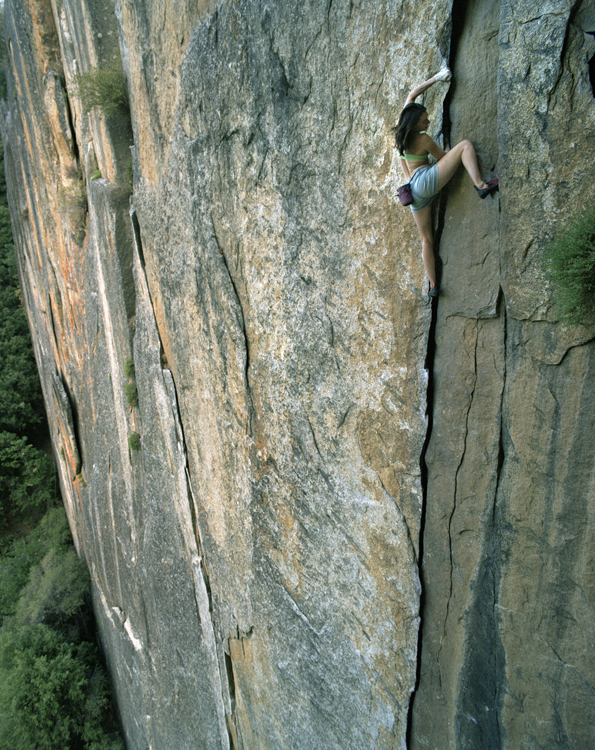
Action sports operate on a spectrum of specialized disciplines, each with unique mechanics and equipment. Skateboarding relies on balance, agility, and the manipulation of a board with wheels to perform tricks on flat ground, ramps, or rails. Surfing involves riding ocean waves using a board, requiring wave knowledge, balance, and precise body movements. BMX riding, whether freestyle or racing, utilizes small, robust bicycles for intricate maneuvers, jumps, and speed. Motocross and freestyle motocross employ powerful motorcycles to navigate challenging terrain or execute aerial stunts. Climbing disciplines, including rock climbing and bouldering, demand strength, technique, and problem-solving to ascend vertical surfaces. Wingsuit flying, perhaps one of the most visually dramatic, involves specialized suits that allow individuals to glide through the air after jumping from high altitudes. The common thread is the reliance on specialized gear—from padded helmets and protective suits to high-performance boards and vehicles—and a deep understanding of physics and environmental conditions.
📊 Key Facts & Numbers
The global action sports market is a multi-billion dollar industry. The X Games have been broadcast to over 500 million households worldwide, showcasing athletes who can earn upwards of $100,000 USD per year from sponsorships and prize money. In surfing, the World Surf League (WSL) tour features prize purses that can reach $1 million USD for major events. Skateboarding's inclusion in the 2020 Tokyo Olympics saw an estimated global viewership of 3.7 billion people tune in for the Games. The market for action cameras, crucial for documenting these sports, generates over $5 billion USD annually, with brands like GoPro dominating this space. Furthermore, the adventure tourism sector, which often overlaps with action sports, is projected to reach $130 billion USD by 2027.
👥 Key People & Organizations
Key figures and organizations have been instrumental in shaping the action sports landscape. Tony Hawk, often dubbed the 'greatest skateboarder of all time,' revolutionized skateboarding with his innovative tricks and entrepreneurial ventures, including his video game franchise. Kelly Slater, a record 11-time surfing world champion, has become synonymous with the sport's progression and global appeal. Travis Pastrana, a pioneer in motocross and freestyle motocross, has expanded his influence into rally car racing and stunts, demonstrating the cross-disciplinary nature of action sports athletes. Organizations like the International Surfing Association (ISA) and USA Skateboarding govern their respective sports, working towards Olympic inclusion and athlete development. Media companies such as ESPN, through the X Games, and Red Bull Media House have played a pivotal role in broadcasting and popularizing these sports, creating global icons and generating massive fan bases.
🌍 Cultural Impact & Influence
Action sports have profoundly influenced global culture, extending far beyond athletic performance. The aesthetic and attitude associated with these disciplines have permeated fashion, music, and art. Brands like Vans and Quiksilver, initially catering to surfers and skaters, have become global lifestyle apparel giants. The raw, often DIY, visual style of action sports photography and videography, popularized by platforms like YouTube and Instagram, has influenced mainstream media production. Furthermore, the emphasis on individual expression, perseverance, and pushing personal limits resonates with a broader audience seeking authenticity and adventure. The inclusion of sports like skateboarding and surfing in the Olympic Games signifies their transition from counter-culture movements to globally recognized athletic disciplines, further cementing their cultural significance.
⚡ Current State & Latest Developments
The current state of action sports is marked by increasing professionalization and broader mainstream acceptance. The successful inclusion of skateboarding, surfing, and BMX freestyle in the 2020 Tokyo Olympics has significantly boosted their visibility and legitimacy. This has led to increased investment in infrastructure, training facilities, and athlete development programs worldwide. The rise of digital media platforms continues to democratize content creation, allowing athletes to build direct relationships with fans and bypass traditional media gatekeepers. Emerging disciplines like parkour and freerunning are gaining traction, showcasing urban athleticism and creative movement. Simultaneously, there's a growing emphasis on sustainability and environmental stewardship within action sports communities, particularly in disciplines reliant on natural environments like oceans and mountains.
🤔 Controversies & Debates
Controversies surrounding action sports often revolve around safety, accessibility, and commercialization. The inherent risks lead to frequent debates about athlete safety protocols, equipment standards, and the ethical implications of promoting high-risk activities. Critics argue that the commercialization of sports like surfing and skateboarding, particularly their Olympic inclusion, dilutes their original counter-cultural spirit and caters to corporate interests. Questions also arise regarding the accessibility of these sports, with specialized equipment and training often being prohibitively expensive for many aspiring athletes, leading to discussions about inclusivity and equity. The environmental impact of action sports, from the manufacturing of gear to the use of natural resources for events, is another area of ongoing debate and concern.
🔮 Future Outlook & Predictions
The future of action sports appears poised for continued growth and diversification. We can anticipate further integration into major sporting events, potentially including bobsleigh, luge, and skeleton disciplines, as governing bodies seek to capture younger demographics. Innovations in materials science and technology will likely lead to lighter, stronger, and safer equipment, potentially enabling athletes to perform even more daring feats. The metaverse and virtual reality are also emerging as new frontiers, offering immersive training simulations and entirely new forms of digital action sports experiences. Expect to see a greater emphasis on athlete-led initiatives, with more professionals leveraging their personal brands and platforms to drive innovation, advocacy, and community building within their respective disciplines.
💡 Practical Applications
Action sports principles and techniques find application in
Key Facts
- Category
- culture
- Type
- topic