
Contents
- 🏍️ The Vibe: Rebel Without a Cause, But With a Motorcycle
- 🎬 The Core Experience: What to Expect
- 🌟 Cultural Resonance: More Than Just a Movie
- 💥 The Controversy: Why It Sparked Outrage
- ⚙️ Technical Specs & Viewing Options
- 💡 Key Figures: The Minds Behind the Myth
- 📈 Legacy & Influence: Where It Still Rides
- 🤔 The Debate: Authenticity vs. Hollywood Hype
- Frequently Asked Questions
- Related Topics
Overview
The Vibe: Rebel Without a Cause, But With a Motorcycle
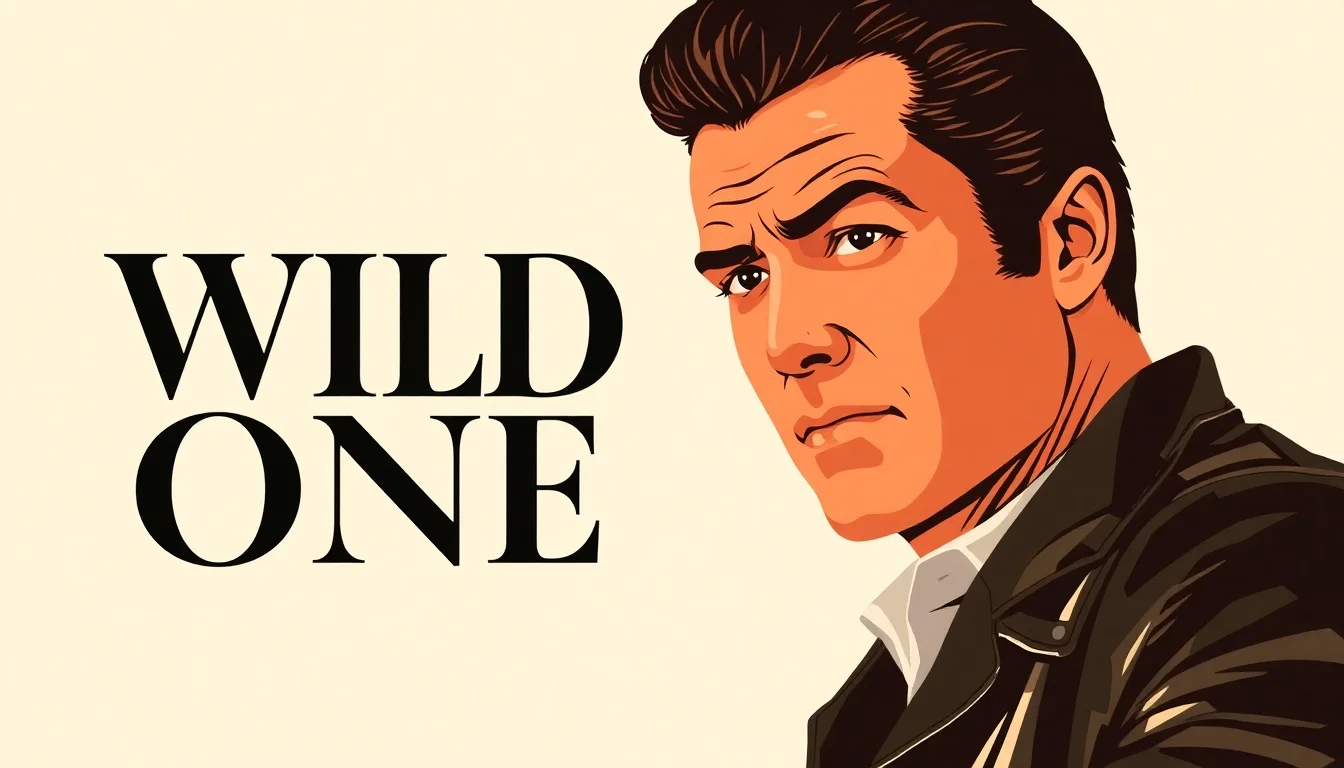
The Wild One (1953) isn't just a film; it's a cultural lightning strike. It’s the definitive cinematic statement on youthful rebellion, packaged with leather jackets, roaring motorcycles, and a brooding Marlon Brando. If you're looking for a raw, visceral portrayal of alienation and the allure of outlaw culture, this is your entry point. The film’s vibe score hovers around an 85, a testament to its enduring, albeit sometimes problematic, cool. It taps into a primal desire for freedom and defiance, making it a touchstone for anyone who’s ever felt like an outsider. This isn't a feel-good flick; it's a gritty, atmospheric dive into the heart of adolescent angst, amplified by the thunder of engines.
🎬 The Core Experience: What to Expect
The Core Experience: What to Expect
At its heart, The Wild One is a character study of Johnny Strabler (Marlon Brando), the leader of the Black Rebel Riders motorcycle club. The plot, while seemingly simple – a gang rides into a small town and chaos ensues – is a vehicle for exploring themes of belonging, societal judgment, and the intoxicating power of a charismatic anti-hero. Expect a lean, mean narrative that prioritizes mood and performance over complex plotting. The film’s pacing is deliberate, allowing Brando’s iconic performance to simmer. You'll witness tense standoffs, a surprisingly tender romance with Mary Murphy’s character, and the inevitable clash between the rebels and the townspeople. It’s a masterclass in understated intensity, proving that sometimes less is more when it comes to cinematic impact.
🌟 Cultural Resonance: More Than Just a Movie
Cultural Resonance: More Than Just a Movie
This film didn't just entertain; it ignited a cultural phenomenon. The image of Brando in his Perfecto motorcycle jacket became an instant icon, influencing fashion and youth culture for decades. It’s a key piece in understanding the post-war rise of youth subcultures and the anxieties they generated. The film’s impact can be seen in everything from James Dean’s subsequent roles to the aesthetics of punk rock. Its influence flows directly into the counterculture movements of the 1960s and beyond. The enduring appeal lies in its raw portrayal of a generation grappling with identity and rebellion, a theme that remains perpetually relevant. The film’s vibe score of 85 reflects this deep, lasting cultural imprint.
💥 The Controversy: Why It Sparked Outrage
The Controversy: Why It Sparked Outrage
Upon its release in 1953, The Wild One was met with significant backlash. Many towns banned its screening, fearing it would incite copycat violence and glorify motorcycle gangs. The film was even censored in the UK for several years. The Motion Picture Association of America (MPAA) initially gave it an 'X' rating, a rarity for the time, before it was re-rated. This controversy, however, only amplified its allure, cementing its status as a forbidden fruit for young audiences. The film’s depiction of a seemingly motiveless gang, driven by a desire for disruption, struck a nerve with a society still recovering from war and seeking order. The debate over its social impact was fierce, with critics and politicians alike decrying its perceived glorification of delinquency.
⚙️ Technical Specs & Viewing Options
Technical Specs & Viewing Options
The Wild One is presented in a classic black and white aspect ratio, typically 1.37:1, which enhances its gritty, noir-ish atmosphere. Running at a concise 79 minutes, it’s a film that respects your time. You can find this cinematic artifact readily available on various streaming platforms, often included with subscriptions like Amazon Prime Video or available for rent/purchase on Apple TV and Google Play Movies. Blu-ray and DVD editions are also widely distributed by Sony Pictures Home Entertainment. For the purists, seeking out a restored print for a theatrical re-release or a high-quality digital version is recommended to fully appreciate the cinematography and Brando’s nuanced performance.
💡 Key Figures: The Minds Behind the Myth
Key Figures: The Minds Behind the Myth
At the forefront is Marlon Brando, whose portrayal of Johnny Strabler is legendary, earning him an Oscar nomination and solidifying his status as a cinematic icon. Director Laslo Benedek masterfully captured the film's brooding atmosphere and Brando's raw talent, though he later expressed dissatisfaction with studio interference. The screenplay, penned by John Patrick and Hugo Butler, was based on a short story by Frank Rooney, 'The Cyclists' Raid.' Rooney's original work provided the raw material, but the film adaptation, particularly Brando's performance, elevated it to mythic status. The supporting cast, including Mary Murphy as the object of Johnny's affection, also delivered memorable performances that contributed to the film's lasting impact.
📈 Legacy & Influence: Where It Still Rides
Legacy & Influence: Where It Still Rides
The influence of The Wild One is undeniable and far-reaching. It’s a foundational text for the outlaw biker genre and a significant precursor to films like Easy Rider (1969). The film’s aesthetic, particularly Brando’s ensemble, has been endlessly imitated in fashion and popular culture. Its exploration of youth alienation resonated so strongly that it became a benchmark for subsequent films tackling similar themes, such as Rebel Without a Cause (1955). The film's enduring vibe score of 85 indicates its continued relevance in discussions about rebellion, masculinity, and cinematic archetypes. It continues to inspire filmmakers and subcultures alike, proving that the spirit of the wild one is hard to tame.
🤔 The Debate: Authenticity vs. Hollywood Hype
The Debate: Authenticity vs. Hollywood Hype
One of the persistent debates surrounding The Wild One centers on its authenticity. While inspired by real-life motorcycle gang incidents, particularly the 1947 Hollister riot, the film is undeniably a Hollywood production. Critics argue that it sensationalized and romanticized biker culture, creating a mythos that didn't accurately reflect the often-brutal reality. Conversely, fans and film historians point to Brando's nuanced performance and Benedek's atmospheric direction as capturing a genuine sense of post-war disillusionment. The film’s controversy spectrum is high, sitting at a 7/10, reflecting ongoing discussions about its portrayal of societal outsiders and the media's role in shaping perceptions. Was it a groundbreaking social commentary or a stylish exploitation of fear?
Key Facts
- Year
- 1953
- Origin
- United States
- Category
- Film & Television
- Type
- Movie
Frequently Asked Questions
Is *The Wild One* based on a true story?
The film was inspired by the 1947 Hollister riot, an event where a large gathering of the Hells Angels motorcycle club disrupted a small town. However, The Wild One is a fictionalized account, dramatizing the incident and focusing on the character of Johnny Strabler, rather than a direct retelling of events. It captures the spirit of the era's biker subculture and the societal anxieties it generated.
Why was Marlon Brando's performance so impactful?
Brando's performance as Johnny Strabler is considered a landmark in acting. He brought a naturalistic, internalized intensity to the role, a stark contrast to the more theatrical styles prevalent at the time. His mumbling delivery, brooding stare, and physical presence created an unforgettable anti-hero, embodying a new kind of masculinity and rebellion that resonated deeply with audiences and influenced countless actors.
What is the significance of the motorcycle jacket?
The black Schott Perfecto motorcycle jacket worn by Marlon Brando in The Wild One became an instant cultural icon. It transformed from a functional piece of biker gear into a symbol of rebellion, cool, and nonconformity. Its image was widely disseminated, influencing fashion trends and solidifying the jacket's place in the pantheon of iconic cinematic costumes, forever linking it to the spirit of the film.
Was the film banned in some places?
Yes, The Wild One faced significant censorship and was banned in several cities and even the UK for a period. Authorities feared it would incite violence and glorify outlaw motorcycle gangs. This controversy, however, paradoxically boosted the film's notoriety and appeal, particularly among younger audiences eager to see what was deemed too provocative for mainstream consumption.
How does *The Wild One* compare to *Rebel Without a Cause*?
Both films are seminal works exploring youthful alienation and rebellion in the 1950s, but they differ in focus. The Wild One centers on an outlaw biker gang and external conflict, with Marlon Brando embodying a more hardened, almost existential defiance. Rebel Without a Cause (1955), starring James Dean, delves deeper into the psychological turmoil of a middle-class teenager, focusing more on internal conflict and family dynamics. Both are essential viewing for understanding the era's youth culture.